

Airtel's Bizna Wallet has turned Kenya's small-business payments into a price war
Airtel Money has launched Bizna Wallet in Kenya, putting a direct rival beside Safaricom's Pochi La Biashara. The pitch is simple: let a small trader keep business money separate from personal funds without opening a full merchant till system.
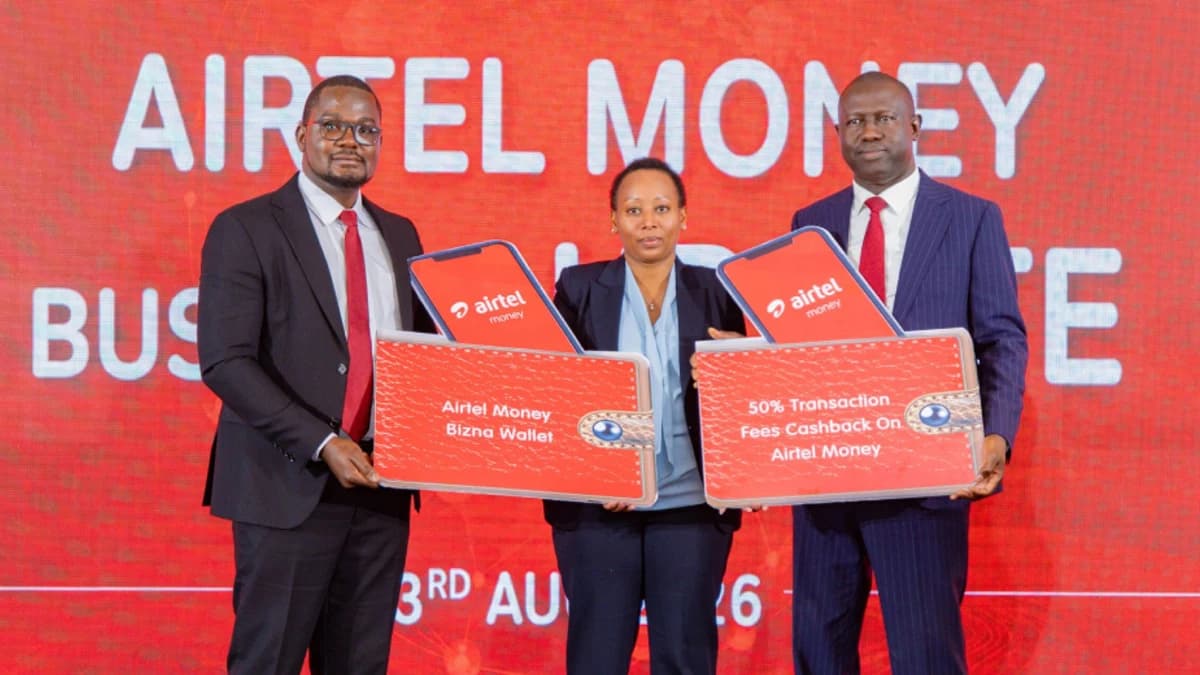
Airtel Money has launched Bizna Wallet in Kenya, putting a direct rival beside Safaricom's Pochi La Biashara.
The pitch is simple: let a small trader keep business money separate from personal funds without opening a full merchant till system.
The more interesting part is price.
Airtel is promoting free customer payments into Bizna Wallet, reversal protection and cashback incentives. Safaricom has simultaneously cut selected Pochi La Biashara customer charges, with payments of up to KSh 200 free and higher qualifying payments capped at KSh 50 during the current promotional period.
For years, mobile money competition in Kenya was discussed as market share. It is now being felt at the kiosk.
What you need to know
- Bizna Wallet targets informal and small businesses.
- It separates business receipts from personal Airtel Money funds.
- Airtel is using free merchant payments and cashback to acquire users.
- Safaricom has reduced selected Pochi La Biashara transaction charges.
- Pochi has a much larger existing merchant base and deeper integration.
- Price is only one part of the competition. Agent reach, liquidity, reliability and customer habit matter just as much.
Why this is bigger than a tariff change
A small merchant does not experience fintech as a market-share chart. They experience it as the amount missing after a customer pays.
If a fruit seller receives dozens of payments each day, small transaction fees accumulate into a meaningful monthly cost. That makes business wallets strategically important.
Pochi La Biashara helped Safaricom solve a common problem: small traders were receiving sales into the same wallet used for family transfers, airtime and personal payments. The records became messy.
Bizna Wallet attacks the same problem while promising a cheaper payment experience. Airtel does not need to beat M-Pesa everywhere. It needs to become useful enough that a merchant is willing to display another payment option.
Airtel's real challenge is habit
Kenya's mobile money market has enormous behavioural lock-in.
Customers already know how to send money to M-Pesa. Merchants already understand the menus. Agents are everywhere. Suppliers use it. Family members use it.
A lower fee does not automatically erase that network effect.
Airtel therefore needs to prove that customers can pay without confusion, agents have enough cash and float, reversals are predictable, statements are useful, the app and USSD experience remain reliable, support works when money goes missing and suppliers can receive funds easily.
Mobile money products are trusted because people believe the money will still be reachable during a stressful moment. That trust is earned one failed transaction at a time.
Why Safaricom responded
Safaricom's selected Pochi fee cuts show that competition is working.
Pochi remains a formidable product because it sits inside the broader M-Pesa ecosystem. A merchant can receive money, pay suppliers, access other financial products and move funds without learning an entirely new network.
But scale can make a market leader comfortable.
Airtel is attacking the part of the experience most users understand immediately: cost. Safaricom's KSh 50 promotional ceiling makes the response visible.
The question is what happens after the promotion ends. If the lower pricing produces more transactions and stronger merchant retention, temporary competition can become permanent economics.
The record-keeping battle may matter more
Both products sell separation between business and personal money.
That can improve a trader's understanding of cash flow. Better records may help with daily reconciliation, supplier planning, tax preparation, credit applications, fraud detection, stock decisions and household budgeting.
This is where the next competition should happen.
A small business does not only need a wallet. It needs a simple operating system for money.
The provider that turns transaction history into useful business information can create more value than the provider that merely makes payment cheap.
What merchants should compare
Do not choose based only on the headline fee.
Compare customer payment cost, merchant withdrawal cost, transfer cost, agent availability, reversal protection, statement quality, daily limits, cashback conditions, support, supplier acceptance and credit options.
A payment that costs zero but forces the merchant to pay more when moving the money elsewhere may not be free in practice.
Fintech pricing loves to hide in the second transaction.
The competition also sits inside a wider Kenyan fintech shift. See how Carrefour's prepaid card turns grocery money into a controlled digital budget.
The tecMAMBO take
Bizna Wallet is good news for Kenyan merchants even if they never open one.
Competition has already made Safaricom respond.
That is what a challenger is supposed to do.
The next phase should move beyond discounts toward better records, interoperable payments, useful credit and stronger merchant tools.
Kenya does not need another mobile money wallet that looks impressive in a press release. It needs small-business infrastructure that leaves more money with the business.
FAQ
What is Airtel Bizna Wallet?
It is an Airtel Money business wallet designed to separate merchant receipts from personal funds.
Is Bizna Wallet free for customers to pay?
Airtel is promoting free merchant payments, subject to its current terms and limits.
What changed with Pochi La Biashara fees?
Safaricom introduced lower promotional customer charges, including free payments up to KSh 200 and a KSh 50 ceiling on qualifying higher payments.
Is Bizna Wallet better than Pochi?
That depends on network reach, fees, agent liquidity, customer habits and the merchant's other financial needs.
Why does this matter?
Lower payment friction and better business records can directly improve the economics of small traders.
Sources
Share this story
Enjoyed this? Share it with someone who'd appreciate it.
Ask MAMBO
Have a plain-English question about this topic? Send it in and we may answer it in a future guide.
Ask a questionRelated reading
Vodacom's new Safaricom powers go far beyond owning more shares
Vodacom's reported 55 percent stake now comes with stronger board and executive influence over a company that carries Kenya's communications and money.

Safaricom's KSh 80.13 billion dividend is a victory for shareholders and a test for growth
The record payout shows renewed confidence after years of Ethiopia investment. It also raises the question of how much cash Safaricom should return versus reinvest.

Safaricom's new board appointments show what Vodacom's 55% control looks like in practice
Safaricom's appointment of two senior Vodacom executives is more than a routine board refresh. It shows how the telco's new majority ownership is beginning to shape governance.