

CATL and BYD want solid-state battery trials in 2027. Your next EV probably will not have one
CATL and BYD are both targeting 2027 for small-scale or trial production of all-solid-state batteries. BYD has also filed new patents related to solid-state cell design.
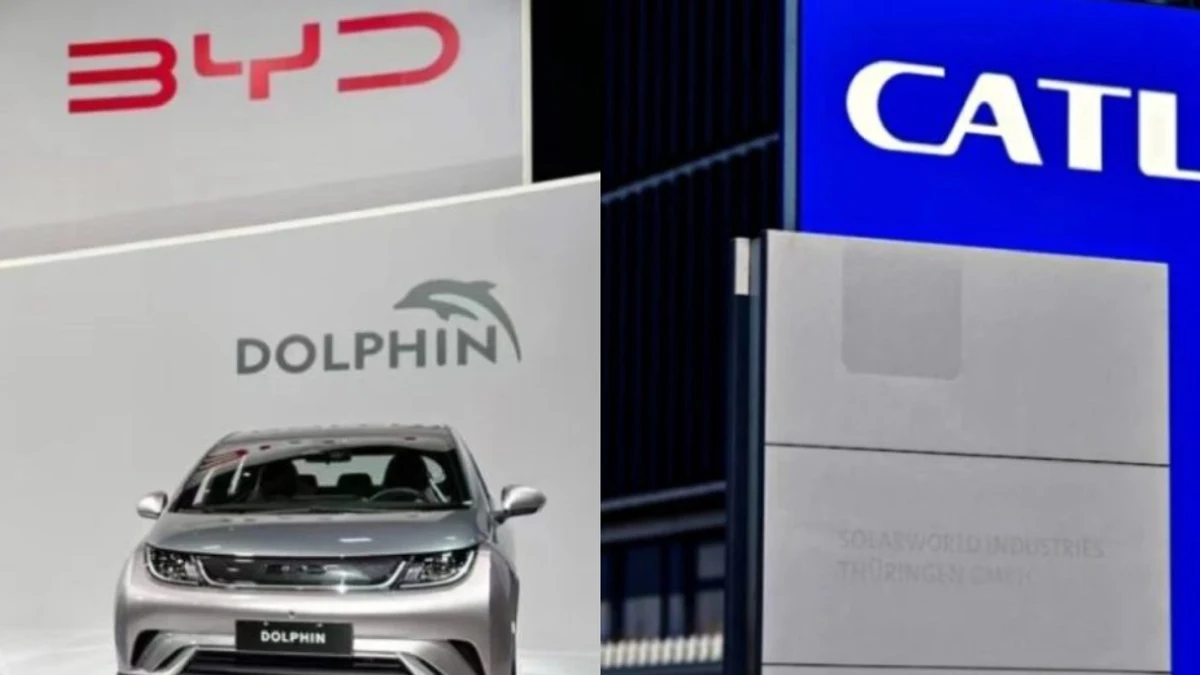
CATL and BYD are both targeting 2027 for small-scale or trial production of all-solid-state batteries.
BYD has also filed new patents related to solid-state cell design.
The announcements will generate predictable headlines about the end of conventional lithium-ion batteries.
That is premature.
Pilot production is where manufacturers discover whether a laboratory breakthrough can survive a factory.
Mass-market cars come later.
What you need to know
- CATL is targeting small-scale solid-state production in 2027.
- BYD has outlined a similar trial timeline.
- BYD has filed additional solid-state battery patents.
- Solid-state batteries promise higher energy density and safety potential.
- Manufacturing yield remains a major problem.
- Cost remains a major problem.
- Large-scale commercial adoption is expected later than trial production.
What makes a battery solid-state?
Conventional lithium-ion batteries use a liquid or gel electrolyte to move ions between electrodes.
A solid-state battery replaces that with a solid electrolyte.
Potential benefits include higher energy density, improved safety, smaller packs, faster charging and better temperature characteristics.
These are potential benefits.
The chemistry does not automatically deliver all of them at once.
Engineering is a collection of trade-offs.
Why solid electrolytes are difficult
A liquid naturally makes good contact with electrode surfaces.
A solid material does not.
As the battery charges and discharges, materials expand and contract.
Maintaining reliable interfaces becomes difficult.
Problems can include cracks, resistance, dendrites, manufacturing defects and pressure requirements.
A cell that performs beautifully in a laboratory sample may become difficult to manufacture at automotive scale.
The factory is where battery dreams encounter statistics.
What does trial production mean?
Trial production may involve pilot lines, small batches, demonstration vehicles and engineering fleets.
It lets manufacturers learn about yield, consistency, cycle life, safety, packaging and cost.
It does not mean consumers will walk into a dealership and choose solid-state on every model.
Production volume may remain tiny.
This distinction should appear in every headline.
Why CATL and BYD matter
CATL is the world's largest battery maker.
BYD is both a major battery producer and automaker.
If both companies converge on similar timelines, the technology has serious industrial momentum.
They also have strong incentives not to rush.
Their existing lithium iron phosphate and other lithium-ion products are commercially successful.
Solid-state needs to beat mature technology whose cost keeps improving.
The target is moving.
Conventional batteries are not standing still
While solid-state receives attention, existing batteries improve through silicon-rich anodes, better LFP, sodium-ion, cell-to-pack design, and thermal management.
An EV in 2030 may use an advanced conventional battery that performs better than today's solid-state prototype.
Technology transitions rarely wait politely for the new entrant.
What could arrive first
Solid-state batteries may appear first in premium vehicles, limited fleets, high-performance models, aviation and specialist applications.
These markets can absorb higher cost.
Mass-market adoption requires low defect rates, huge volume, affordable materials and long confidence.
A battery manufacturer cares less about a laboratory record than about producing millions of cells that behave almost identically.
Why this matters for African EV adoption
African markets should not wait for solid-state batteries.
Current EV technology already supports motorcycles, buses, delivery fleets and passenger cars.
Infrastructure, finance and service are larger barriers than battery chemistry.
Waiting for a future perfect battery can become an excuse for delaying practical electrification.
Use current technology where it works. Adopt future technology when it becomes economically real.
Africa's immediate opportunity remains current infrastructure, especially East African charging and battery-swap networks.
The tecMAMBO take
CATL and BYD targeting 2027 is important.
It means solid-state batteries are moving deeper into industrial testing.
It does not mean the battery revolution has arrived in showrooms.
The exciting milestone is not the first prototype car.
It will be the first solid-state battery that is cheap, durable and boring enough to manufacture by the million.
FAQ
Will CATL mass-produce solid-state batteries in 2027?
The current target is small-scale or trial production, not broad mass-market production.
Is BYD doing the same?
Yes, BYD has also described a 2027 small-batch or demonstration timeline.
What is the main benefit?
Potentially higher energy density and improved safety, depending on the chemistry and implementation.
What is the biggest problem?
Manufacturing cost, interface stability and production yield.
Should buyers wait for solid-state EVs?
Most buyers should evaluate current EVs based on today's needs rather than waiting for an uncertain future rollout.
Sources
Share this story
Enjoyed this? Share it with someone who'd appreciate it.
Ask MAMBO
Have a plain-English question about this topic? Send it in and we may answer it in a future guide.
Ask a questionRelated reading
China's BYD battery blogger dispute is becoming a test of who gets to challenge product claims
China's CAC named tech blogger Cai Shen Dao in an enforcement case over allegedly false product evaluations tied to BYD Blade Battery 2.0 testing.
BYD, Geely and Chery are now global top-10 automakers. China is no longer the challenger
BYD ranked sixth, Geely seventh and Chery tied for ninth in H1 2026 global automaker market share, showing China's rapid international expansion.
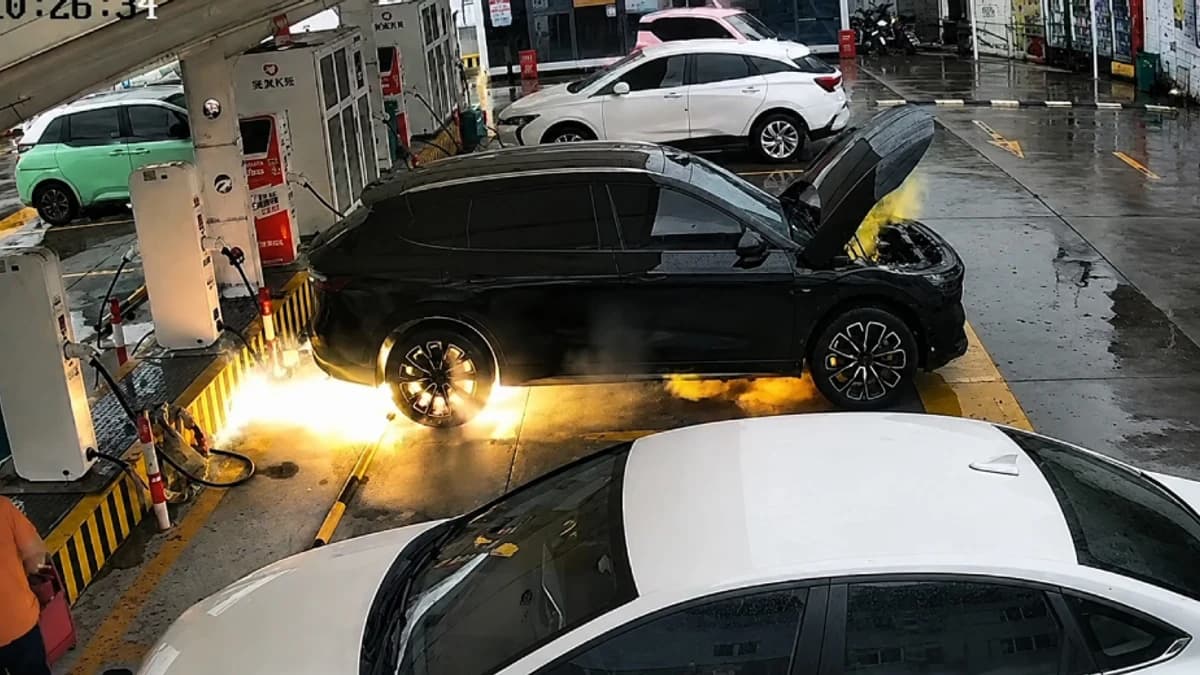
A Zeekr 7X caught fire near a charger. The earlier crash may matter more than the charger
Zeekr says a 7X involved in an August 9 Ningbo incident had previously suffered a severe collision. No injuries occurred and the cause is under investigation.