

China's BYD battery blogger dispute is becoming a test of who gets to challenge product claims
China's Cyberspace Administration has named the Bilibili account Cai Shen Dao in a national enforcement case involving what the regulator described as false product evaluations that harmed corporate product reputation. The dispute is connected to independent testing of BYD's second-generation Blade Battery.
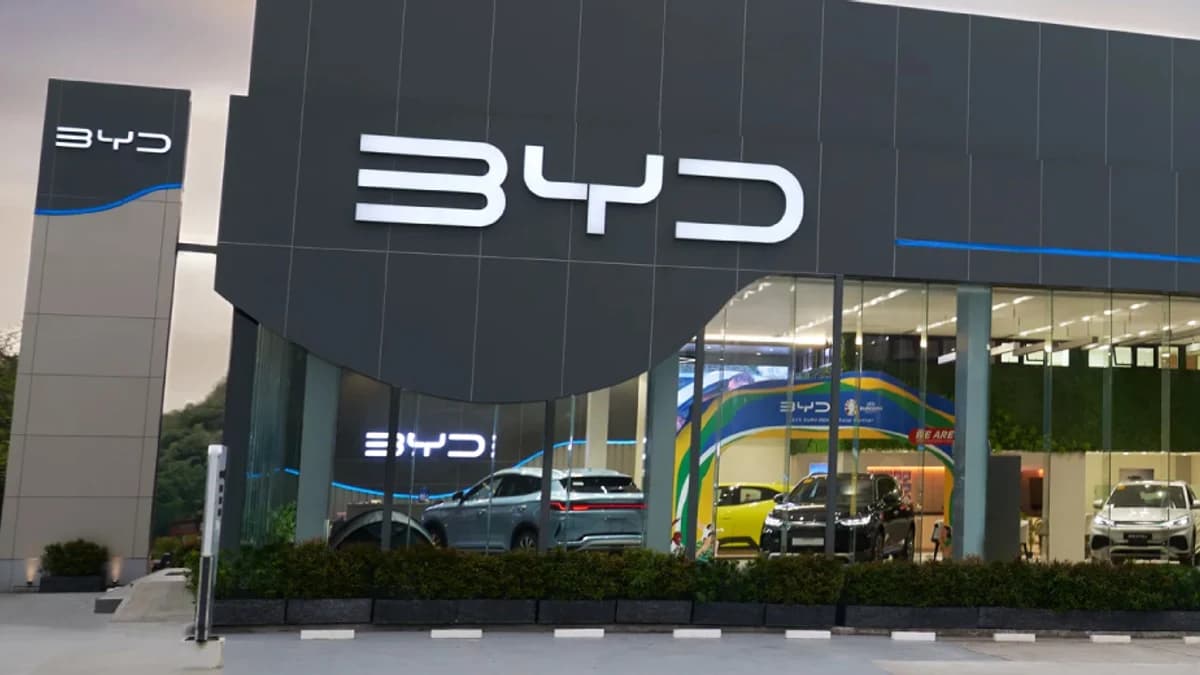
China's Cyberspace Administration has named the Bilibili account Cai Shen Dao in a national enforcement case involving what the regulator described as false product evaluations that harmed corporate product reputation.
The dispute is connected to independent testing of BYD's second-generation Blade Battery.
The regulator's allegation is not the same as an independent technical finding that the tests were false.
The blogger's claims are not automatically correct because they were independently performed.
That tension is the story.
Who gets to challenge a manufacturer's performance claims, and what standard of evidence should apply?
What you need to know
- China's CAC named the Cai Shen Dao account in an enforcement campaign.
- The regulator alleges false product evaluations.
- The controversy involves tests of BYD's Blade Battery 2.0.
- The blogger has published high-current charging and temperature testing.
- State-linked or certified laboratory involvement has also been reported.
- The dispute raises questions about methodology, speech and product-review accountability.
Why battery testing is difficult
Fast-charging claims depend on conditions.
A result can change with starting state of charge, temperature, charger power, battery version, cooling, software and measurement point.
A manufacturer may advertise a best-case charging time.
An independent tester may reproduce different conditions.
Neither result is useful without methodology.
Good technical criticism requires enough detail for another lab to repeat the test.
Why independent testing matters
Product reviewers exist because manufacturers control launch conditions.
Official demonstrations use prepared devices, controlled temperature, optimal software and ideal chargers.
Independent testing introduces normal variability.
It can expose heat, reduced performance, inconsistent charging, battery degradation and software limits.
That scrutiny protects consumers.
It also creates responsibility.
A reviewer with millions of followers can damage a product's reputation through a flawed test.
Independence should mean freedom from manufacturer control. It should not mean freedom from technical standards.
Why regulator involvement changes the stakes
A platform dispute can be debated publicly.
State enforcement changes the power balance.
If regulators aggressively punish negative product evaluation, reviewers may avoid difficult testing.
That can create a chilling effect.
If regulators ignore deliberately manipulated evaluations, companies can be targeted by misinformation.
The correct standard should focus on methodology, disclosure, repeatability, evidence and intent.
A regulator should not become a corporate reputation department.
A reviewer should not turn scientific language into a shield for weak methodology.
BYD has a lot at stake
Blade Battery is central to BYD's safety and performance branding.
Second-generation technology is tied to faster charging and improved energy density.
Claims around charging speed are commercially valuable.
Consumers compare minutes.
Infrastructure partners invest around peak power.
A challenge to those claims affects more than internet reputation.
It affects a technology narrative BYD uses globally.
That makes transparent testing even more important.
The laboratory question
Reports indicate the blogger later used a state-linked laboratory for further evaluation.
Laboratory involvement does not automatically settle the dispute.
Important questions remain: What protocol was used? Was the battery production hardware? Were instruments calibrated? What temperature was measured? Was BYD invited to respond? Can results be reproduced?
Science improves when methods are visible.
Authority labels do not replace methods.
What reviewers should learn
Technical creators should publish equipment, environment, sample source, , charging curve, temperature points, limitations and raw data where possible.
Creators should separate observation from conclusion.
"Temperature reached X" is different from "the product is unsafe."
The second claim requires a safety standard and context.
Good reviewing is measurement plus disciplined interpretation.
What manufacturers should learn
Companies should make performance claims easy to reproduce.
Publish test conditions, cell temperature, ambient temperature, charger capability, state-of-charge range and software version.
A claim that exists only under hidden laboratory conditions is marketing, not engineering communication.
The best response to independent testing is more data.
The testing dispute matters even more as BYD and CATL move solid-state batteries toward 2027 trial production.
The tecMAMBO take
The BYD dispute should not be reduced to blogger versus company.
It is a test of the information system around modern technology.
Manufacturers make increasingly technical claims. Creators test them. Regulators police false information.
All three can abuse their power.
The consumer benefits when methodology is stronger than reputation.
FAQ
Who is Cai Shen Dao?
It is a Chinese technology-review account on Bilibili associated with independent battery testing.
What did the CAC allege?
The regulator described the account's work as involving false product evaluations that damaged corporate reputation.
Is the blogger proven wrong?
The regulatory accusation does not by itself provide a complete independent technical adjudication of every test result.
What battery is involved?
BYD's second-generation Blade Battery.
Why does this matter globally?
It affects how independent reviewers, manufacturers and regulators negotiate technical truth in a major EV market.
Sources
Share this story
Enjoyed this? Share it with someone who'd appreciate it.
Ask MAMBO
Have a plain-English question about this topic? Send it in and we may answer it in a future guide.
Ask a questionRelated reading
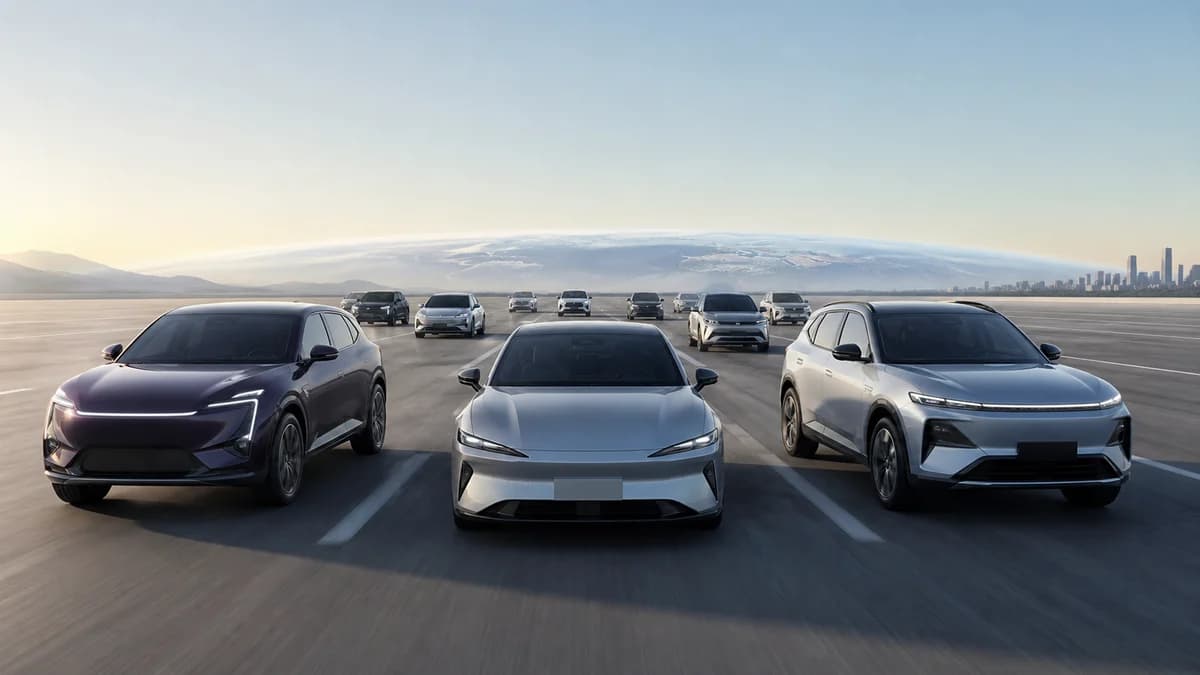
BYD, Geely and Chery are now global top-10 automakers. China is no longer the challenger
BYD ranked sixth, Geely seventh and Chery tied for ninth in H1 2026 global automaker market share, showing China's rapid international expansion.
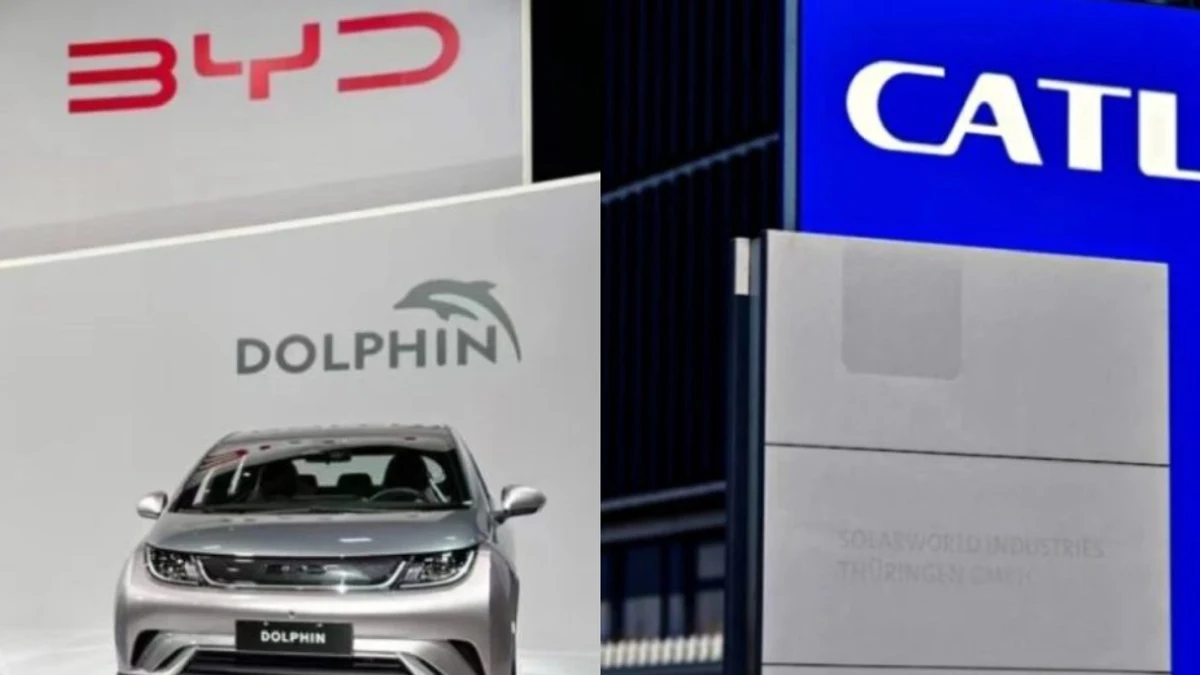
CATL and BYD want solid-state battery trials in 2027. Your next EV probably will not have one
CATL and BYD are targeting small-scale solid-state battery production in 2027, but cost, yield and durability still separate trials from mass-market EVs.
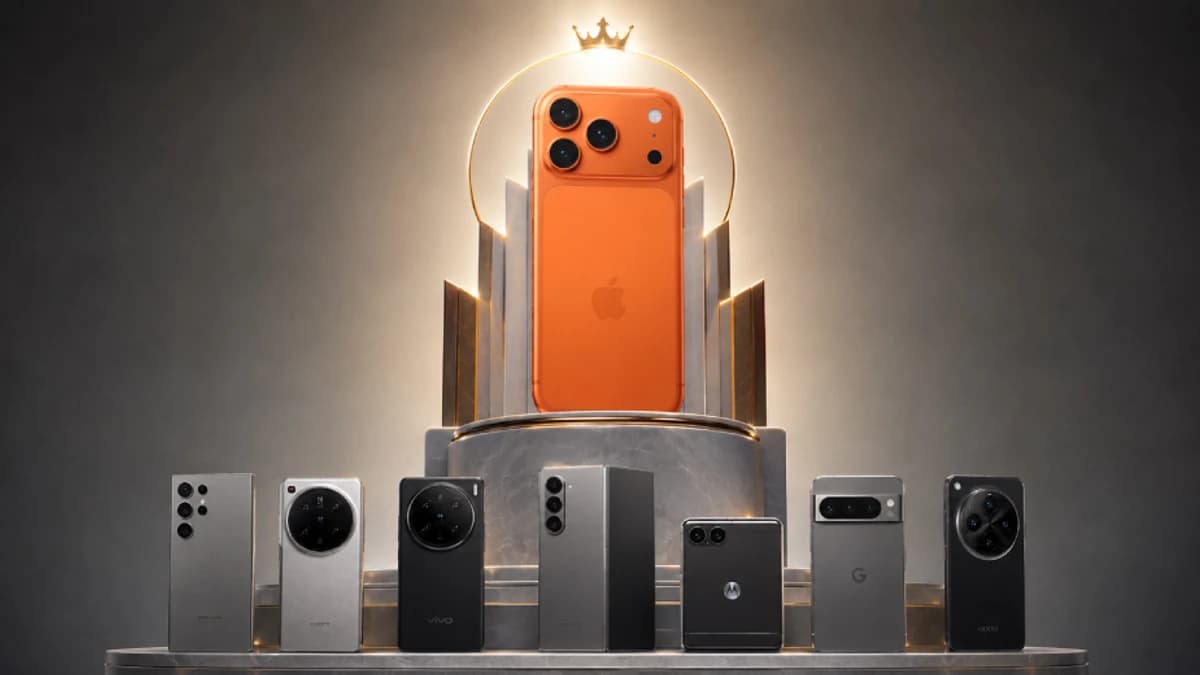
Apple owns 65 percent of the premium phone market, but the number hides a changing battlefield
Counterpoint says Apple captured 65 percent of premium smartphone sales in H1 2026 as the premium segment reached a record 29 percent of the market.