
Europe is turning interoperability from a principle into an engineering requirement
EU regulators are using the Digital Markets Act to turn interoperability into specific technical obligations across Android, iOS and Windows ecosystems.

The European Union's Digital Markets Act is moving into a more technical phase.
The argument is no longer simply that large platforms should be more open.
Regulators are increasingly specifying what that openness must look like in software.
In July 2026, the European Commission adopted binding specification measures for Google under the DMA.
One measure focuses on giving rival AI services access to Android features that Google's own services can use.
Another addresses access to anonymised search data for competing search engines.
Apple and Microsoft are dealing with their own interoperability obligations and request processes under the same broader framework.
This is not one simultaneous audit in which all three companies were handed the same checklist.
It is something more consequential.
Europe is turning competition law into product requirements.
Google's Android obligation is especially important for AI
AI assistants want access to the operating system.
They need context and actions.
If Google's own Gemini services can interact deeply with Android while a rival assistant is limited to a chat window, the competitive advantage is built into the platform.
The Commission's July specification measures are intended to address that kind of imbalance.
The principle is that third-party AI providers should have effective access to certain Android capabilities when Google makes comparable functionality available to its own services.
That can shape the race directly.
The best assistant may depend partly on which operating-system hooks it is allowed to use.
Apple has already been forced to document interoperability pathways
Apple has faced intense DMA scrutiny around iOS interoperability.
The Commission has previously specified how the company should provide access to certain hardware and software features for connected devices.
Apple also maintains a process through which developers can request additional interoperability.
The volume of those requests demonstrates the real problem.
Modern operating systems contain hundreds of capabilities that can become competitive bottlenecks:
- Notifications
- Background execution
- Device pairing
- Data transfer
- Default apps
- Hardware access
- Messaging features
Opening one does not automatically make an ecosystem competitive.
Microsoft is part of the broader interoperability picture too
Microsoft has a different relationship with the DMA because Windows and its services occupy different designated categories.
It still participates in interoperability processes where obligations apply.
The Commission's 2026 review material describes interoperability solutions and requests across several gatekeepers, including Microsoft.
The important point is not that every company faces the same rule.
The point is that the EU expects gatekeepers to show their work.
A platform cannot simply say, "We support interoperability."
It increasingly needs to document the mechanism.
Default choices are part of the same competition logic
The DMA also targets defaults and user choice.
A default search engine, browser or service can become dominant because most users never change it.
Choice screens and easier default switching are therefore competition tools.
Critics argue that these screens can create friction without meaningfully changing behaviour.
Supporters argue that the alternative is allowing the platform owner to decide the market through default placement.
The effectiveness should be measured through actual switching and competition, not simply whether a screen exists.
Interoperability can improve products and weaken security if done badly
Opening system capabilities creates opportunity for competitors.
It also increases the number of applications interacting with sensitive data and hardware.
The engineering challenge is therefore not "open everything."
It is controlled access with:
- Permission boundaries
- User consent
- Security review
- Privacy protection
- Clear documentation
A regulation that forces an operating system to expose a sensitive capability without an adequate permission model can create new risk.
A platform should not be allowed to use security as a blanket excuse for keeping every capability proprietary either.
That balance is where much of the DMA's future will be fought.
Why African developers should care
The rules are European.
The technical changes can become global.
Large platforms often avoid maintaining radically different architectures for every region.
A capability opened because of an EU obligation may eventually become available to developers elsewhere.
That can affect African startups building:
- Assistants
- Search tools
- Messaging products
- Wearables
- Device-management software
- Accessibility products
European competition policy can therefore shape developer opportunities far outside Europe.
The tecMAMBO take
The most interesting thing about the DMA in 2026 is that it is becoming less philosophical.
"Be interoperable" is easy to say.
The real fight begins when regulators ask which API, which data, which permission and which response time.
That is where competition law becomes software architecture.
Google, Apple and Microsoft will continue arguing that some requested access creates security, privacy or engineering problems.
Some of those objections will be legitimate.
Others will protect strategic advantages.
Europe's difficult job is telling the difference.
FAQ
What does interoperability mean under the DMA?
It means third parties can request access to certain operating-system hardware and software features available to the gatekeeper's own products.
Does this apply to Apple?
Yes, iOS and related services face DMA obligations.
Does it affect Google?
Yes. EU proceedings also address Android and Google data-access obligations.
Will features launch worldwide?
Not necessarily. Companies can limit regulatory features to the EU.
Is security a real concern?
Yes. The policy challenge is creating fair access without creating unsafe access.
Sources
Share this story
Enjoyed this? Share it with someone who'd appreciate it.
Ask MAMBO
Have a plain-English question about this topic? Send it in and we may answer it in a future guide.
Ask a questionRelated reading
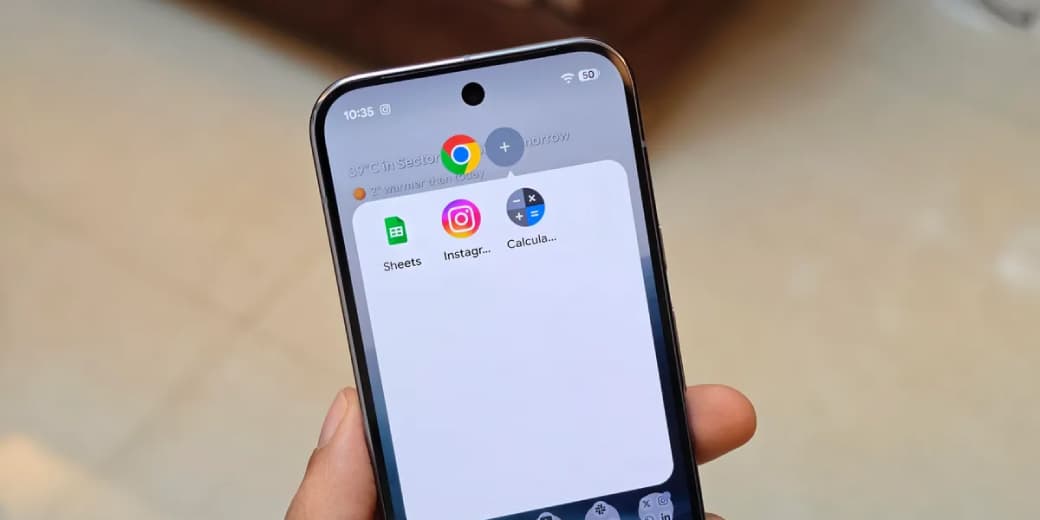
Android 17 app Bubbles show why Google still understands multitasking better than Apple
Android 17 lets Pixel users turn almost any app into a movable floating window. It is a small interface change with large implications for phones, tablets and foldables.
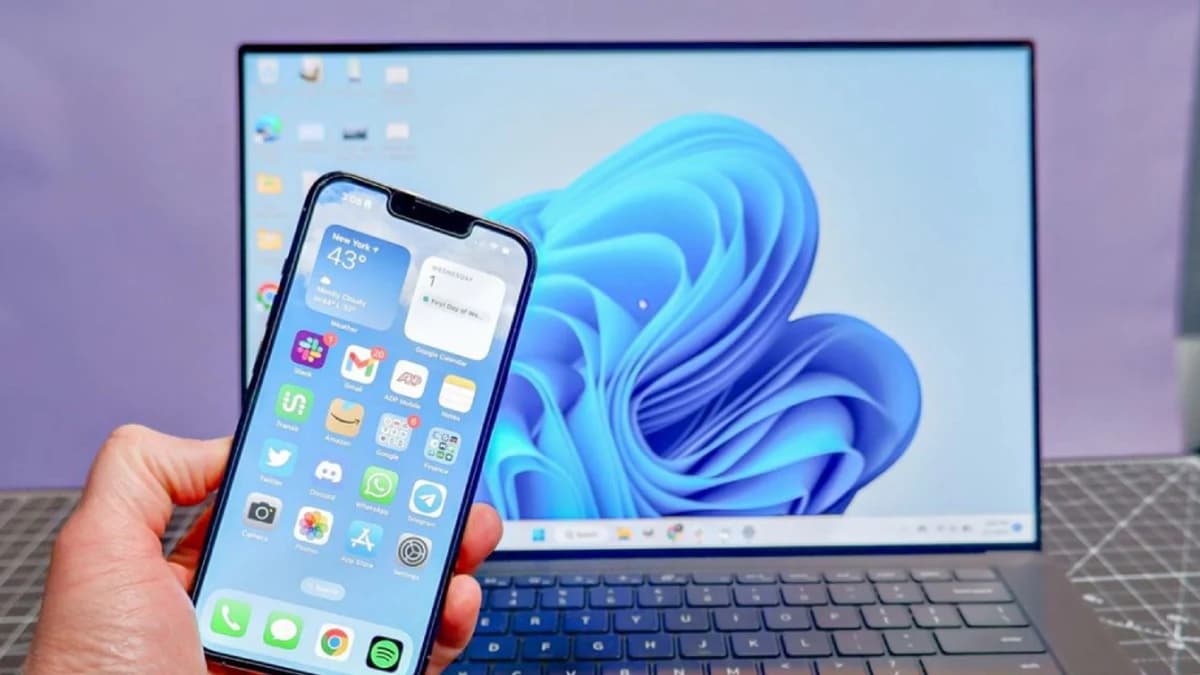
No, iPhone-to-Windows clipboard sync has not launched yet. Here is what actually changed
Apple is developing native iPhone-to-Windows clipboard sharing after a Microsoft EU interoperability request, but release may not arrive until 2027 or 2028.
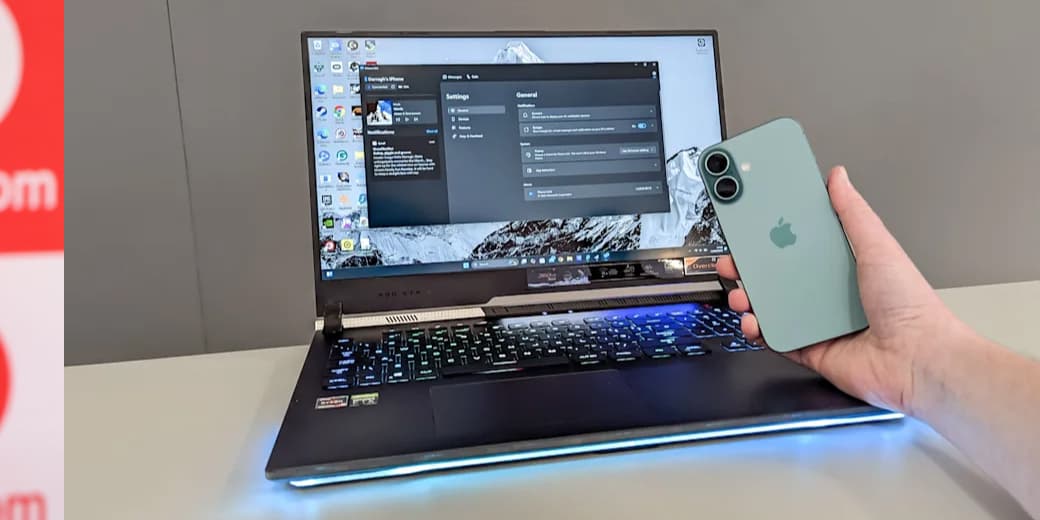
iPhone and Windows may finally share a clipboard, because the EU forced the conversation
The feature would bring Universal Clipboard-style sharing to Windows, but privacy and background synchronisation make the project more complex than it sounds.