
No, iPhone-to-Windows clipboard sync has not launched yet. Here is what actually changed
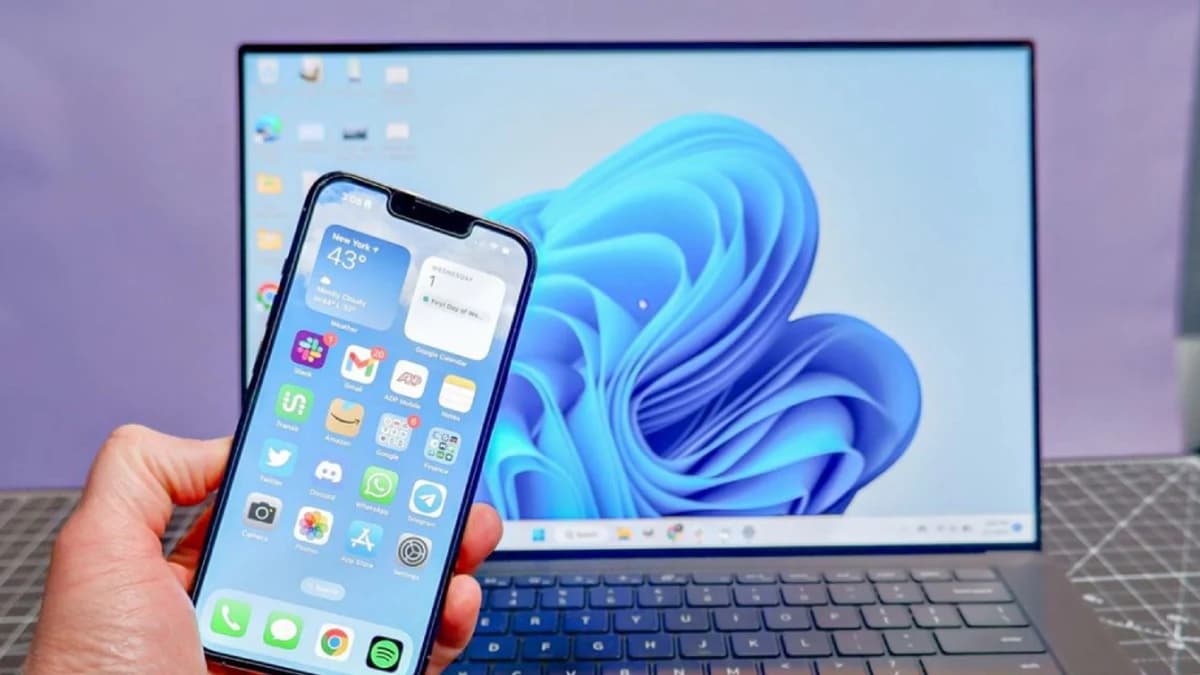
Reports around Apple and Microsoft's European interoperability work have created an easy misunderstanding. Native iPhone-to-Windows cross-device clipboard sync has not already rolled out.
Reports around Apple and Microsoft's European interoperability work have created an easy misunderstanding.
Native iPhone-to-Windows cross-device clipboard sync has not already rolled out.
Microsoft requested the capability through Apple's Digital Markets Act interoperability process.
Apple is working on the feature.
The engineering schedule extends into 2027, with public availability potentially reaching users later.
That makes this a future interoperability story, not a current Windows feature announcement.
What you need to know
- Microsoft requested native clipboard interoperability.
- Apple accepted the request into its EU process.
- The feature is under development.
- Engineering is expected around fall 2027.
- Public release could arrive later, potentially in early 2028.
- Initial availability may be EU-specific.
- Security is complicated because clipboards can contain sensitive data.
What Microsoft wants
Windows users with iPhones currently live between ecosystems.
Microsoft's Phone Link provides selected integration.
It does not provide Apple's Universal Clipboard experience.
Microsoft wants users to be able to copy on one device and paste on the other without opening a separate app.
This sounds trivial because Apple already does it between iPhone and Mac.
The missing ingredient is trust across platforms.
Why clipboard access is sensitive
People copy passwords, account numbers, verification codes, addresses, private messages, images and work documents.
A background service capable of reading the clipboard can access extremely sensitive information.
Apple tightened clipboard privacy after applications were caught reading it unnecessarily.
A Windows sync system therefore needs a privileged but controlled pathway.
That requires trusted device pairing, encryption, user consent, background access rules, expiry, enterprise controls and revocation.
The feature is small.
The permission is not.
Why the EU matters
Apple already had the technical capability to sync clipboards across its own products.
It had no strong commercial reason to extend the same experience to Windows.
A smoother Windows experience can make Mac less necessary.
The Digital Markets Act changes that incentive.
Microsoft can request access to system capabilities available to Apple's own ecosystem.
Apple still designs the implementation.
It cannot dismiss the request simply because cross-platform friction benefits Apple.
Why 2027 feels slow
Apple describes the work as significant engineering.
Critics will point out that Universal Clipboard has existed for years.
Both perspectives can be valid.
The hard part is not moving text between two computers.
The hard part is creating a secure third-party system privilege that can be reused without opening iOS to clipboard abuse.
Apple also has little incentive to finish early.
Security urgency and commercial urgency are not the same thing.
What the feature should look like
A responsible implementation should provide explicit opt-in, device approval, , clipboard expiry, the ability to disable image syncing, sensitive-app exclusions, enterprise management and visible connection status.
Users should never need to wonder which PC receives copied information.
A convenience feature should not create invisible data movement.
Will it come outside Europe?
Unknown.
Apple sometimes keeps DMA-specific features regional.
It sometimes expands changes globally when maintaining separate behaviour becomes inefficient.
A clipboard system could eventually become global.
Users in Kenya should not assume that.
The launch may begin as a European compliance feature.
What exists today
Users who need cross-platform clipboard workflows can use cloud notes, messaging to self, Microsoft tools and third-party sync applications.
These methods require more deliberate action.
That can be annoying.
It can also create a useful security boundary.
Native sync will remove friction.
It must replace that friction with clear control.
The clipboard project is one example of Europe turning interoperability into a product requirement.
The tecMAMBO take
The most important correction is the simplest:
The feature is not here.
What changed is that Apple has committed to engineering a path because Microsoft used Europe's interoperability rules.
That is still significant.
A small clipboard feature reveals a large shift in platform power.
The computer you buy from one company is slowly gaining the right to cooperate with the phone you bought from another.
FAQ
Can I copy on iPhone and paste natively on Windows today?
Not through the planned Apple-Microsoft native interoperability system.
When could it launch?
Engineering is expected around fall 2027, with public release potentially later.
Why does it take so long?
Background clipboard access creates privacy, encryption and permission challenges.
Is the EU forcing Apple?
The feature stems from Microsoft's request under the EU Digital Markets Act interoperability framework.
Will Kenya get it?
Global availability has not been confirmed.
Sources
Share this story
Enjoyed this? Share it with someone who'd appreciate it.
Ask MAMBO
Have a plain-English question about this topic? Send it in and we may answer it in a future guide.
Ask a questionRelated reading
iPhone and Windows may finally share a clipboard, because the EU forced the conversation
The feature would bring Universal Clipboard-style sharing to Windows, but privacy and background synchronisation make the project more complex than it sounds.
Apple's PlasmaSolve acquisition is about the invisible engineering that makes hardware last
The deal strengthens Apple's ability to simulate coatings and manufacturing processes before committing to expensive production runs.
Gemini finally has a real Windows app, and Google didn't leave Windows 10 users behind
Google released a native Gemini desktop app for Windows 10 and Windows 11 on September 10, 2026.