
iPhone and Windows may finally share a clipboard, because the EU forced the conversation
The feature would bring Universal Clipboard-style sharing to Windows, but privacy and background synchronisation make the project more complex than it sounds.
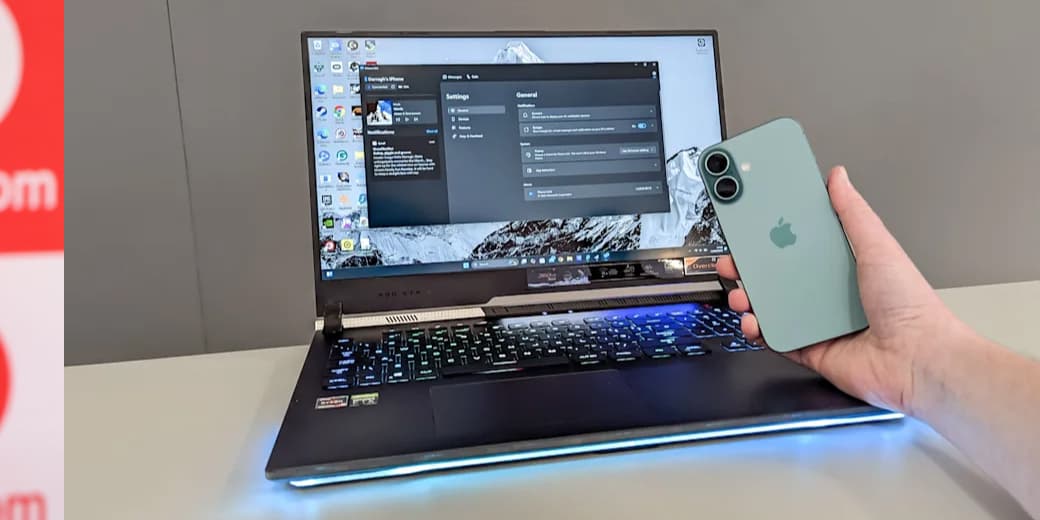
Apple is working on cross-device copy and paste between iPhones and Windows PCs.
Microsoft requested the capability through Apple's European Union interoperability process under the Digital Markets Act.
Apple began evaluating the request and proposed a development plan in 2026.
The company says the engineering could take until fall 2027, with public availability potentially slipping into early 2028.
That timeline sounds absurd for a feature Macs have enjoyed for years.
The reveals the real issue.
A clipboard can contain passwords, identity documents, private messages, images and corporate data.
What you need to know
- Microsoft requested iPhone-to-Windows clipboard sharing.
- The request uses Apple's EU interoperability framework.
- Apple plans technical development and testing before release.
- Engineering may complete around fall 2027.
- Public release could arrive in early 2028.
- The feature may initially be limited to EU users.
- Clipboard privacy and background access are major challenges.
Cross-device clipboard work sits within a larger Windows hardware transition. See how NVIDIA's RTX Spark wants to reinvent the Windows PC.
Why this does not exist already
Apple supports Universal Clipboard between its own devices.
A user can copy text or an image on an iPhone and paste it on a nearby Mac when both use the same Apple account and meet security conditions.
Windows cannot access the same system.
Third-party apps face restrictions on reading the iPhone clipboard in the background.
Apple designed those limits to prevent silent clipboard surveillance.
Microsoft wants a trusted mechanism that synchronises content between iOS and Windows.
That requires Apple to create a new permission and security architecture.
The company is being asked to open a system feature without opening the clipboard to every application.
Why Microsoft wants it
Millions of iPhone owners use Windows PCs.
They cannot access the seamless features available to Mac users.
Microsoft has improved iPhone integration through Phone Link, messaging and notifications.
Clipboard sharing would remove a common daily friction.
Users could:
- Copy a link on iPhone
- Paste a code on a PC
- Move text between devices
- Transfer small images
- Continue work without emailing themselves
The feature also helps Microsoft make Windows more attractive to iPhone users who do not want a Mac.
Interoperability is competitive strategy disguised as convenience.
Why clipboard access is sensitive
Applications have historically abused clipboard access.
Copied content may include:
- Passwords
- Banking details
- Medical information
- Addresses
- Private messages
- Security tokens
- Photos
Apple introduced permission prompts and restrictions to reduce silent reading.
A Windows synchronisation service needs background awareness to know when content changes.
Apple must determine:
- Which PC is trusted?
- Which app can read the clipboard?
- How long is content stored?
- Is it encrypted end to end?
- Can companies disable it?
- Does sensitive content sync?
- How is access revoked?
A weak implementation would turn convenience into a data-leak feature.
Why the EU is involved
The Digital Markets Act requires large platform companies to provide certain forms of interoperability.
Apple created a process through which developers can request integration.
Microsoft used that process.
The EU's role matters because Apple has little commercial incentive to make Windows feel more like a Mac.
Regulation changes the calculation.
Apple can still design the technical solution, but it cannot dismiss the request simply because ecosystem friction helps Mac sales.
This is one of the DMA's most tangible consumer effects.
It turns interoperability from a favour into an obligation that must be considered.
Will it remain EU-only?
Possibly.
Apple has implemented some DMA-related changes only inside the European Union.
It has expanded other changes globally when maintaining regional differences made little sense.
Clipboard sharing may begin in the EU because that is where the legal requirement exists.
Apple could later offer it worldwide for simplicity.
A regional clipboard would be strange but not unprecedented.
Technology companies have become remarkably comfortable giving geography a settings menu.
Why could it take so long?
Apple calls the project a substantial engineering effort.
The work may involve:
- New iOS frameworks
- Encryption
- Windows software
- Identity
- Permissions
- Enterprise controls
- Device discovery
- Offline behaviour
- Clipboard formats
- Abuse prevention
The sceptical view is that Apple has already solved the feature inside its own ecosystem and may be moving slowly because interoperability reduces competitive advantage.
Both explanations can be true.
The security problem is real.
The incentive to hurry is not.
What the final feature should include
A responsible implementation should offer:
- Explicit opt-in
- Trusted-device approval
- Sensitive-content controls
- Automatic expiry
- Visible connection status
- Easy disable
- Enterprise policies
- No hidden long-term history
Users should also be able to exclude password managers and private apps.
A clipboard does not need to remember everything.
Its value comes from being temporary.
What it means for African users
The EU may create a feature that later benefits users worldwide.
That pattern is becoming common.
European regulation influences app stores, data portability, messaging, browsers, repair and charging standards.
African regulators may lack the same market leverage.
They can still benefit when companies decide one interoperable product is easier than regional fragmentation.
Kenyan iPhone and Windows users should not assume access at launch.
The feature may remain geographically limited.
The tecMAMBO take
iPhone-to-Windows clipboard sharing is overdue.
Apple's security concerns are legitimate, but ecosystem inconvenience has also been profitable.
The EU forced Microsoft and Apple to turn a consumer annoyance into an engineering project.
The result may arrive in 2028, which is a heroic amount of time for moving copied text.
Still, the principle matters.
Devices people own should cooperate even when the logos do not.
FAQ
When will it launch?
Apple expects engineering work around fall 2027, so public release may arrive in late 2027 or early 2028.
Will it work outside the EU?
That is not confirmed. It may launch first or only in the EU.
Why can Mac already do it?
Apple controls the iPhone, Mac, account and Universal Clipboard inside one ecosystem.
Is clipboard syncing safe?
It can be safe with encryption, device approval and strong permissions.
Did Microsoft request the feature?
Yes. Microsoft used Apple's EU interoperability process.
Sources
Share this story
Enjoyed this? Share it with someone who'd appreciate it.
Ask MAMBO
Have a plain-English question about this topic? Send it in and we may answer it in a future guide.
Ask a questionRelated reading
No, iPhone-to-Windows clipboard sync has not launched yet. Here is what actually changed
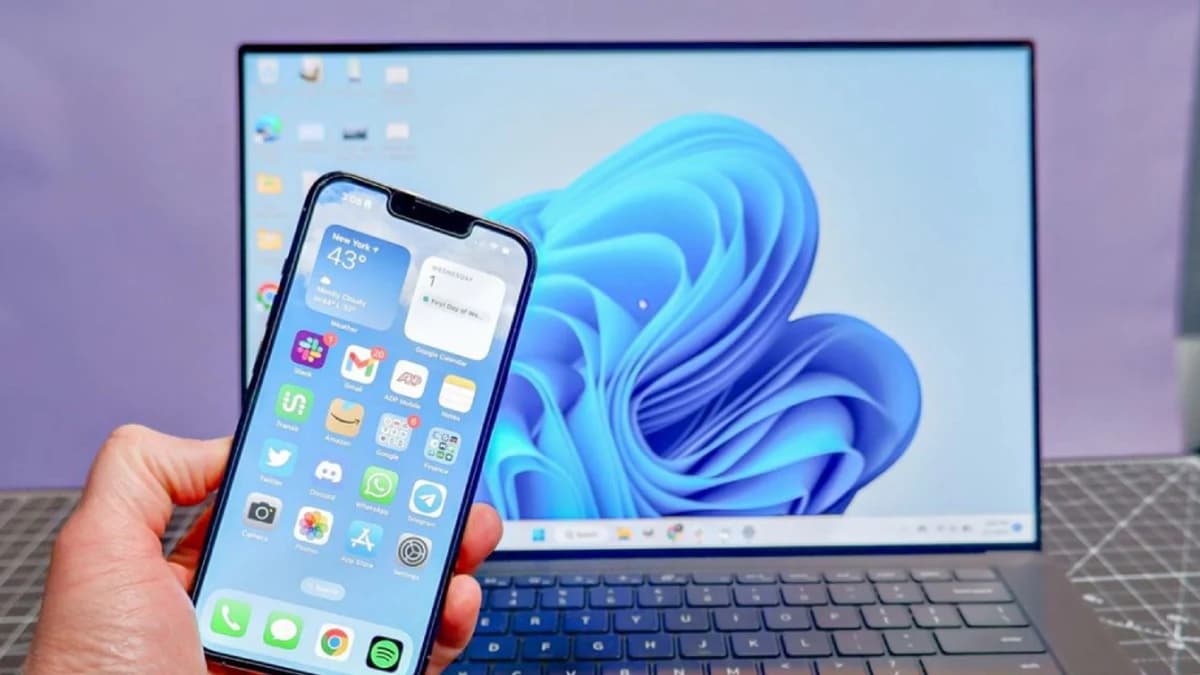
Apple is developing native iPhone-to-Windows clipboard sharing after a Microsoft EU interoperability request, but release may not arrive until 2027 or 2028.
Copilot can now tell you why your PC is slow
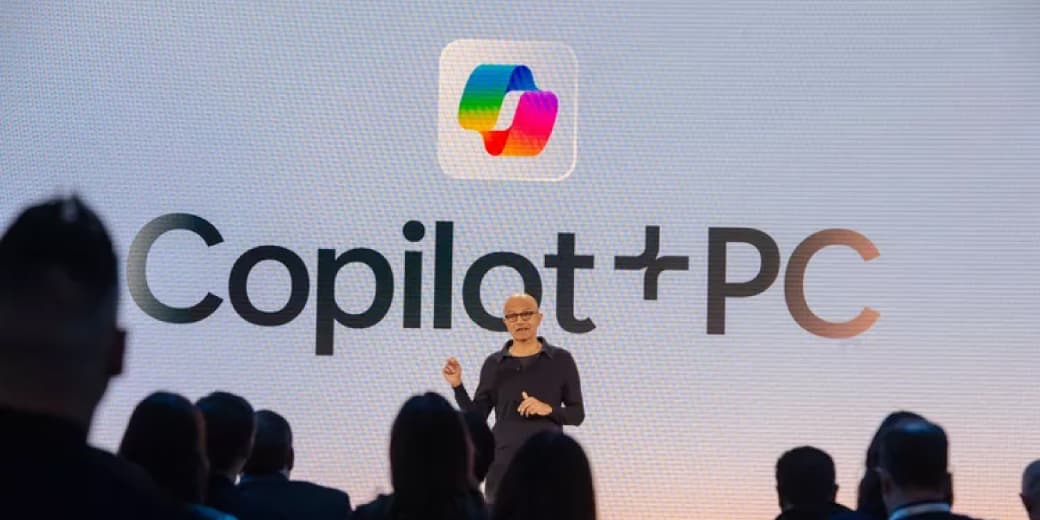
Microsoft is testing PC Insights for Copilot, a plain-English way to ask why your laptop feels slow, whether your storage is full, or why your battery is fading.
Microsoft just patched a record 570 flaws. Update now
Microsoft's July 2026 Patch Tuesday fixed a record 570 flaws, including two already being used in attacks. The boring advice is now urgent: update quickly.