

Smart #2 is returning to the tiny-car idea that made Smart interesting
China's vehicle regulator has published filings for the upcoming Smart #2. The two-seat electric car measures roughly 2.75 metres long, uses a 60 kW rear motor and receives lithium iron phosphate cells supplied by CATL with pack assembly linked to Geely.
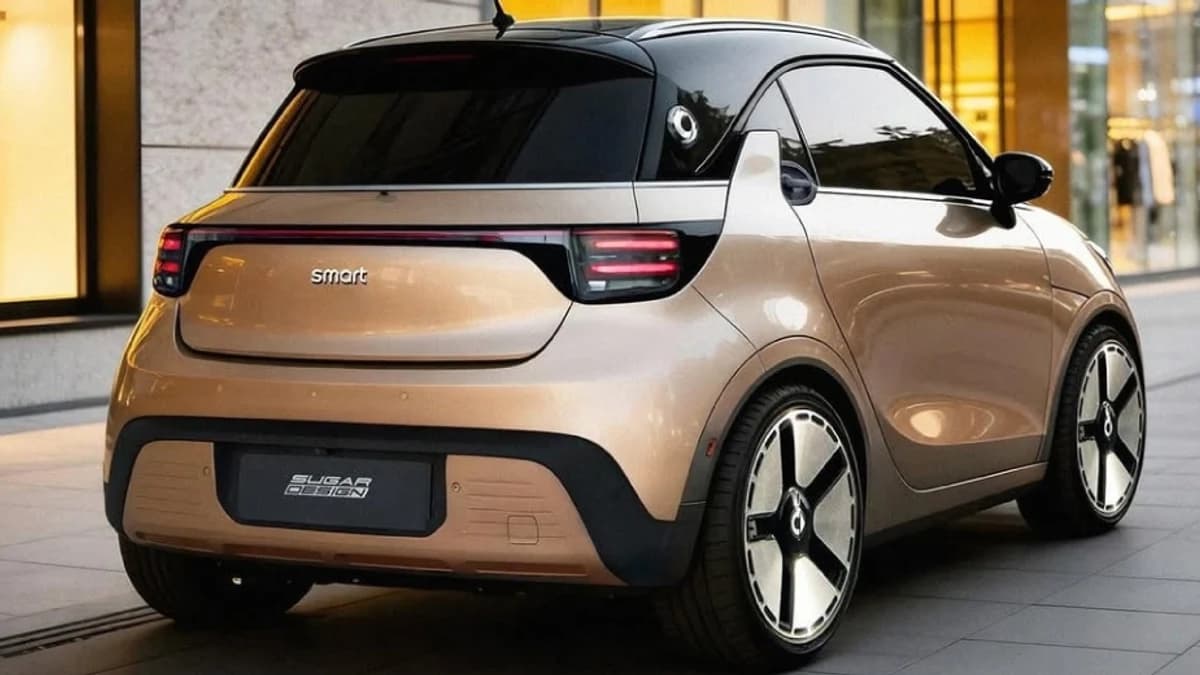
China's vehicle regulator has published filings for the upcoming Smart #2.
The two-seat electric car measures roughly 2.75 metres long, uses a 60 kW rear motor and receives lithium iron phosphate cells supplied by CATL with pack assembly linked to Geely.
The final range figure remains subject to official market specifications.
The important news is not horsepower.
Smart is returning to the idea that originally made the brand distinct.
A city car should be genuinely small.
What you need to know
- The Smart #2 is roughly 2.75 to 2.76 metres long depending on variant.
- It is a two-seater.
- The filing lists a 60 kW motor.
- CATL supplies LFP cells.
- Geely and Mercedes-Benz jointly operate the Smart brand.
- A final market range figure should be checked at launch.
Why modern cars became huge
Safety, batteries, customer preferences and platform economics pushed vehicles larger.
Even small cars grew.
Manufacturers discovered they could charge more for crossovers.
The result is absurd in dense cities.
One person commutes inside a vehicle that occupies a large rectangle of road and parking space.
Smart originally challenged that assumption.
The #2 returns to it.
2.75 metres changes the experience
A tiny car can park in shorter spaces, turn easily, use less material, weigh less, fit narrow streets and reduce urban footprint.
The trade-offs are obvious.
There is less luggage, crash structure, battery room and passenger capacity.
A microcar is not a universal vehicle.
That is the point.
Cities do not need every car to be universal.
Why electric power suits a microcar
Electric motors are compact.
They deliver useful torque at low speed.
City driving does not require huge highway range.
A small battery can therefore provide adequate urban use while keeping weight under control.
LFP chemistry is suitable because it offers strong cycle life, thermal stability and lower material cost.
The car does not need a giant pack to justify itself.
Its mission is short-distance mobility.
The Smart brand lost its original clarity
Recent Smart models became larger premium electric crossovers.
They may be competent vehicles.
They also compete in a crowded category.
The original Fortwo was unmistakable.
People understood the purpose immediately.
The #2 gives Smart a chance to regain that identity.
Brand strategy works better when a product has a reason to exist beyond styling.
Will people accept two seats?
Many trips carry one person.
The average car is still designed around the occasional moment when five seats might be useful.
A two-seat vehicle requires the owner to accept specialisation.
It works best as an urban second car, shared fleet vehicle, rental, delivery support or commuter.
It works badly for families needing one car to do everything.
The economics therefore depend on cities where parking and space are expensive enough to reward smallness.
Could this work in African cities?
Dense African cities have a strong need for efficient mobility.
The obstacles include purchase price, charging, road conditions, parts, financing, parking enforcement and import tax.
A tiny premium EV may not solve mass mobility.
The design principle still matters.
African cities need vehicles sized for actual journeys.
That may include electric two-wheelers, three-wheelers, minibuses and compact cars.
Copying the SUV-heavy structure of richer countries would be a poor use of limited road space.
The smallest EVs make more sense when transport is sized to the journey, a principle also visible in why electric motorbikes matter more than flashy launches.
The tecMAMBO take
The Smart #2 is interesting because it refuses the industry's assumption that every new car must become bigger.
A small electric city car is not revolutionary technology.
It is disciplined product design.
In a world of increasingly enormous vehicles, making less car may be the more ambitious choice.
FAQ
How long is the Smart #2?
Chinese regulatory filings list roughly 2.75 to 2.76 metres depending on variant.
How many seats does it have?
Two.
How powerful is the motor?
The filing lists 60 kW.
What battery chemistry does it use?
The filing identifies LFP cells supplied by CATL.
Is 300 km WLTP confirmed?
A final market range should be taken from Smart's official homologated launch specifications.
Sources
Share this story
Enjoyed this? Share it with someone who'd appreciate it.
Ask MAMBO
Have a plain-English question about this topic? Send it in and we may answer it in a future guide.
Ask a questionRelated reading
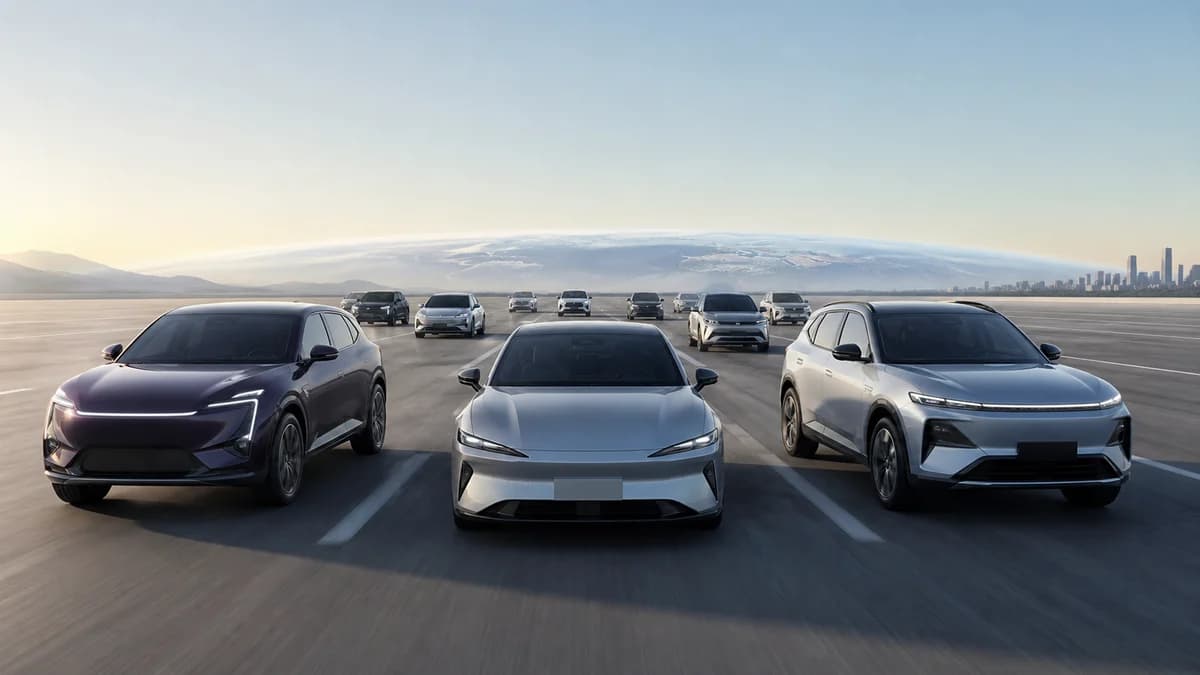
BYD, Geely and Chery are now global top-10 automakers. China is no longer the challenger
BYD ranked sixth, Geely seventh and Chery tied for ninth in H1 2026 global automaker market share, showing China's rapid international expansion.
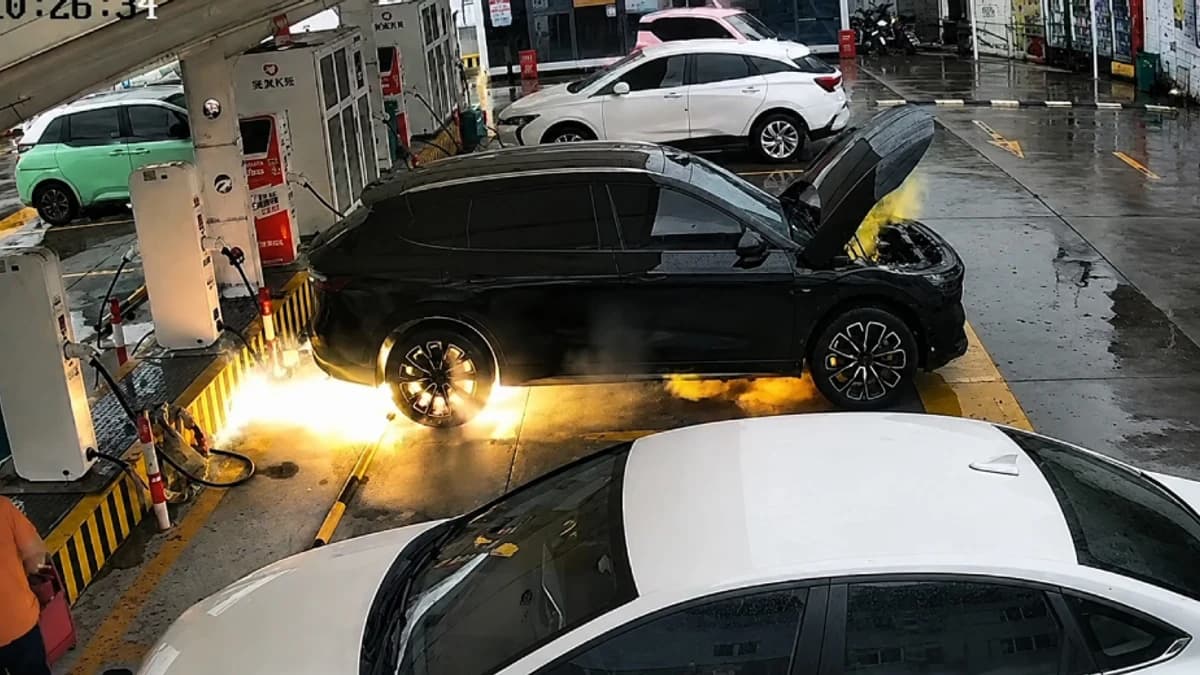
A Zeekr 7X caught fire near a charger. The earlier crash may matter more than the charger
Zeekr says a 7X involved in an August 9 Ningbo incident had previously suffered a severe collision. No injuries occurred and the cause is under investigation.
China's BYD battery blogger dispute is becoming a test of who gets to challenge product claims
China's CAC named tech blogger Cai Shen Dao in an enforcement case over allegedly false product evaluations tied to BYD Blade Battery 2.0 testing.