

Pixel 11's leaked Proactive Assistance wants to understand your screen before you ask
Google appears to be preparing a Pixel 11 feature called Proactive Assistance. An Android Authority teardown of the Google app found onboarding material describing a system that can use context from the phone to provide help before the user manually explains everything.
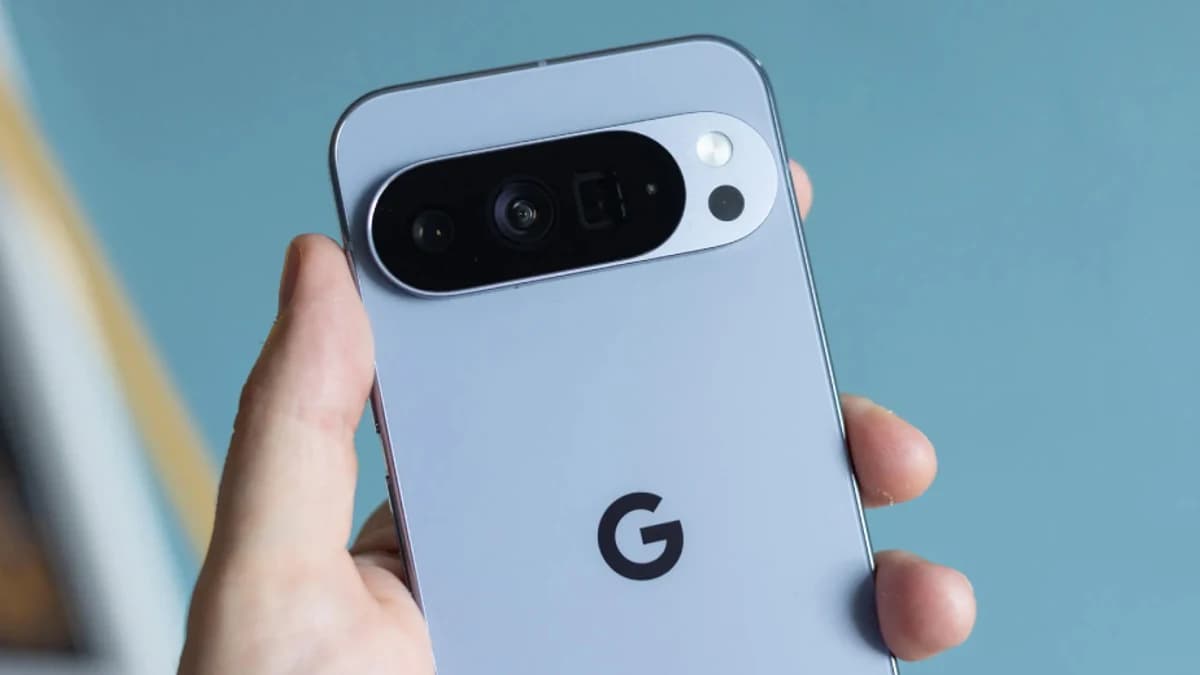
Google appears to be preparing a Pixel 11 feature called Proactive Assistance.
An Android Authority teardown of the Google app found onboarding material describing a system that can use context from the phone to provide help before the user manually explains everything.
The feature remains unannounced before the Made by Google event on 12 August.
If it ships as described, it represents an important shift.
The smartphone assistant stops waiting for a question. It begins preparing an answer from what is already happening on the device.
What you need to know
- Proactive Assistance comes from an app teardown.
- It remains a leak before Google's 12 August event.
- The feature appears linked to Pixel 11 hardware.
- It may use context from Google apps and on-screen activity.
- Privacy controls will determine whether the feature feels helpful or invasive.
- Proactive AI is a step toward agent-like phone behaviour.
Why current assistants feel slow
Modern AI assistants can answer complex questions.
They often lack context.
The user still has to explain which email, which appointment, which screenshot, which address or which conversation.
That creates friction.
A proactive assistant can reduce the setup.
If the phone already knows the user is looking at a flight confirmation, the assistant should not require a long explanation of what is visible.
It should understand the situation.
This is the promise.
It is also the privacy problem.
What context could mean
Google has not announced final details.
The leaked onboarding suggests the system may draw from native app context and screen information.
Potential examples include Gmail, Messages, Calendar, screenshots, Maps, browser content and notifications.
A user might receive a reminder to leave, suggested follow-up, travel information, a summary or relevant contact details.
The difference between useful context and surveillance is permission.
Google needs to make the boundary visible.
Why Pixel 11 is the obvious launch vehicle
Google uses Pixel to introduce Android experiences tied closely to its AI stack.
A Pixel-exclusive launch gives the company controlled hardware, known and processor capability, deep Gemini integration and a manageable user base for careful rollout.
The feature may later expand to other Android devices.
Pixel first gives Google room to experiment.
That is useful when the product is capable of seeing far more than a normal app.
The permission model needs to be excellent
Users should be able to control which apps provide context, whether screen content is processed, whether processing occurs on-device, whether data leaves the phone, how long context is retained and whether sensitive apps are excluded.
Banking apps, private messages and health information require special care.
A single master switch is not enough.
The assistant should not need access to everything merely because some users want help with calendar events.
Proactive AI can reduce screen time
There is a positive digital-wellbeing argument.
A phone that understands context may require fewer app switches.
Instead of opening email, copying an address, opening Maps, checking travel time, opening Calendar and calculating departure time, the assistant could simply say: "Leave in 20 minutes to reach your meeting."
That is genuine reduction in interface work.
The best AI feature may make the phone less demanding rather than more engaging.
It can also create notification spam
Proactive systems need judgement.
If Gemini constantly suggests actions, the phone becomes an anxious colleague.
Every possible helpful intervention is also an interruption.
Google needs strong thresholds.
The assistant should distinguish useful now, useful later and not useful enough to interrupt.
Generating a suggestion is easy. Knowing when to remain silent is intelligence.
What Made by Google needs to answer
On 12 August, Google should explain which devices support Proactive Assistance, which apps can provide context, whether processing is local, which information reaches Google's servers, whether users can exclude individual apps, whether context is stored, how enterprise profiles are handled and what happens when Gemini is wrong.
A product demo will show the perfect case.
The settings screen will reveal the actual product.
It arrives as Google prepares to replace its older voice layer, explained in Google Assistant starts disappearing on September 4.
The tecMAMBO take
Proactive Assistance could be one of the Pixel 11's most consequential features.
It points toward the phone becoming an agent rather than a collection of apps.
That future can be genuinely useful.
It can also turn the most personal computer people own into a machine that is always watching for a chance to help.
Google's challenge is not making Gemini more aware. It is making users comfortable with what awareness costs.
FAQ
Is Proactive Assistance official?
Not yet. It comes from an app teardown ahead of the Pixel 11 launch.
When is the Pixel 11 event?
Made by Google is scheduled for 12 August 2026.
What could the feature do?
It appears designed to use app and screen context to offer more relevant Gemini assistance.
Is it Pixel 11 exclusive?
The leaked material suggests a Pixel 11 link, but Google has not confirmed long-term availability.
What is the biggest concern?
Permission, privacy, retention and the amount of screen context Gemini can access.
Sources
Share this story
Enjoyed this? Share it with someone who'd appreciate it.
Ask MAMBO
Have a plain-English question about this topic? Send it in and we may answer it in a future guide.
Ask a questionRelated reading
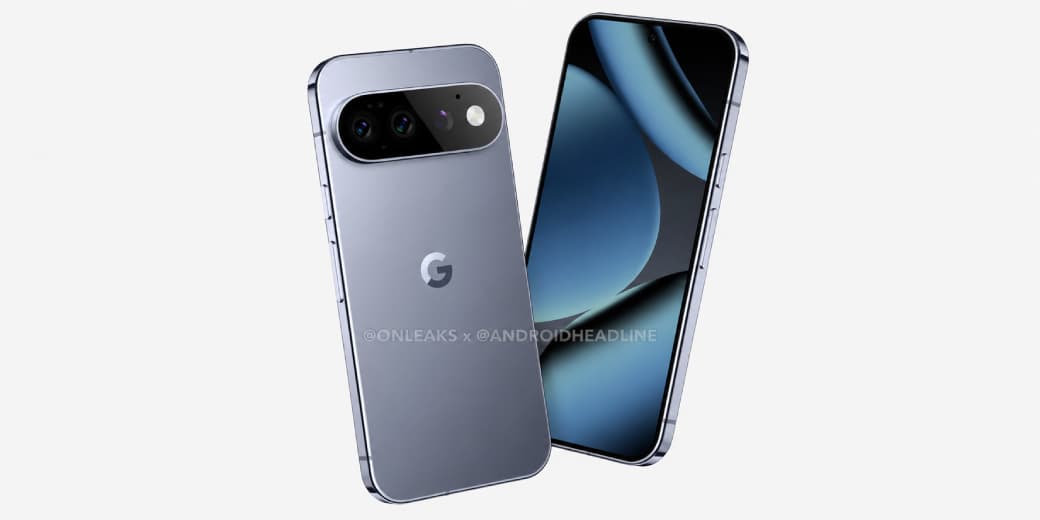
Google says Pixel 11 prices are going up. The exact damage arrives on August 12
Google says it can no longer absorb the memory crisis and is redesigning Android to use RAM more efficiently.
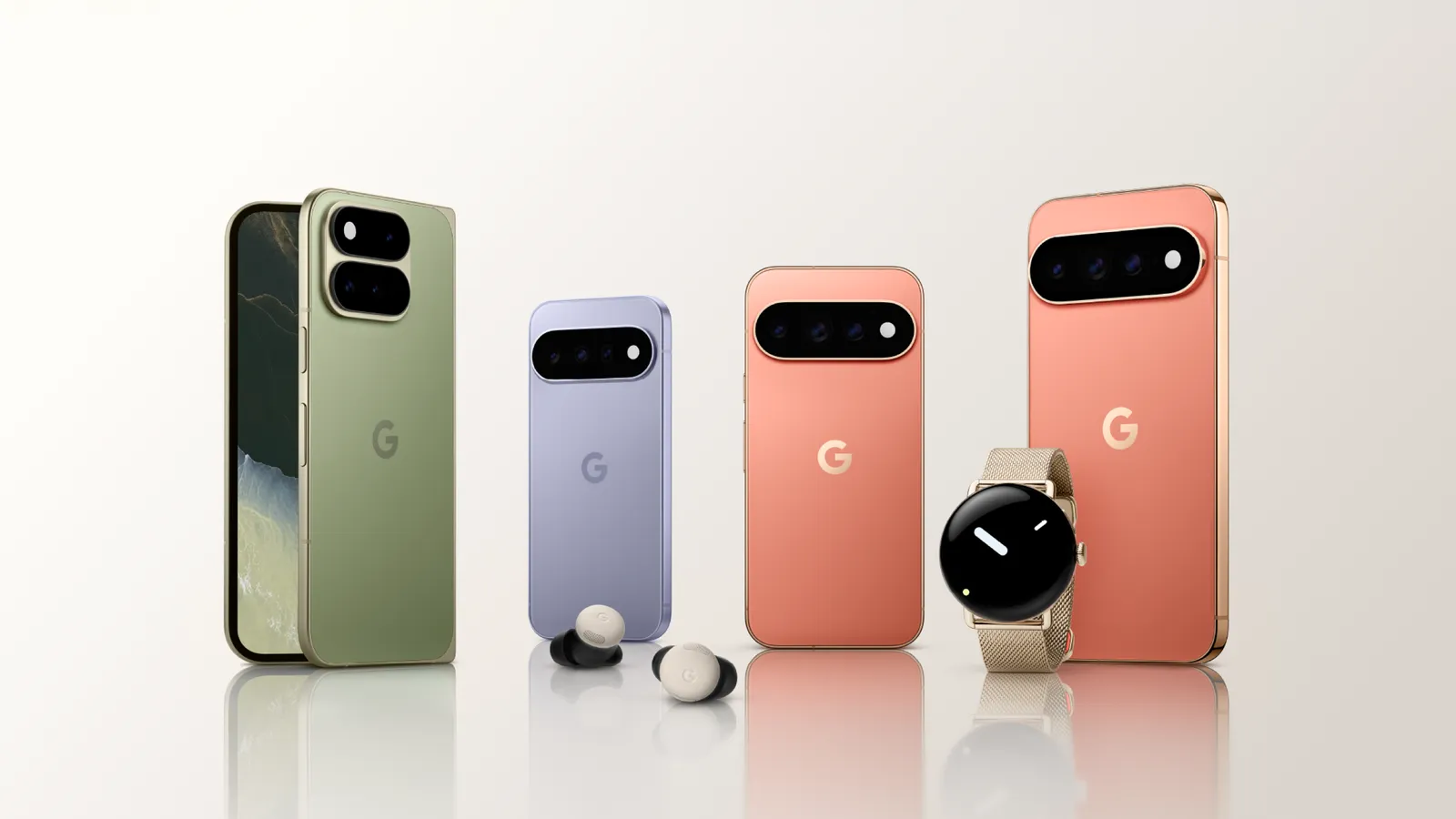
Google Pixel 11 Series Arrives with Tensor G6, HiLight, Better Cameras and Higher Starting Prices
Google's Pixel 11 family is official, bringing Tensor G6, brighter displays, new camera hardware, Proactive Assistance, Qi2.2 charging and the return of notification lights through HiLight.
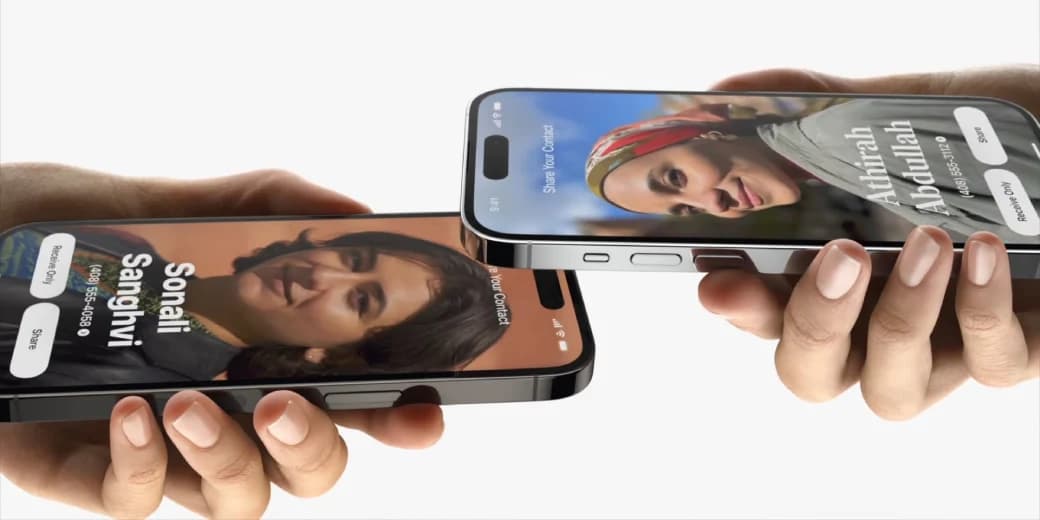
Android's new Tap to Share brings back the best idea from Android Beam
Google has revived the simple physical gesture behind Android Beam, but this time Quick Share provides the fast transfer system underneath it.