

Google Assistant starts disappearing on September 4. Gemini is no longer optional
Google has set 4 September 2026 as the date it begins removing access to the legacy Google Assistant from mobile devices. The change also affects Wear OS watches, paired headphones and vehicles using Android Auto projected from a phone.
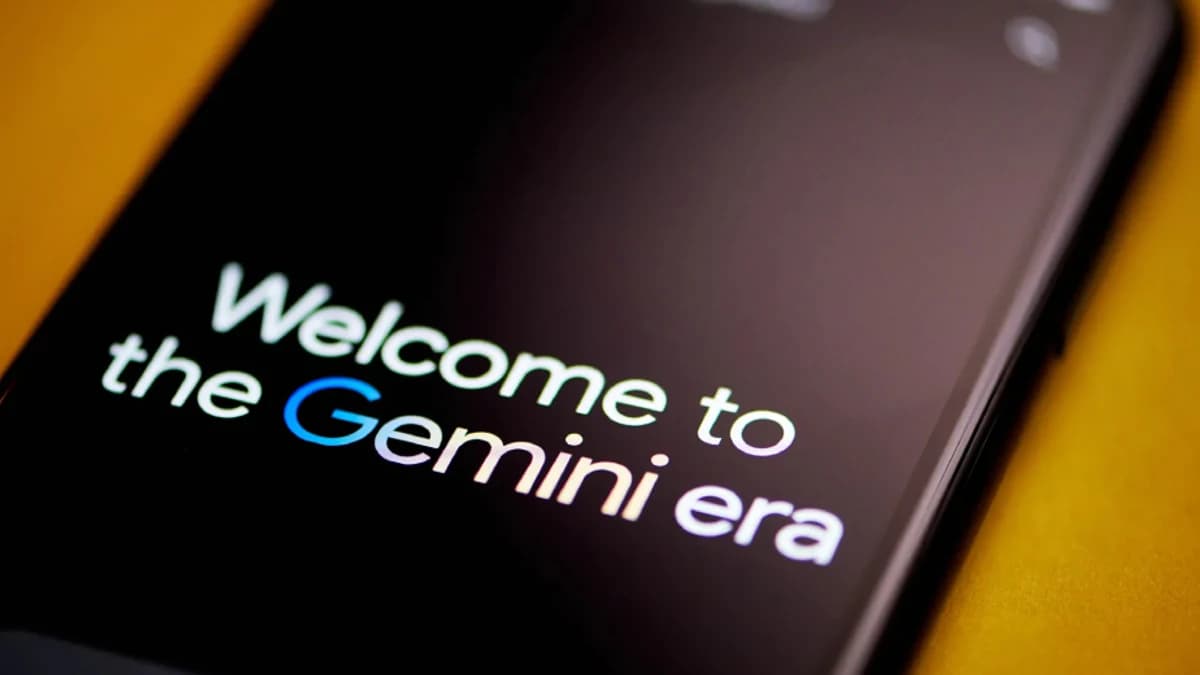
Google has set 4 September 2026 as the date it begins removing access to the legacy Google Assistant from mobile devices.
The change also affects Wear OS watches, paired headphones and vehicles using Android Auto projected from a phone.
The rollout may take several weeks. Cars with Google built-in are not being switched off on the same schedule.
The important point is simple.
The transition from Google Assistant to Gemini is no longer a preview, experiment or optional AI upgrade. Google is replacing the old interface.
What you need to know
- Removal begins on 4 September 2026.
- The process may take several weeks.
- Phones, tablets, Wear OS, headphones and projected Android Auto are affected.
- Cars with Google built-in keep Assistant beyond that date for now.
- Users will not be able to switch back once Assistant availability is removed.
- Gemini supports many familiar voice commands, but behaviour is not identical.
Why Google is killing Assistant
Google Assistant was built around intent recognition.
The user asked a defined question or command: set a timer, call someone, turn on a light, ask the weather or start navigation.
Gemini is built around a . It can handle longer, less structured requests and reason across information.
Google wants one assistant architecture capable of conversation, search, app actions, image understanding, planning, writing and device control.
Maintaining Assistant beside Gemini creates duplicate engineering and confusing product positioning.
The company has chosen consolidation.
What users may lose
Assistant became reliable at narrow actions because it had years of refinement.
LLM assistants are more flexible but can be unpredictable.
Users should test routines involving smart home devices, reminders, media, calls, messaging, accessibility, car controls and third-party integrations.
Gemini has steadily gained missing capabilities. That does not mean every edge case behaves the same.
The danger in replacing a mature assistant is that the new one looks smarter while forgetting how to turn on the kitchen light.
Why Wear OS matters
A interaction is different from a phone.
The user often wants a fast command with minimal conversation.
matters.
A watch assistant should start quickly, work reliably with short speech, avoid long answers, understand noisy environments and complete actions without extra confirmation.
Gemini may eventually provide richer intelligence.
The immediate quality test is whether it remains a good appliance interface.
AI sophistication does not excuse needing three sentences to start a timer.
What happens in the car
Android Auto users are included in the mobile transition because the phone powers the experience.
Google built-in vehicles are different because Google software runs directly inside the car.
Assistant continues there beyond September 4.
That staggered transition makes sense.
Automotive systems have long support cycles and safety implications.
A failed AI feature on a phone is irritating. A failed voice control while driving can be dangerous.
Google should prioritise predictable commands over conversational novelty in vehicles.
Privacy becomes more important
Gemini can handle richer context than Assistant.
That may include screen information, conversation history, connected apps, images, documents, email and calendar.
Users should review activity and connected-app settings.
The more useful the assistant becomes, the more personal information it may need.
Google should make permission boundaries easy to understand.
"AI can help with everything" is not a privacy setting.
What businesses should do
Organisations managing Android devices should test enterprise restrictions, work profiles, account policies, data retention, microphone permissions and Gemini access.
A company that blocked generative AI but allowed Assistant may need to update policy.
The product category changed.
A voice assistant is becoming an .
That deserves a different risk review.
The transition becomes more consequential when paired with Pixel 11's leaked Proactive Assistance.
The tecMAMBO take
Google Assistant had become invisible infrastructure.
That is why its shutdown matters.
Gemini is more capable, but capability is not the same as reliability.
Google's success will be measured by whether ordinary commands remain boring.
The best assistant is not the one that sounds intelligent. It is the one that works before the user has to think about which model is answering.
FAQ
When does Google Assistant shut down?
Google begins removing access on 4 September 2026.
Will it disappear for everyone on the same day?
No. Google says the process may take several weeks.
Can I switch back from Gemini?
Once Assistant availability is removed from a device, Google says users will no longer be able to switch back.
Does this include Wear OS?
Yes.
What about cars with Google built-in?
Google Assistant will continue there beyond September 4 for now.
Sources
Share this story
Enjoyed this? Share it with someone who'd appreciate it.
Ask MAMBO
Have a plain-English question about this topic? Send it in and we may answer it in a future guide.
Ask a questionRelated reading
Pixel 11's leaked Proactive Assistance wants to understand your screen before you ask
An Android Authority teardown reveals Google's Proactive Assistance feature ahead of Pixel 11, using screen and app context to make Gemini more proactive.
Android's August system update shows how Google changes your phone without an OS upgrade
Many Android changes now arrive through Play services rather than a full Android release, making updates faster but less visible.
TECNO EllaClaw shows the next phone war is not megapixels. It is agents
Smartphone AI is moving from photo tricks to agents that act across apps. TECNO's EllaClaw shows why budget phones may become the real test ground.