

Android's new Tap to Share brings back the best idea from Android Beam
Google has revived the simple physical gesture behind Android Beam, but this time Quick Share provides the fast transfer system underneath it.
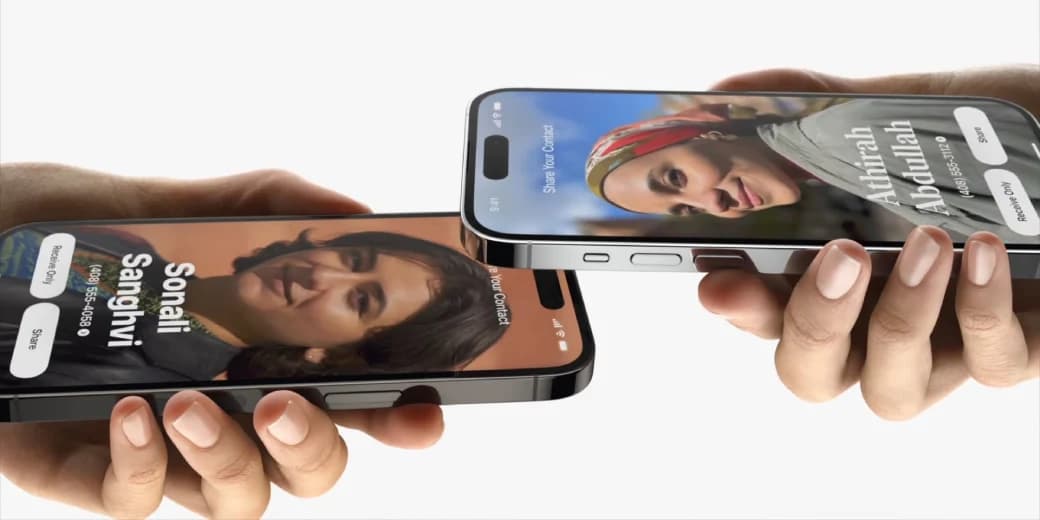
Google has added a new way to begin a Quick Share transfer.
Bring two compatible Android phones together, tap them, and Android can initiate sharing for contacts, photos, videos and other supported content.
Google calls the feature Tap to Share.
It is rolling out first to Pixel 6 and newer devices, with additional Android hardware scheduled to gain support.
If that sounds familiar, it should.
Android once had Android Beam, an NFC-based sharing feature that let users bring devices together to begin an exchange.
Google killed Beam years ago.
Now the physical gesture is back, attached to a much better sharing system.
NFC is not moving the giant video file
NFC is useful for close-range discovery and confirmation.
It is not the radio doing the heavy lifting when someone sends a large gallery of photos.
Tap to Share uses physical proximity to make the two devices recognise each other and establish intent.
Quick Share handles the actual transfer using faster nearby connectivity.
That division is clever.
If two people deliberately bring unlocked phones together, the system has a strong signal that those devices are supposed to interact.
That is easier than looking through a list of nearby device names and asking:
"Which Pixel 11 Pro is yours?"
How Tap to Share works
Google says contact exchange can be particularly simple.
From the home screen, users can bring compatible devices together for a two-way exchange.
For files such as photos and videos, the sender can open the normal Share Sheet, select Quick Share and then tap the devices together.
The rollout begins with Pixel 6 and newer phones.
Google also says additional Android devices, including newer Samsung foldables, will receive support, with broader expansion planned.
That matters because proximity-sharing becomes useful when people can assume the person standing beside them supports it.
A Pixel-only gesture is a trick.
A normal Android gesture becomes an interaction standard.
Why this is better than another menu
Sharing is technologically easy and socially awkward.
You are standing beside someone.
You want to send one photograph.
The phones ask about:
- Nearby visibility
- Bluetooth
- Permissions
- Device names
- Confirmation prompts
Apple's AirDrop and proximity interactions reduced much of that friction inside the iPhone ecosystem.
Android needs the same kind of obvious behaviour.
Touching the phones communicates intent better than a dropdown list.
"Put your phone here" is easier to explain than "Tell me what you named your device."
Android Beam was early, not necessarily wrong
Android Beam arrived before nearby sharing had the infrastructure it has now.
The concept was memorable.
The experience could be inconsistent.
Modern Quick Share is faster and more capable.
Bringing back the tap gesture gives an old interface idea a stronger technical foundation.
This happens often in product design.
A feature can fail because the surrounding technology is immature, then return years later when hardware and user expectations catch up.
The lesson is not that Google should revive everything it has ever killed.
The company has already created enough messaging apps for several lifetimes.
Why Google is starting with Pixel
Pixel gives Google control over:
- hardware
- Android software
- system services
- security behaviour
- rollout timing
That makes it the obvious testing ground.
Starting at Pixel 6 is also a useful choice because it gives an existing device several generations old a new interaction instead of making the feature exclusive to Pixel 11.
That matters for Google's seven-year support story.
Software support feels more valuable when an older device receives new behaviours, not merely security patches.
The Pixel 11 connection without another Pixel 11 article
Google introduced Tap to Share during the same period as the Pixel 11 launch.
tecMAMBO already has a dedicated long-form article covering Pixel 11, Tensor G6, HiLight, cameras, Android 17, pricing and the Pro Fold.
Publishing another Pixel 11 recap would add little value.
This article focuses on the distinct Quick Share feature and should internally link to the existing Pixel 11 launch deep dive for readers who want the hardware story.
That distinction matters editorially.
A publication can cover one event through multiple useful angles without turning every angle into a duplicate summary.
What about Android and iPhone?
Tap to Share does not suddenly create native Android-to-iPhone transfer compatibility.
Cross-platform sharing remains more complicated.
The long-term consumer win would be a world where physical proximity can initiate a secure transfer regardless of brand.
For now, ecosystem boundaries still shape who can share most seamlessly with whom.
That is another reason European interoperability rules and platform competition matter.
Privacy and accidental sharing
Any proximity feature needs safeguards.
A good implementation should ensure:
- Devices are unlocked.
- Transfer intent is visible.
- Users know what content is being sent.
- Receiving users can decline.
- Sensitive information is not transmitted merely because devices touched.
- A tap cannot silently override privacy settings.
Convenience should remove steps that do not add value.
It should not remove the step where a person understands what is happening.
The tecMAMBO take
Tap to Share is a small feature with unusually good interaction design.
It takes something invisible, nearby wireless discovery, and gives it a physical gesture people understand immediately.
Google is effectively admitting Android Beam's core idea was right.
The implementation just needed to wait for the rest of Android sharing to become good enough.
Sometimes innovation is not inventing a new behaviour.
It is remembering the old one that made sense.
Sources
Share this story
Enjoyed this? Share it with someone who'd appreciate it.
Ask MAMBO
Have a plain-English question about this topic? Send it in and we may answer it in a future guide.
Ask a questionRelated reading
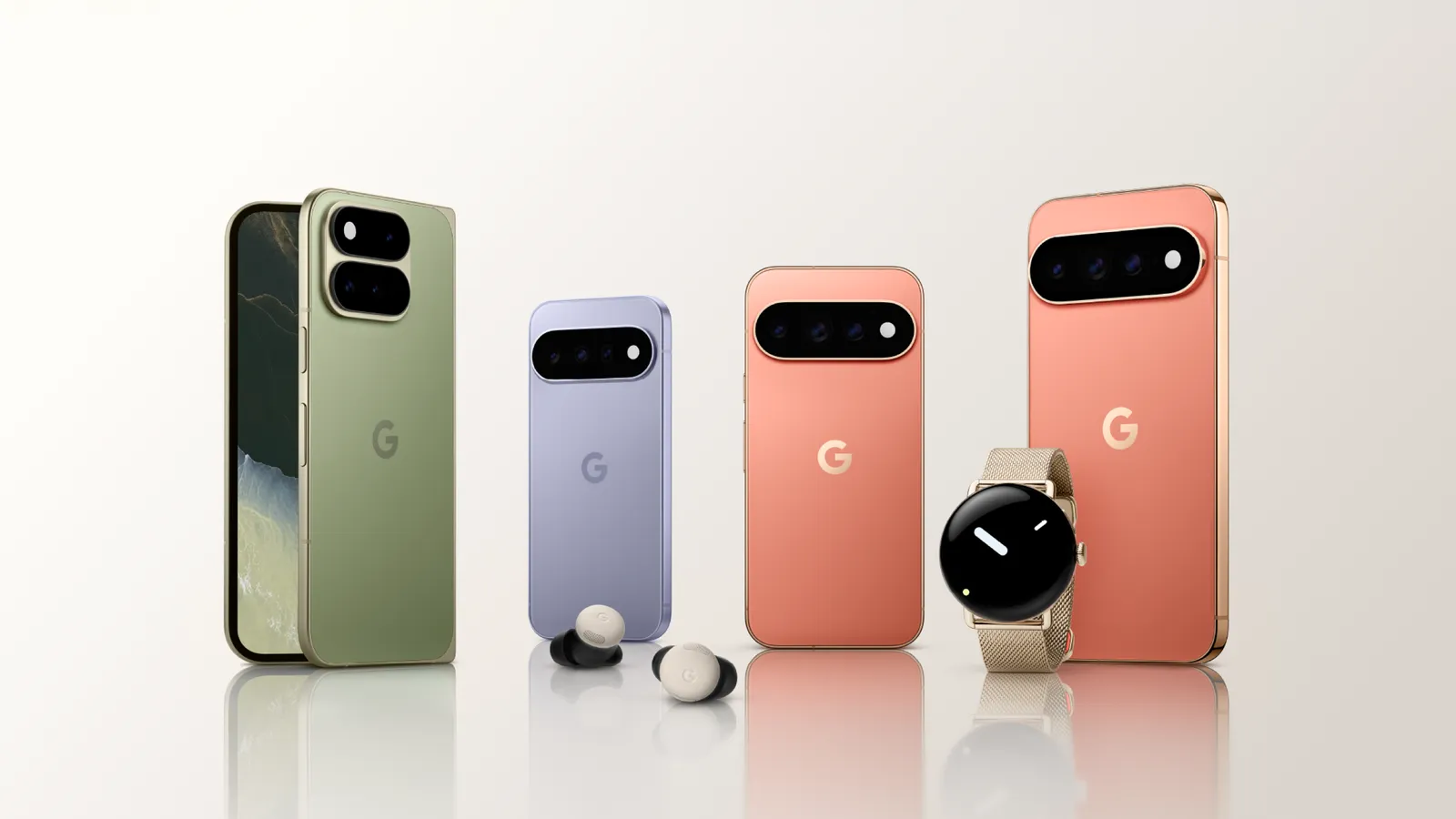
Google Pixel 11 Series Arrives with Tensor G6, HiLight, Better Cameras and Higher Starting Prices
Google's Pixel 11 family is official, bringing Tensor G6, brighter displays, new camera hardware, Proactive Assistance, Qi2.2 charging and the return of notification lights through HiLight.
Pixel 11's leaked Proactive Assistance wants to understand your screen before you ask
An Android Authority teardown reveals Google's Proactive Assistance feature ahead of Pixel 11, using screen and app context to make Gemini more proactive.
Google says Pixel 11 prices are going up. The exact damage arrives on August 12
Google says it can no longer absorb the memory crisis and is redesigning Android to use RAM more efficiently.