

Google says Pixel 11 prices are going up. The exact damage arrives on August 12
Google says it can no longer absorb the memory crisis and is redesigning Android to use RAM more efficiently.
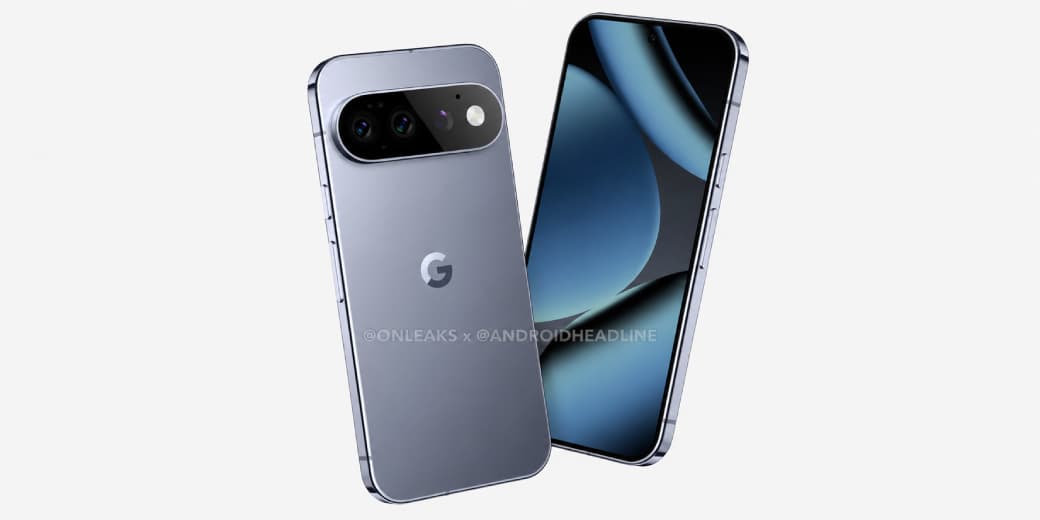
Google has confirmed that Pixel hardware will receive price adjustments because of sharply higher memory costs.
The company had not announced exact Pixel 11 prices when this article was prepared.
Those are expected at the Made by Google event on 12 August 2026.
Leaks suggest increases of around $100 on several models and possible RAM changes on the Pixel 11 Pro.
Google also says it has a dedicated effort to make Android more memory efficient.
That second part may become more important than the launch price.
The memory crisis is changing not only what phones cost, but how software is designed.
What you need to know
- Google confirmed price adjustments across Pixel hardware.
- Exact Pixel 11 prices remained unannounced before 12 August.
- Google blamed a supplier-driven crisis.
- Leaks suggest some models may rise by about $100.
- Reports suggest the Pixel 11 Pro may move from 16GB to 12GB RAM.
- Google is working to reduce Android memory use.
- Promotions and trade-ins may soften the launch price.
- Kenyan import prices may rise by more than the US increase.
The pricing pressure should be read beside our Qualcomm chip-price guide and the separate Pixel 11 rear-light analysis.
Why RAM costs have surged
AI data centres consume large amounts of advanced memory.
Manufacturers allocate investment and production toward high-margin infrastructure products.
Consumer electronics then compete for supply.
A smartphone needs memory for:
- Applications
- Multitasking
- Camera processing
- AI
- System services
- Games
- Future updates
Modern Pixel phones also reserve memory for functions.
The industry spent years telling buyers that more RAM was necessary.
The supply chain has now sent the invoice.
Why Google cannot simply absorb the cost
Google is a huge company, but Pixel operates at smaller hardware volume than Apple or Samsung.
Absorbing cost reduces margin and makes the device business less sustainable.
The company says it protected customers from price fluctuations as long as possible.
Consumers can reasonably question the claim, but the economic pressure is real.
A phone price includes:
- Processor
- Memory
- Display
- Cameras
- Battery
- Mechanical parts
- Software
- Distribution
- Marketing
- Retail margin
When several inputs rise together, the manufacturer must increase price, cut specifications or accept lower profit.
Google appears ready to use a mixture.
The leaked RAM reduction
Reports suggest the entry Pixel 11 Pro could move from 16GB to 12GB RAM.
That would be unusual for a new premium generation.
Twelve gigabytes remains substantial.
The concern is long-term capability.
Google promises years of software support and is building the Pixel around AI.
A premium phone should retain enough memory for future features.
If Google reduces RAM while raising price, it needs to explain the trade-off clearly.
A storage increase may improve value.
RAM and storage are not interchangeable.
One keeps active work available.
The other keeps files.
Can Android efficiency compensate?
Yes, to a point.
Software can reduce memory use through:
- Better background limits
- Smaller system services
- Compressed memory
- More efficient AI models
- Better application lifecycle management
- Smarter caching
A well-managed 12GB phone can feel better than a poorly managed 16GB phone.
Efficiency also benefits cheaper devices.
The danger is using optimisation as justification for underspecifying expensive hardware.
Good software and adequate hardware should arrive together.
A premium phone should not require heroic optimisation merely to meet expectations.
Why Pixel pricing matters beyond Pixel
Google controls Android and makes reference hardware.
Its choices influence the industry.
If Google raises prices and reduces RAM, other manufacturers gain permission to do the same.
If Google demonstrates excellent performance with less memory, it may reduce pressure across Android.
The Pixel 11 launch will test whether the memory crisis becomes:
- Higher prices
- Weaker specifications
- Better efficiency
- More trade-in dependence
- Longer upgrade cycles
Consumers may keep phones longer.
That is painful for manufacturers and environmentally sensible when software support remains strong.
What Kenyan buyers should expect
Pixel phones are not officially distributed in Kenya at the scale of Samsung or TECNO.
Many units arrive through importers.
A US price increase can be amplified by:
- Exchange rates
- Shipping
- Tax
- Importer margin
- Limited stock
- Warranty risk
Launch promotions may not transfer to Kenya.
Trade-in programmes may also be unavailable.
Buyers should compare the Pixel 11 with discounted Pixel 10 models after the launch.
A previous-generation phone with strong support may offer better value than a launch device shaped by a supply crisis.
Should you buy at launch?
Wait for:
- Official price
- Confirmed RAM
- Storage
- Battery tests
- Thermal tests
- Modem performance
- Local import price
- Warranty
A launch event can explain new features.
It cannot simulate six months of ownership.
Buy immediately only when the device solves a clear need and the offer is genuinely valuable.
Do not buy because the price might rise later.
Google has already informed you that it will.
The tecMAMBO take
Google deserves credit for warning buyers that Pixel prices will change.
The company still needs to prove that the product delivers more value or avoids meaningful regression.
The most interesting response is Android memory efficiency.
If the crisis forces Google to make Android leaner, every Android user could benefit.
If it produces a more expensive phone with less RAM and more AI marketing, the crisis will look suspiciously convenient.
FAQ
Has Google announced the Pixel 11 price?
No. Google confirmed adjustments, but exact pricing is expected on 12 August 2026.
How much could prices increase?
Leaks suggest around $100 on several models, but this is not official.
Why is memory more expensive?
AI infrastructure demand and constrained supply have increased RAM and storage costs.
Will Pixel 11 Pro have less RAM?
Reports suggest a 12GB entry model, but Google had not confirmed it at publication.
Should I buy Pixel 10 instead?
A discounted Pixel 10 may offer better value depending on support, warranty and local price.
Sources
Share this story
Enjoyed this? Share it with someone who'd appreciate it.
Ask MAMBO
Have a plain-English question about this topic? Send it in and we may answer it in a future guide.
Ask a questionRelated reading

Google Pixel 11 Series Arrives with Tensor G6, HiLight, Better Cameras and Higher Starting Prices
Google's Pixel 11 family is official, bringing Tensor G6, brighter displays, new camera hardware, Proactive Assistance, Qi2.2 charging and the return of notification lights through HiLight.
Pixel 11's leaked Proactive Assistance wants to understand your screen before you ask
An Android Authority teardown reveals Google's Proactive Assistance feature ahead of Pixel 11, using screen and app context to make Gemini more proactive.

Pixel 11's glowing camera bar could revive the notification LED, if Google makes it useful
The Pixel 11 appears to bring coloured notification lighting to Google's camera bar. The idea could reduce screen checking, but only if it becomes more than decoration.