

Pixel 11's glowing camera bar could revive the notification LED, if Google makes it useful
The Pixel 11 appears to bring coloured notification lighting to Google's camera bar. The idea could reduce screen checking, but only if it becomes more than decoration.
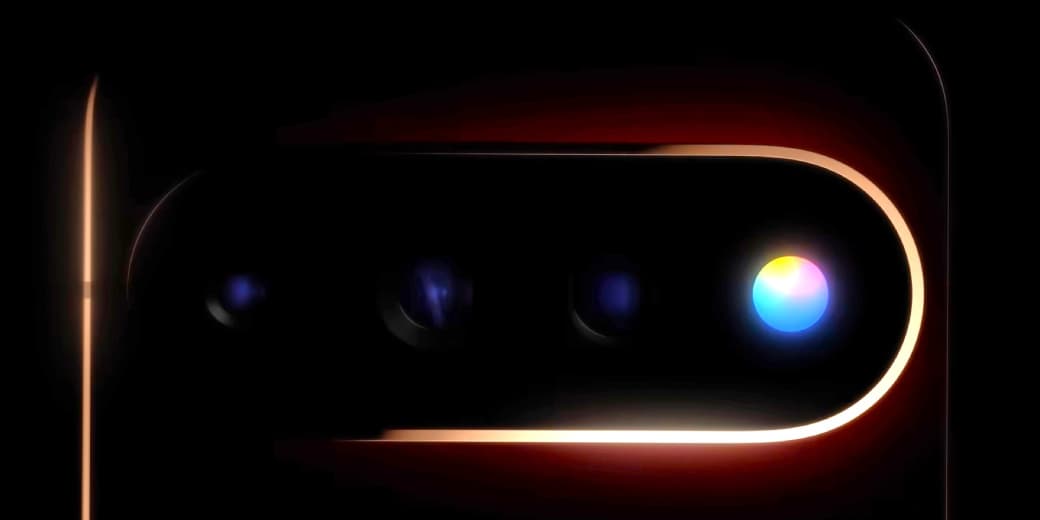
Google has confirmed that the Pixel 11 series will launch at its Made by Google event on 12 August 2026.
Its official teaser also reveals one of the strangest and potentially most useful hardware changes: a coloured light integrated around the rear camera area.
Early Android 17 references called the feature Pixel Glow. More recent reporting suggests Google may market it as HiLight. Whatever name appears on stage, the idea is familiar. Put the phone face-down and let colour communicate what is happening without waking the entire display.
That sounds like the old notification LED returning with a much larger design budget.
What you need to know
- Google has confirmed the Pixel 11 launch date as 12 August 2026.
- Google's teaser shows coloured lighting around the rear camera area.
- Pixel Glow appeared inside Android 17 development material.
- The final consumer name may be HiLight.
- Google describes the concept as using subtle light and colour for important activity while the phone is face-down.
- Tensor G6, 30x digital zoom and several camera details remain pre-launch leaks.
- The feature will only matter if users can control colours, apps, , schedules and privacy.
For another view of how phone hardware can change everyday behaviour, see TECNO's borderless concept and its usability tradeoffs. Camera changes also need the same careful leak labels used in our iPhone 18 Pro variable-aperture explainer.
What is Pixel Glow?
Pixel Glow appears to be a hardware notification light built into the rear camera bar.
Android 17 development material described a feature that uses light and colour on the back of the device to communicate important activity when the phone is face-down.
That could include incoming calls, priority messages, timers, charging status, battery warnings, Gemini activity, recording status, calendar reminders and selected application notifications.
The key word is "could." Google has not yet published the full behaviour, supported apps or user controls.
A glowing ring is easy to tease. A notification system is harder to design.
Why notification LEDs disappeared
Older Android phones frequently included a tiny LED near the earpiece.
The light could blink in different colours for missed calls, messages, charging and application alerts. Power users loved it because one glance could reveal whether a phone needed attention.
The feature faded as phones adopted edge-to-edge displays, smaller bezels, always-on displays, thinner internal layouts and more software-driven ambient notifications.
Manufacturers treated the screen as the universal communication surface.
That made sense while the phone was face-up. Many people deliberately place a phone face-down to avoid distraction, protect privacy or signal that they are present in a meeting.
A rear light solves the problem created by that habit.
Why a rear light can be genuinely useful
Modern phones make checking frictionless.
A vibration leads to a screen tap. The screen reveals several notifications. One message leads to another application. Five minutes disappear.
A low-information light can create useful distance.
A green pulse might mean a family message. Blue could indicate work. Red might signal an urgent security alert. A slow charging animation can reveal battery status without turning the phone over.
The system can communicate category without revealing content.
That is especially useful in meetings, classrooms, shared workspaces and homes where full notification previews expose private information.
The best version of Pixel Glow would not demand attention.
It would help users decide when attention is justified.
The Nothing Phone comparison
Nothing popularised the modern rear-light interface through its Glyph system.
Glyph lights can show calls, timers, charging and selected notification patterns. The company built a large part of its visual identity around those lights.
Google's challenge is different.
Nothing can treat lighting as a defining brand feature. Google must integrate it into Pixel without turning the phone into a novelty prop.
Pixel Glow may benefit from Android-level integration, Gemini context and Google's notification controls. It may know which conversations are marked as priority or whether an alert belongs to an active timer.
That system access could make it smarter than a collection of decorative light strips.
It could also make the setup confusing if Google attempts to automate everything.
A light that decides what matters needs to be very humble about its judgement.
What the feature needs to avoid becoming a gimmick
Per-app control
Users should decide which applications can activate the light.
Contact priorities
Important people should be distinguishable from a promotional alert.
Custom colours
Colour must carry consistent meaning chosen by the user.
Brightness control
A useful meeting indicator can become an irritating bedside lamp.
Sleep schedules
The light should respect Do Not Disturb, Bedtime mode and quiet hours.
Accessibility options
Colour alone is not enough for people with colour-vision differences. Patterns and timing should also vary.
Battery awareness
The feature should use little power and explain any measurable impact.
Privacy controls
A recognisable light pattern should not reveal sensitive activity to people nearby.
Without these controls, Pixel Glow becomes another feature users disable after the first week.
Why face-down design is an interesting shift
Phone interfaces are normally designed around the assumption that the screen faces the user.
Rear notification hardware accepts that the phone spends meaningful time facing away.
That changes the product from a single-surface device into a two-sided interface.
The front remains detailed and interactive. The back becomes ambient and glanceable.
This could create better digital etiquette. A person can put the phone down without cutting themselves off from genuinely important events.
It could also create new distraction. A room full of glowing camera bars is still a room full of phones asking to be noticed.
Good interface design does not merely move the interruption to another side.
What is actually confirmed about Pixel 11?
Google has confirmed the Pixel 11 name and the 12 August event.
The teaser visually supports the existence of rear lighting.
Other details should remain labelled as leaks until the announcement.
Reports point to Pixel 11, Pixel 11 Pro, Pixel 11 Pro XL and Pixel 11 Pro Fold models, Google's Tensor G6 processor, revised cameras, increased digital zoom on selected models, new Gemini features, improved face unlock, MediaTek modem hardware and changes to batteries and thermal behaviour.
The base Pixel 11 has been linked to a 30x digital zoom claim in leaked marketing material. That number should not be confused with 30x optical zoom.
Digital zoom relies heavily on cropping, sensor data and computational reconstruction. The quality at maximum range matters more than the number printed beside it.
Google's camera reputation was built on processing. The launch must show whether the new zoom produces useful photographs rather than impressive interface numerals.
What Tensor G6 could change
Tensor chips are designed around Google's software priorities rather than benchmark leadership alone.
A sixth-generation Tensor could improve on-device Gemini functions, photo and video processing, voice recognition, translation, security, battery efficiency, thermal performance and camera responsiveness.
Leaks indicate significant changes, but Google must confirm the architecture and devices.
Pixel users have historically cared less about winning synthetic benchmarks than about heat, modem reliability, and smooth daily performance.
A faster processor that still runs hot is an expensive way to reach the same complaint more quickly.
Will Pixel Glow improve battery life?
The light itself is unlikely to transform endurance.
The behavioural effect might matter more.
If users check the display less often, the phone avoids some screen wake-ups and application sessions. That can save a small amount of power and a larger amount of attention.
The opposite is also possible. Bright animations, frequent triggers and constant customisation could add power use.
Google should publish clear settings and allow a minimal mode.
The most energy-efficient notification is the one that does not persuade the user to open six applications.
Who is this feature for?
Pixel Glow could appeal to former notification-LED enthusiasts, people who keep phones face-down, users who want private alert categories, digital-wellbeing users, people who use timers frequently, users who need a visible charging indicator and Pixel owners who want a stronger hardware identity.
It may matter less to people who use smartwatches, keep phones in pockets or disable most notifications.
A good feature does not need to serve everyone.
It needs to solve a real problem for enough people without making the rest of the device worse.
The tecMAMBO take
Pixel Glow is a promising revival because it reduces information instead of adding more.
The old notification LED worked precisely because it could not display a feed, a video or an advertisement. It offered a small clue and left the decision with the user.
Google should protect that simplicity.
If HiLight becomes a calm, configurable signal, it could be one of the Pixel 11's most human features.
If it becomes a Gemini light show searching for reasons to animate, the notification LED should have remained peacefully retired.
FAQ
When will Google launch the Pixel 11?
Google has scheduled the Made by Google launch for 12 August 2026.
Is Pixel Glow officially confirmed?
Google's teaser shows the rear light, and Pixel Glow appeared in Android 17 material. The final retail name and full capabilities will be confirmed at launch.
Is the feature called Pixel Glow or HiLight?
Pixel Glow was the development name found in Android material. Recent reporting suggests the commercial name may be HiLight.
Does Pixel 11 have 30x optical zoom?
Pre-launch material points to up to 30x digital zoom on at least one model. Digital zoom is not the same as a 30x optical lens.
Will every Pixel 11 model have the rear light?
Google had not published complete model-by-model specifications at the time of writing.
Sources
Share this story
Enjoyed this? Share it with someone who'd appreciate it.
Ask MAMBO
Have a plain-English question about this topic? Send it in and we may answer it in a future guide.
Ask a questionRelated reading
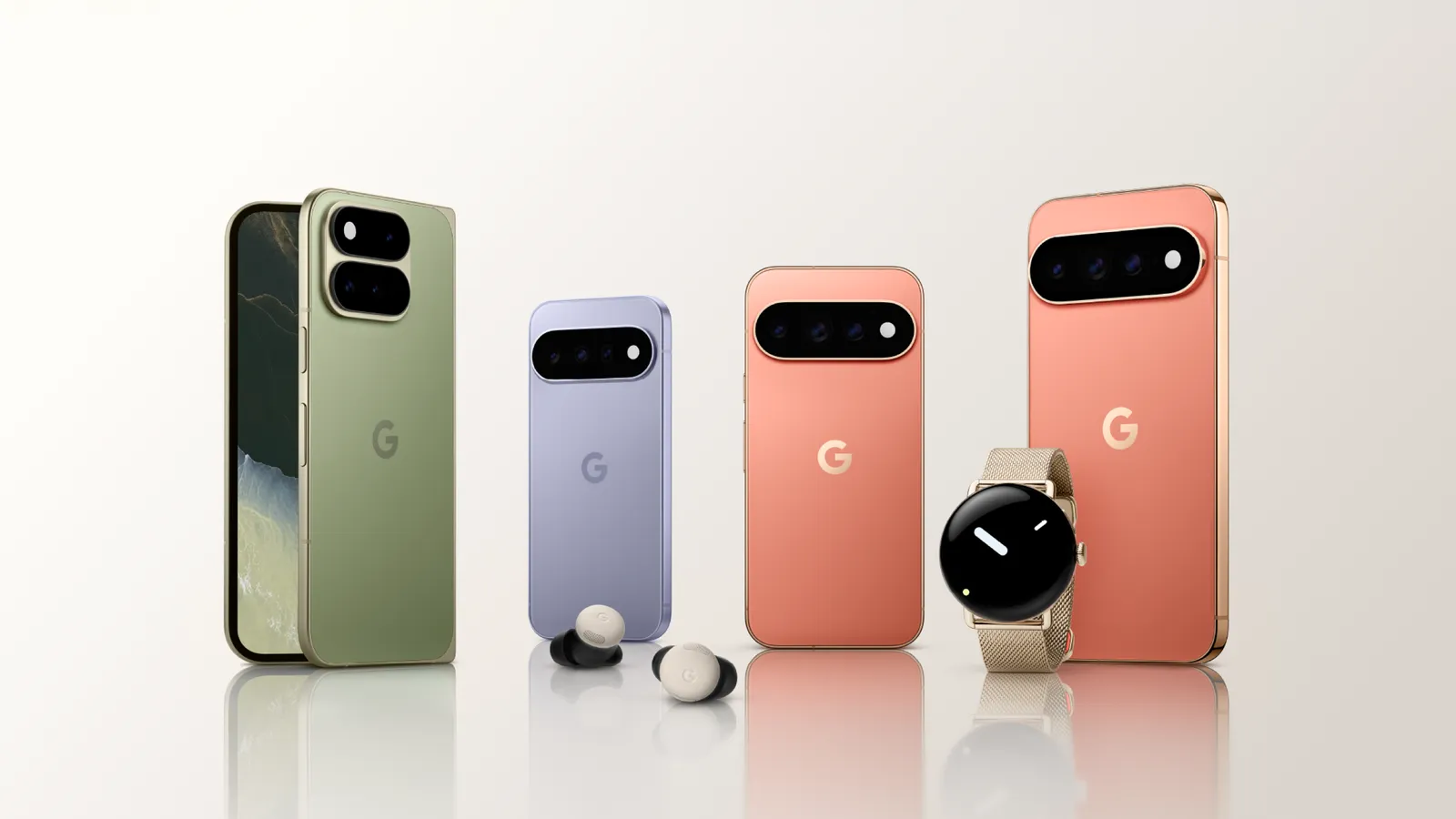
Google Pixel 11 Series Arrives with Tensor G6, HiLight, Better Cameras and Higher Starting Prices
Google's Pixel 11 family is official, bringing Tensor G6, brighter displays, new camera hardware, Proactive Assistance, Qi2.2 charging and the return of notification lights through HiLight.
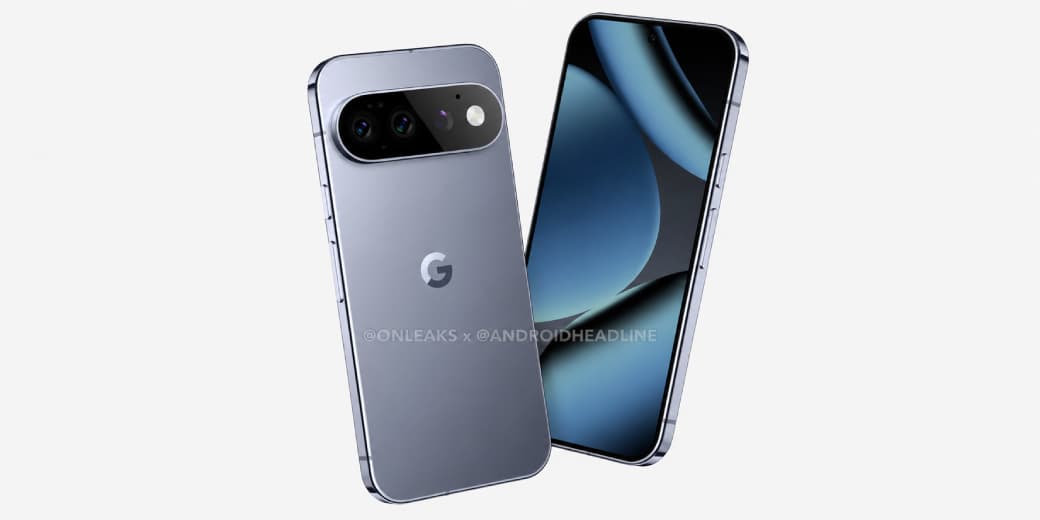
Google says Pixel 11 prices are going up. The exact damage arrives on August 12
Google says it can no longer absorb the memory crisis and is redesigning Android to use RAM more efficiently.
Android 17 makes a stolen PIN less powerful, but biometrics are not magic
Google is reducing the power of a stolen or observed PIN by requiring biometrics for sensitive recovery actions. It is a useful security layer, not a complete theft cure.