

TECNO's 0mm-bezel concept looks stunning. Your palm may disagree
TECNO says its concept removes the final visible border around a smartphone display. The engineering achievement is real, but bezels also protect screens and prevent accidental touches.
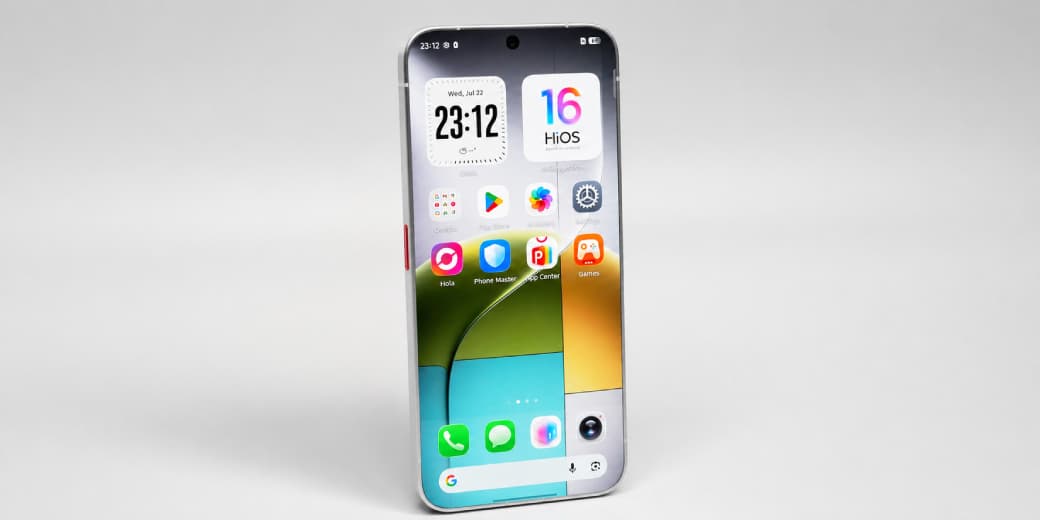
TECNO has teased what it describes as the industry's first true 0mm-bezel smartphone display.
The device, currently called the Next-Gen Borderless Concept Phone, is expected to receive a fuller public reveal at IFA 2026 in Berlin.
TECNO says it reworked the display structure, component stacking and screen packaging so the visible panel reaches the physical edge of the device.
The concept looks like the destination smartphone manufacturers have chased for more than a decade.
It also removes a small strip of hardware that quietly performs several useful jobs.
What you need to know
- TECNO describes the prototype as a true 0mm-bezel concept.
- The company plans a fuller reveal at IFA 2026.
- Current public material is largely based on official renders and teaser information.
- The concept still appears to use a front-camera cut-out.
- TECNO says advanced internal stacking and new panel packaging made the design possible.
- Palm rejection, , repairability and protective cases remain major unanswered questions.
- No retail release date, price or market availability has been confirmed.
TECNO's approach removes hardware around the screen, while the Pixel 11 lighting concept tries to make the hardware around a camera useful. Both ideas will be judged by daily behaviour, not by a launch-stage silhouette.
What does 0mm bezel mean?
A bezel is the visible border between a display's active pixels and the outer frame of the device.
Modern phones already use extremely thin bezels. Manufacturers reduce them by bending display connections, shrinking drivers and rearranging internal components.
TECNO claims its concept reduces the visible border to zero.
That does not mean the device has no frame, seals, display driver, structural support or internal clearance. Those elements still need to exist somewhere.
The claim means the active display visually reaches the edge when viewed from the front.
This is a design and packaging achievement, not the disappearance of physics.
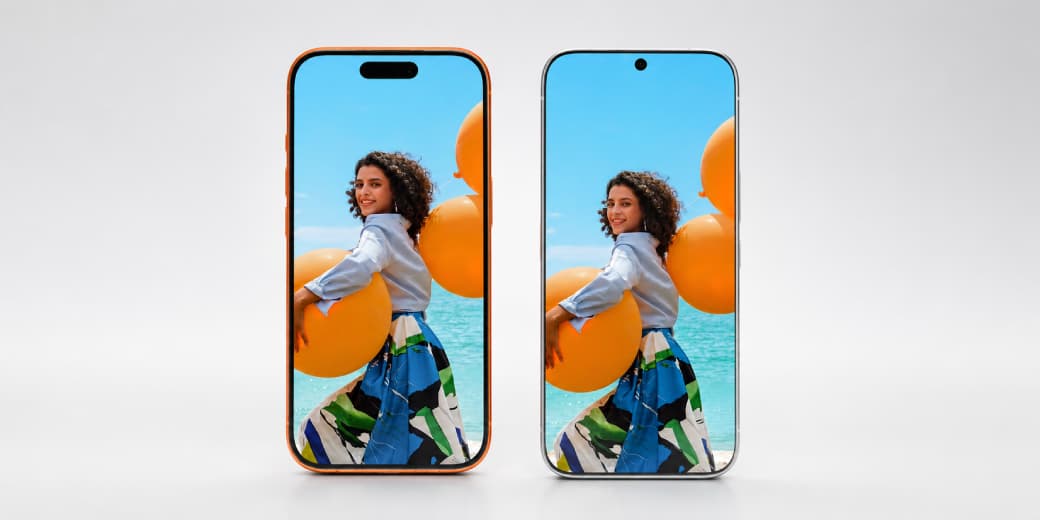
Why phone makers keep chasing an all-screen front
The benefits are easy to understand.
A borderless screen can provide a larger display inside the same body size, a more immersive video experience, cleaner industrial design, more visual impact in stores, better gaming immersion and smaller dimensions for a given screen diagonal.
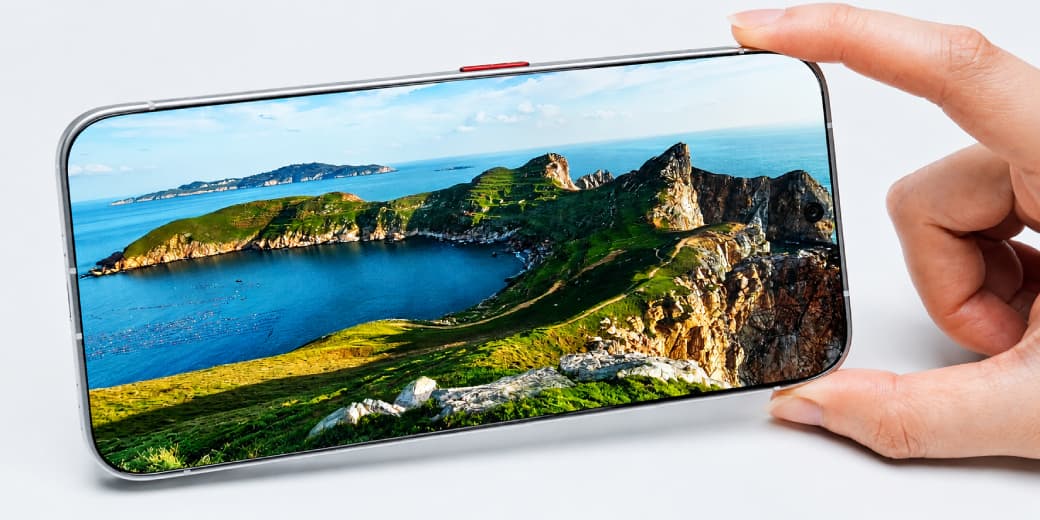
Smartphone hardware has matured. Most rectangular phones look increasingly similar.
Bezels remain one of the few measurements that a buyer can see immediately without opening a settings menu.
That makes them valuable marketing territory.
A screen that appears to float in the hand photographs beautifully. Whether it survives the hand is another question.
What engineering changes are required?
TECNO says it used advanced internal stacking and new screen-packaging techniques.
Display panels need circuits and connections around their edges. Manufacturers can fold some components underneath the visible panel, use chip-on-film packaging and reduce the physical borders around the active area.
A true borderless design may require tighter integration between the display panel, touch layer, cover glass, frame, antenna, camera cut-out, speakers, sensors, seals, display drivers and impact protection.
Every fraction of a millimetre removed from the front must be recovered somewhere else.
The engineering becomes more difficult because smartphone components need thermal space, electrical isolation and tolerance for manufacturing variation.
A concept unit can be assembled carefully.
A retail phone must be produced millions of times without small alignment errors creating dead pixels, light leakage or fragile edges.
The palm-rejection problem
People do not hold phones by levitation.
Fingers and palms wrap around the sides. If active touch pixels reach every edge, normal grip can resemble intentional input.
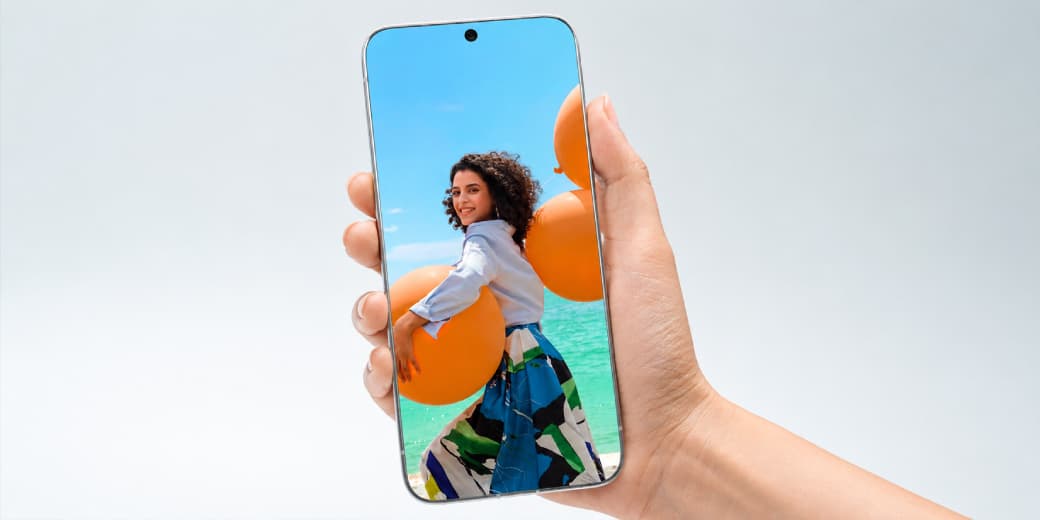
Modern curved-screen phones already struggle with accidental touches. Software attempts to identify the difference between a supporting palm and a deliberate tap.
A 0mm bezel increases the importance of that system.
TECNO will need to consider grip position, left-handed and right-handed use, gaming controls, keyboard edges, one-handed scrolling, landscape video, accessibility gestures, cases, wet hands, gloves and different hand sizes.
Aggressive palm rejection can create the opposite problem by ignoring real taps near the edge.
The display can become visually perfect and operationally suspicious.
Why bezels help durability
A small border provides room between the active display and the impact surface.
When a phone falls, the frame or case can absorb some force before it reaches vulnerable screen pixels.
A display that reaches every edge has less visual buffer.
Manufacturers can compensate through stronger cover glass, reinforced frames, internal cushioning and raised case lips. Those solutions may add thickness, weight or cost elsewhere.
The concept also raises questions about edge chipping.
Even when the cover glass survives, damage near the boundary can affect active pixels immediately.
A black border is not glamorous.
Neither is a green line running down a replacement screen invoice.
What happens when a case is added?
Most buyers use protective cases.
A normal case adds a raised rim around the front. That rim may visually recreate the border TECNO removed.
If the display reaches the edge, the case also needs to avoid blocking content or interfering with gestures.
The company could design an official case with minimal front intrusion, but protection and visual purity pull in opposite directions.
This is a recurring concept-phone problem.
A design can look revolutionary in a controlled render and ordinary after a practical case, screen protector and carrier sticker arrive.
Is the front camera still visible?
The teaser material appears to show a hole-punch camera.
That means the concept is borderless rather than uninterrupted.
An could remove the cut-out, but current under-display systems often compromise image quality because light must pass through the screen structure.
TECNO may decide that a visible cut-out is the better trade-off.
That is reasonable.
A true all-screen phone does not need to damage every other feature to win a percentage calculation.
Why TECNO's role matters
TECNO has a strong presence across African and other emerging markets.
The company often experiments with designs that larger Western media narratives associate mainly with premium brands. Its concept work includes foldables, camera mechanisms, ultra-thin devices and unusual materials.
That matters because innovation is no longer moving in one direction from Apple and Samsung toward everyone else.
Chinese manufacturers and Transsion brands increasingly test aggressive ideas, especially where they can differentiate through hardware rather than ecosystem lock-in.
The sceptical point is that concept leadership does not automatically produce accessible retail products.
Emerging-market relevance depends on price, repairability, software support, local availability and durability.
A spectacular prototype that never reaches a shop is industrial-design theatre.
Could 0mm bezels improve accessibility?
Possibly, but the effects cut both ways.
A larger visual area inside a compact body can help users who benefit from bigger text and controls.
Edge-to-edge touch targets can also become harder for people with limited grip control or motor impairments. Accidental touches and missing physical orientation cues may create frustration.
Software should provide adjustable edge dead zones, one-handed modes, touch-sensitivity controls, clear gesture feedback, case-aware calibration and accessibility testing across hand abilities.
Accessibility cannot be added after the glass has already reached the frame.
Will this become a real phone?
TECNO has not confirmed a commercial release.
Concept devices serve several purposes. They demonstrate research, attract media attention, test public reaction, build supplier relationships, establish design leadership, influence future retail products and recruit engineering talent.
Parts of the technology may appear in later devices even if the concept itself never ships.
The most likely near-term outcome is not every bezel disappearing at once.
It is the gradual transfer of the packaging techniques into phones with extremely thin, but still practical, borders.
What should TECNO prove at IFA?
The full reveal should answer whether the displayed device is functional, whether the 0mm measurement is consistent on all four sides, how palm rejection works, what happens near keyboard and gaming controls, how strong the edge is, whether a case can protect it without hiding the design, whether the front-camera cut-out is final, how the screen performs in sunlight, whether the design affects antenna reception and whether there is a path to mass production.
Independent hands-on testing matters more than another controlled video.
A concept becomes credible when journalists can hold it incorrectly.
The tecMAMBO take
TECNO's borderless phone is a legitimate engineering provocation.
It asks whether the final millimetre of black border still serves the user or merely survives because manufacturing is difficult.
The answer may be both.
A bezel is visually empty, but structurally busy. It protects the screen, gives the hand somewhere to exist and makes manufacturing more forgiving.
TECNO deserves credit for challenging it.
The company earns the breakthrough only when the screen survives pockets, palms, cases, children and concrete.
FAQ
Is TECNO's 0mm-bezel phone available to buy?
No retail release has been confirmed. It is currently presented as a concept phone.
When will TECNO show the device publicly?
TECNO plans a fuller reveal around IFA 2026 in Berlin.
Does 0mm bezel mean the phone has no frame?
No. It means the active display appears to reach the edge. Structural and electronic components still exist inside the device.
Does the concept have an under-display camera?
Current teaser images appear to show a hole-punch front camera rather than a completely hidden camera.
Why can zero bezels cause accidental touches?
The hand naturally contacts the edges while holding a phone. Software must distinguish grip contact from deliberate input.
Sources
Share this story
Enjoyed this? Share it with someone who'd appreciate it.
Ask MAMBO
Have a plain-English question about this topic? Send it in and we may answer it in a future guide.
Ask a questionRelated reading
TECNO EllaClaw shows the next phone war is not megapixels. It is agents
Smartphone AI is moving from photo tricks to agents that act across apps. TECNO's EllaClaw shows why budget phones may become the real test ground.

iPhone Duo vs Samsung Galaxy Z Fold8: What Apple Actually Got Right, and What It Didn't
This is analysis, not neutral reporting.

iPhone Duo vs Xiaomi 18 Fold: Why the Timeline, Not the Design, Is the Real Story
Xiaomi launched the 18 Fold in China on September 7, 2026, two days before Apple officially unveiled the iPhone Duo on September 9.