

Windows on Arm has reached the enterprise. Compatibility now matters more than battery claims
Qualcomm's Snapdragon X2 generation is no longer confined to consumer ultraportables. Microsoft is selling Snapdragon X2-powered Surface Laptop 8 for Business and Surface Pro 12 for Business configurations.
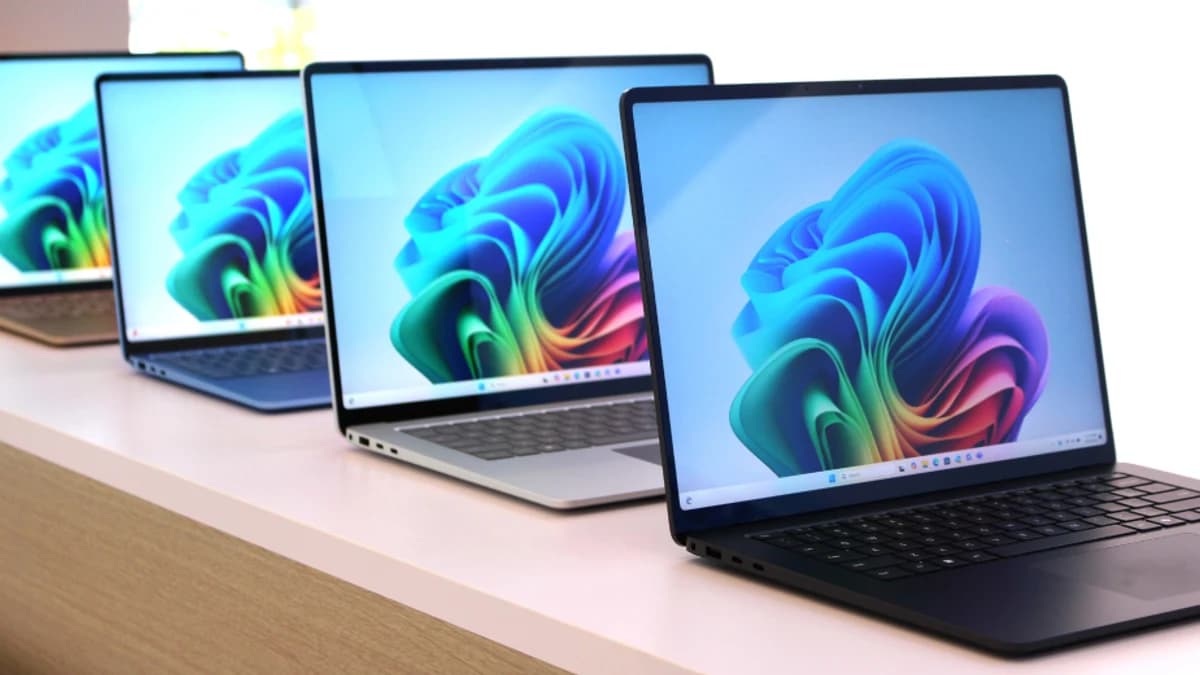
Qualcomm's Snapdragon X2 generation is no longer confined to consumer ultraportables.
Microsoft is selling Snapdragon X2-powered Surface Laptop 8 for Business and Surface Pro 12 for Business configurations.
HP and other PC makers have also expanded X2 devices across the broader Copilot+ market.
That moves Windows on Arm into a harder environment.
Consumers can tolerate an occasional incompatible application.
Corporate IT departments cannot tolerate 5,000 employees discovering one at the same time.
What you need to know
- Snapdragon X2 business Surface devices are shipping.
- X2 chips emphasise CPU efficiency and high NPU performance.
- Copilot+ features rely on acceleration.
- Enterprise adoption depends on management and application compatibility.
- Arm-native software has improved.
- Legacy peripherals and specialised software remain the key risk.
Why enterprises care about Arm
Corporate laptops spend much of their life doing browser work, Office, video calls, messaging, cloud applications, and security software.
These workloads benefit from efficiency.
Longer can reduce charging and improve mobility.
Cooler operation can improve comfort and reliability.
The business case is not benchmark leadership.
It is reducing friction across thousands of workdays.
Qualcomm's second generation matters
The first Snapdragon X wave had to prove Windows on Arm could be normal.
The X2 generation needs to prove it can be standard.
Second-generation hardware improves CPU performance, graphics, NPU capability and efficiency.
The software ecosystem also has more time to mature.
Chrome, Office and many common applications run natively or well through translation.
The remaining failures become more visible because they are increasingly specialised.
The enterprise compatibility trap
A company may use one ancient application that runs payroll, laboratory equipment or finance.
If that application depends on old drivers, kernel extensions, hardware dongles or obscure plug-ins, Arm compatibility can fail.
The same applies to printers, scanners and security tools.
This is why IT departments need pilot deployments.
Do not replace 2,000 laptops because a battery benchmark looked excellent.
Give fifty employees the devices and wait for reality to complain.
Security and management matter more than AI demos
Enterprise buyers care about device encryption, identity, remote management, patching, , recovery, VPN, endpoint detection and supply chain.
An 80 TOPS NPU is interesting.
A laptop that cannot be managed by the existing security stack is not.
Microsoft's business devices include features designed for fleet deployment.
Qualcomm's success depends on OEMs matching the maturity enterprise buyers expect from Intel systems.
What Copilot+ really means for business
Local AI can help with meeting audio, transcription, document search, image processing, accessibility and small local models.
On-device processing can reduce and sometimes improve privacy.
Companies should still ask what data leaves the device, which model runs locally, whether AI features can be disabled, whether outputs are logged and whether the NPU creates new attack surface.
AI PC is a marketing category.
Enterprise AI is a governance category.
Why Intel and AMD should care
Arm competition puts pressure on x86 vendors to improve efficiency.
Intel and AMD have responded with stronger NPUs and battery-focused architectures.
Competition benefits buyers.
Windows spent decades around x86 assumptions.
Qualcomm does not need to replace x86.
It needs enough enterprise success that developers stop treating Arm support as optional.
That creates a self-reinforcing ecosystem.
What African organisations should consider
Organisations in Kenya and other African markets often keep laptops longer than Western refresh cycles.
That makes compatibility and repair particularly important.
Before adopting Arm fleets, check local service, docking, printer support, VPN, finance software, security agents, spare parts and .
Battery life has extra value in environments with power interruptions.
A device that stays productive longer during an outage can offer practical infrastructure resilience.
Cross-platform work also depends on operating-system cooperation, including Apple's future iPhone-to-Windows clipboard project.
The tecMAMBO take
Windows on Arm has reached the stage where the processor is less interesting than the deployment.
Qualcomm has shown that the hardware can be fast and efficient.
Enterprise customers will decide whether the ecosystem is mature.
The breakthrough is not an Arm laptop that wins a benchmark.
It is an IT department that deploys one without writing a special memo.
FAQ
Which business Surface devices use Snapdragon X2?
Microsoft offers Snapdragon X2 configurations of Surface Laptop 8 for Business and Surface Pro 12 for Business.
What is Copilot+?
It is Microsoft's category for PCs meeting specific hardware requirements for local AI capabilities.
Will all Windows applications work?
Many do, but specialised software and drivers should be tested before fleet deployment.
Why is Arm more efficient?
Arm-based platforms are designed around power-efficient computing, although real battery life depends on the complete laptop.
Should businesses migrate immediately?
Pilot testing is the safest approach.
Sources
Share this story
Enjoyed this? Share it with someone who'd appreciate it.
Ask MAMBO
Have a plain-English question about this topic? Send it in and we may answer it in a future guide.
Ask a questionRelated reading
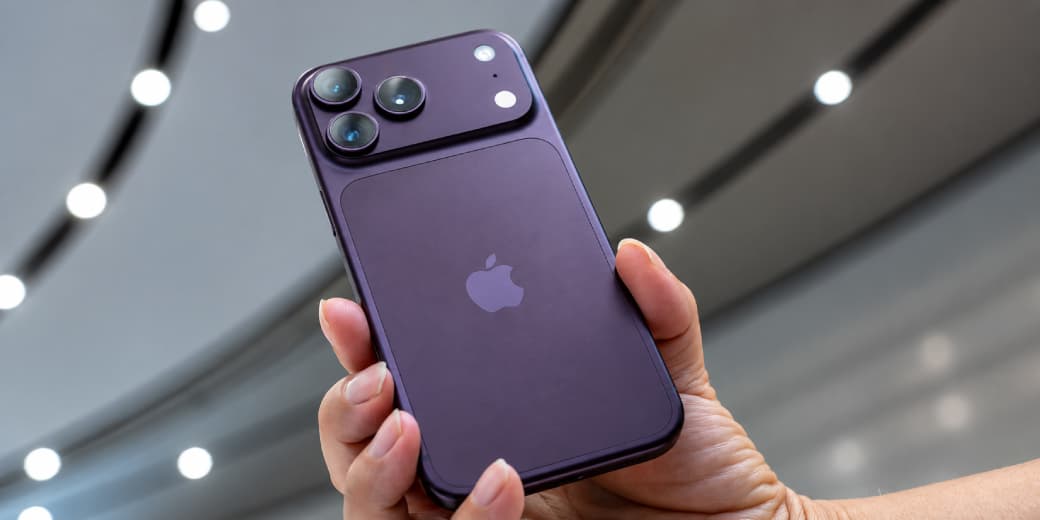
The iPhone 18 Pro Max sold in the US is quietly different from every other one in the world
Every iPhone 18 Pro, in every country including the US, uses Apple's own C2 modem.
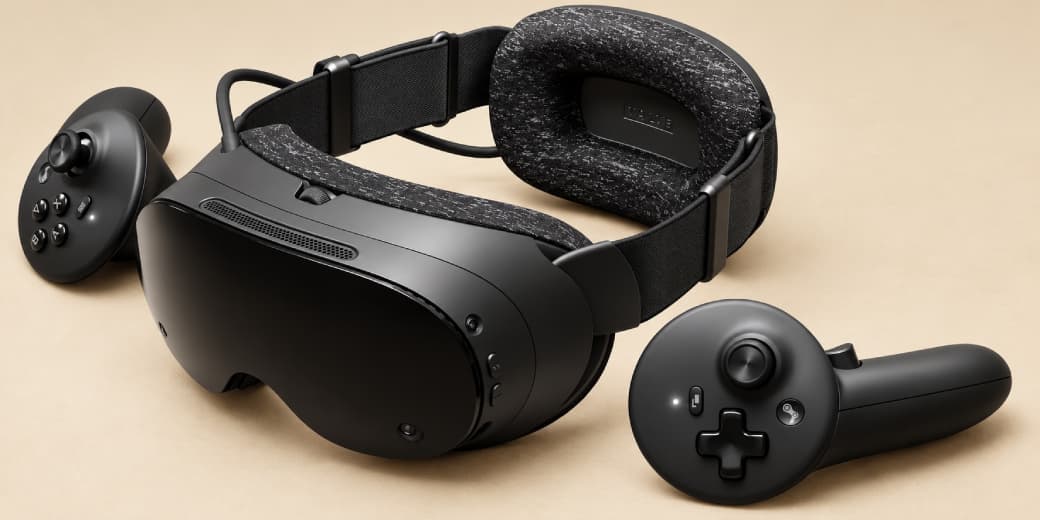
Valve's Steam Frame is here, and it costs more than anyone expected for the same reason your next phone will too
Valve launched the Steam Frame, its standalone wireless VR headset, on September 14, 2026, without advance notice, at $1,059 for a 256GB model and $1,299 for 1TB.
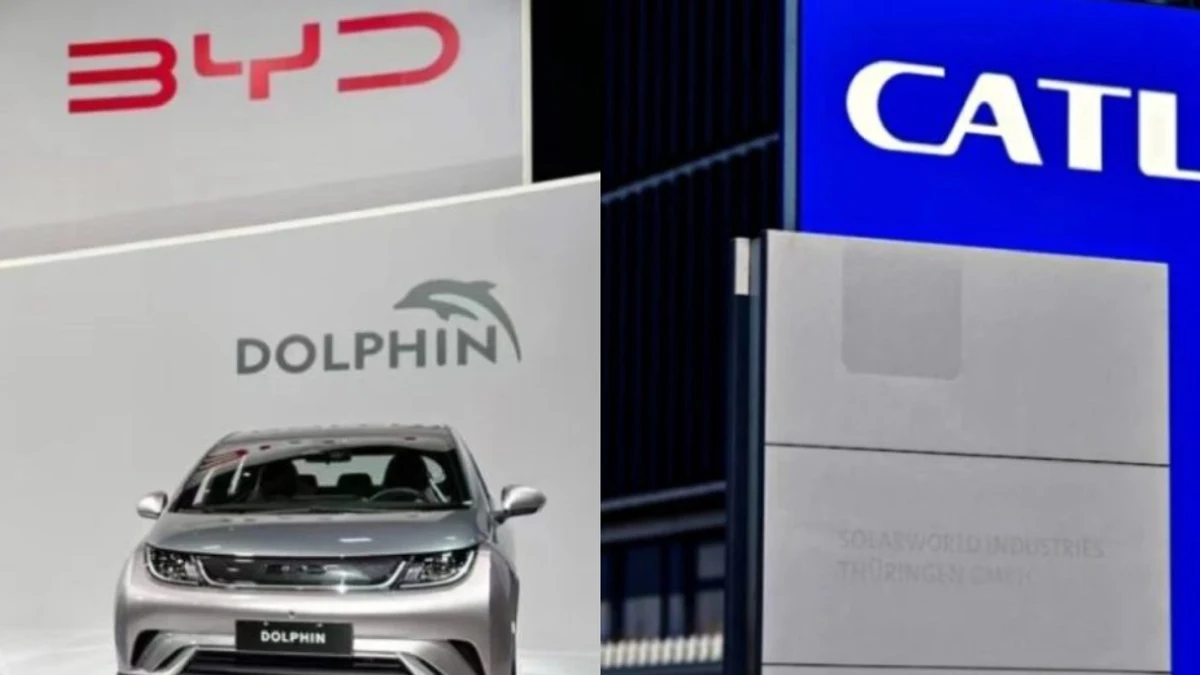
CATL and BYD want solid-state battery trials in 2027. Your next EV probably will not have one
CATL and BYD are targeting small-scale solid-state battery production in 2027, but cost, yield and durability still separate trials from mass-market EVs.