
Kenyan AgriTech Startup Rhea Backed With $100,000 to Take Its Soil Technology Across East Africa
Kenyan agritech startup Rhea Soil Health Management has a $100,000 convertible note from Obudu Capital to take its AgriPad soil-testing technology into Tanzania and beyond.
Quick answer
Rhea Soil Health Management, a Nairobi agritech startup, is backed by a $100,000 convertible note from Obudu Capital that is meant to carry its soil-intelligence technology beyond Kenya. The funding is tied to four milestones: commercializing the AgriPad soil-testing device, deploying 100 devices, reaching 5,000 farmers and expanding into Tanzania. Tanzania would be Rhea's first market outside Kenya.
What was announced
Kenyan agritech startup Rhea Soil Health Management is preparing to take its soil-intelligence technology beyond Kenya, backed by a $100,000 investment from Obudu Capital. The money is structured as a convertible note, and it is linked to clear commercial targets rather than released as a single lump sum.
The milestones are specific. Rhea is expected to commercialize its AgriPad device, put 100 of them in the field, reach 5,000 farmers and begin operating in Tanzania. Recent coverage describes Tanzania as the startup's first expansion outside Kenya, and a test of whether its technology and data services can work across the region.
One point of clarity is worth adding. Obudu Capital first announced the $100,000 commitment in July 2025 as its first portfolio investment, and said the financing would be released in tranches as Rhea hit milestones. The expansion plan is back in the news now because the startup is moving toward the regional stage the funding was designed to support.
Who is behind Rhea
Rhea Soil Health Management was founded in Nairobi in 2022. Recent reports name Priscilla Wakarera and Soinato Leboo as the founders, and Obudu Capital describes the company as women-led. Its stated purpose is to make soil testing affordable and accessible to smallholder farmers, replacing guesswork with data about what a field actually needs.
The company has set a long-term goal of training one million farmers in sustainable soil management by 2030, according to Obudu Capital. In the first half of 2026, Rhea reportedly trained 135 agronomist agents, a field network that matters because the device only helps if someone can explain the results to the farmer.
The AgriPad: how the technology works
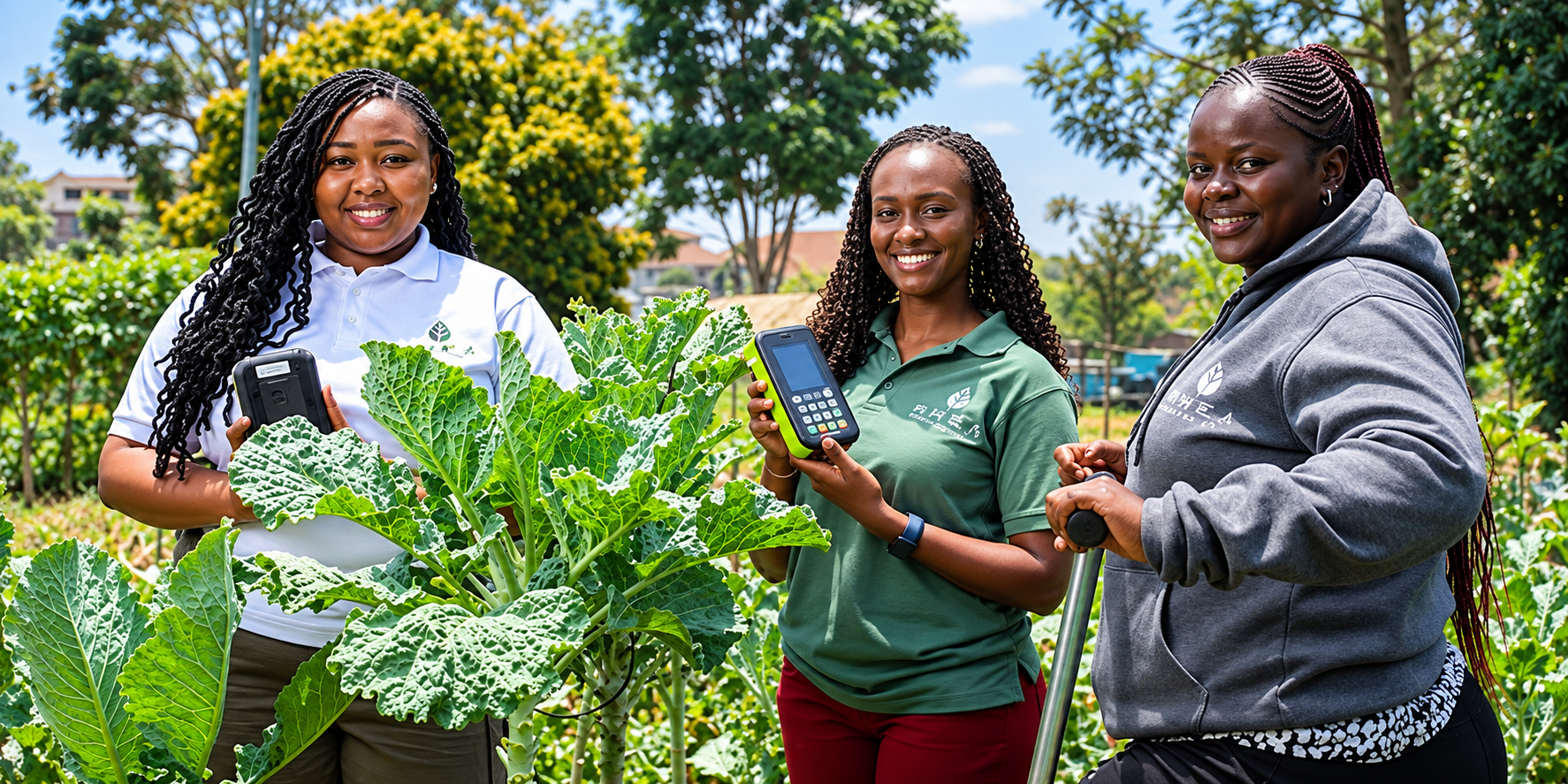
Rhea's flagship product is the RHEA AgriPad, a portable soil-testing device that combines sensors, software and machine learning to produce field-level soil data. Instead of collecting a sample, sending it to a laboratory and waiting for results, a farmer or agent can test on the spot.
A patent application filed in 2025 with the Kenya Industrial Property Institute describes a handheld kit that collects soil data, uses GPS and feeds a web-based system that recommends fertilizer. That detail points to the real product: the device is the front end of a recommendation service. The value to a farmer is not a pile of numbers about the soil. It is advice on what to apply, in what quantity, and where.
The company has summed up the idea in a simple line: farmers cannot optimize what they cannot measure. For many smallholders, soil is the least measured input on the farm, even though seed, fertilizer and labor are all paid for in cash.
Why soil testing matters for East African farmers
East Africa has millions of smallholder farmers working across very different soils, crops and climates. Many apply fertilizer by habit or by what a neighbor does, not by what their land needs. Over-applying wastes money and can harm soil over time. Under-applying lowers yields. Timely testing is scarce, and the traditional route of sending samples to a distant laboratory can mean waiting until the planting window has passed.
Portable testing changes the timing. If a farmer can learn the condition of a field before planting, the decision about fertilizer and crop choice can be made at the point where it counts. At scale, that could improve yields and cut input costs. It also supports broader goals around food security and soil degradation, which Obudu Capital highlights as the reason for backing Rhea.
What the milestones mean in practice
Each target in the funding agreement tests a different part of the business.
- Commercializing the AgriPad. Moving from a promising device to a product that can be built, priced and sold repeatedly. - Deploying 100 devices. Showing that the hardware holds up in real field conditions and that agents and farmers use it. - Reaching 5,000 farmers. Proving that the service can reach people at a meaningful scale, which is a different challenge from selling devices. - Expanding into Tanzania. Testing whether the model travels across borders with different regulations, languages, soils and farming practices.
These numbers are modest compared with the size of the opportunity, and that is deliberate. A $100,000 note is early capital. It is meant to prove the model before larger funding is raised.
The data opportunity
Beyond testing, Rhea has pointed to potential uses for its soil-performance data in agricultural finance, insurance and carbon markets. The logic is straightforward. Lenders and insurers struggle to assess smallholder risk because there is little reliable data about the land. Carbon programs need measurement of soil health over time. If Rhea builds a large, trusted dataset across East Africa, that information could become valuable to organizations beyond farmers themselves.
That possibility also raises questions the company will need to answer, including who owns the data, how farmers consent to its use, and how any benefit is shared with the people whose land generated it.
Risks and challenges
- Hardware in the field. Devices must be rugged, accurate and affordable, and they must be supported when they fail. - Trust in results. Farmers will act on the recommendations only if they trust the readings, which means accuracy must be demonstrated against laboratory results. - Distribution. Reaching smallholders across scattered rural areas depends on agents, cooperatives and partners. - Cross-border expansion. Each new country brings new rules, soil types and buyers. - Small capital base. $100,000 is not much for a hardware business, so milestones and further fundraising will matter.
What to watch next
- When Rhea launches in Tanzania and with which local partners. - How many AgriPad units are deployed and how many farmers are reached. - Whether independent testing supports the accuracy of the device. - Whether Rhea announces a larger funding round after the milestones are met.
The tecMAMBO take
Small cheques like this one are easy to overlook, and they shouldn't be. Soil data is one of the least glamorous and most useful problems in African agriculture, and Rhea is attacking it at the field level where decisions are made. The milestones are sensible because they test the business and not just the technology. Our concern is whether a $100,000 note is enough runway for hardware, agents and a new country at once. If the AgriPad proves accurate and farmers pay for the advice, the data layer behind it could become the real prize. Tanzania will tell us whether this travels.
FAQ
What is Rhea Soil Health Management?
It is a Nairobi-based agritech startup, founded in 2022, that provides affordable soil testing and fertilizer recommendations to smallholder farmers.
How much funding does Rhea have from Obudu Capital?
$100,000, structured as a convertible note and linked to milestones.
What is the AgriPad?
It is a portable soil-testing device that combines sensors, software and machine learning to generate field-level soil data.
Where is Rhea expanding?
Tanzania is the first target outside Kenya, and the company aims for wider East African reach.
What are the funding milestones?
Commercializing the AgriPad, deploying 100 devices, reaching 5,000 farmers and expanding into Tanzania.
Sources
Share this story
Enjoyed this? Share it with someone who'd appreciate it.
Ask MAMBO
Have a plain-English question about this topic? Send it in and we may answer it in a future guide.
Ask a questionRelated reading
High Court Orders Copia Kenya Into Liquidation After Two Years of Administration
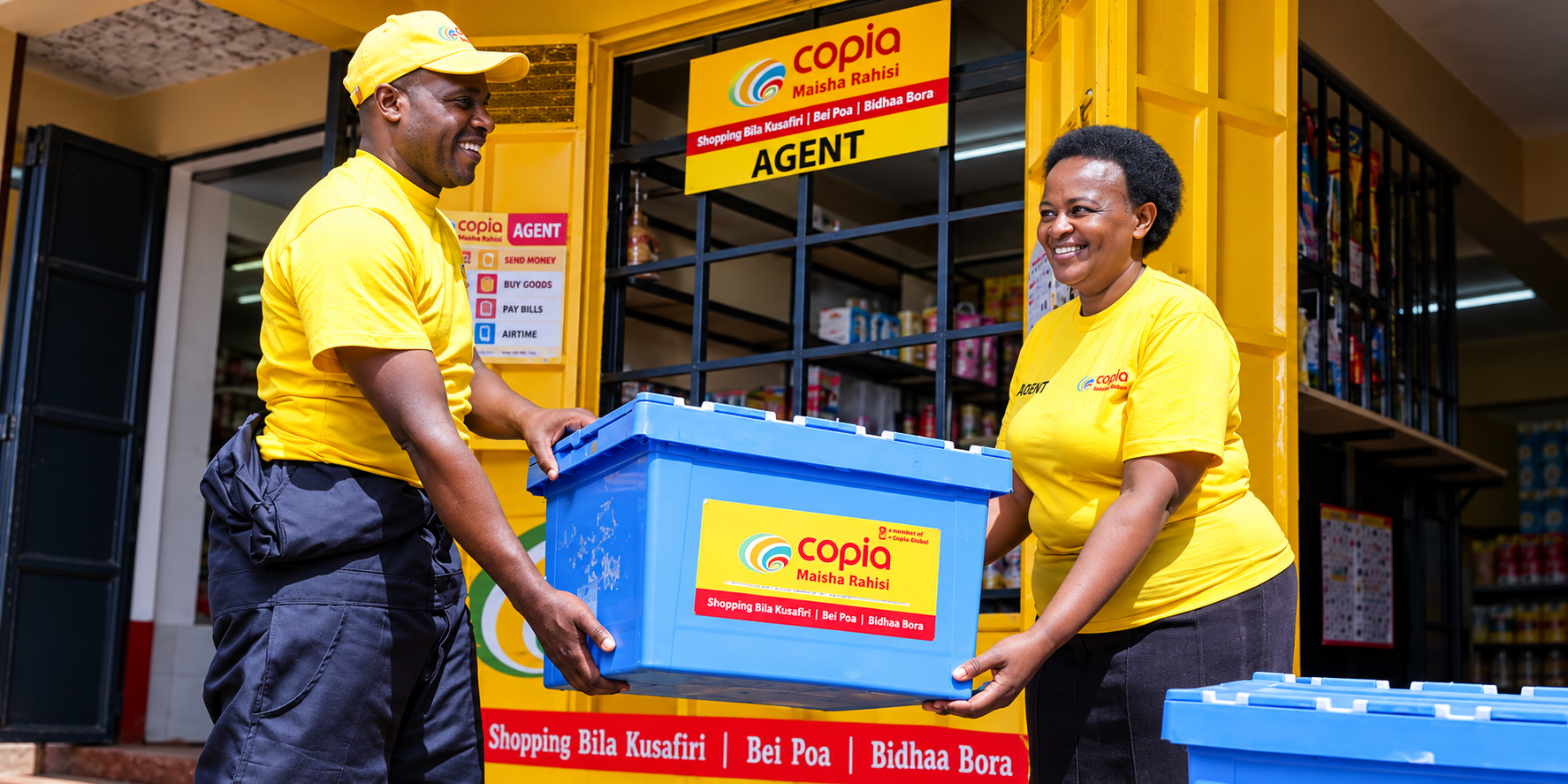
The High Court of Kenya has ordered social e-commerce startup Copia Kenya into liquidation. The order ends a two-year administration process during which the company failed to secure fresh turnaround capital or complete an asset sale. Copia had raised more than $123 million across eight funding rounds to serve rural and peri-urban shoppers before unsustainable operating costs caught up with it.

Inside Kenya's "Startup Graveyard": Twiga Joins a KES 93 Billion Wreckage, and One Number Complicates the Story
This is a labeled analysis piece, not neutral reporting.
Twiga Foods is in administration, and the paperwork traces years of trouble most people missed
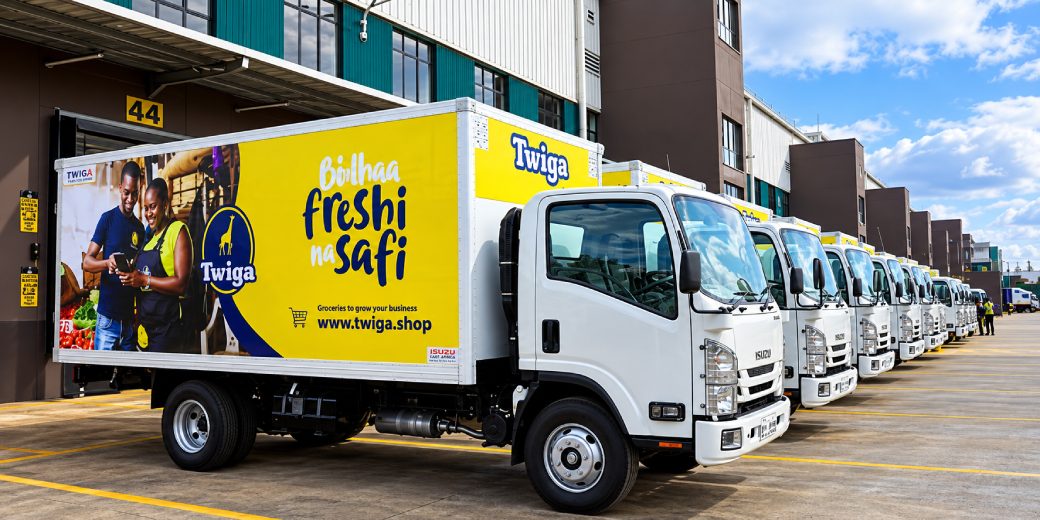
GT Flow Limited, the operating entity formerly known as Twiga Foods One Limited, entered statutory administration in Kenya on August 17, 2026, confirmed by a Kenya Gazette notice published September 11.