

High Court Orders Copia Kenya Into Liquidation After Two Years of Administration
Kenya's High Court has ordered Copia into liquidation after two years of administration. Here is what happened and what it says about African e-commerce funding.
Quick answer
The High Court of Kenya has ordered social e-commerce startup Copia Kenya into liquidation. The order ends a two-year administration process during which the company failed to secure fresh turnaround capital or complete an asset sale. Copia had raised more than $123 million across eight funding rounds to serve rural and peri-urban shoppers before unsustainable operating costs caught up with it.
What the court decided
The High Court of Kenya has formally ordered Copia Kenya into liquidation. Liquidation means the company's assets will be sold and the proceeds used to settle what it owes. The business will not return to normal trading.
The order follows a two-year administration. Administration is meant to give a struggling company breathing room to find new money, restructure or sell the business as a going concern. In Copia's case, neither a fresh injection of turnaround capital nor an asset sale was completed, and the court's order closes that chapter.
Who Copia served and what it tried to do
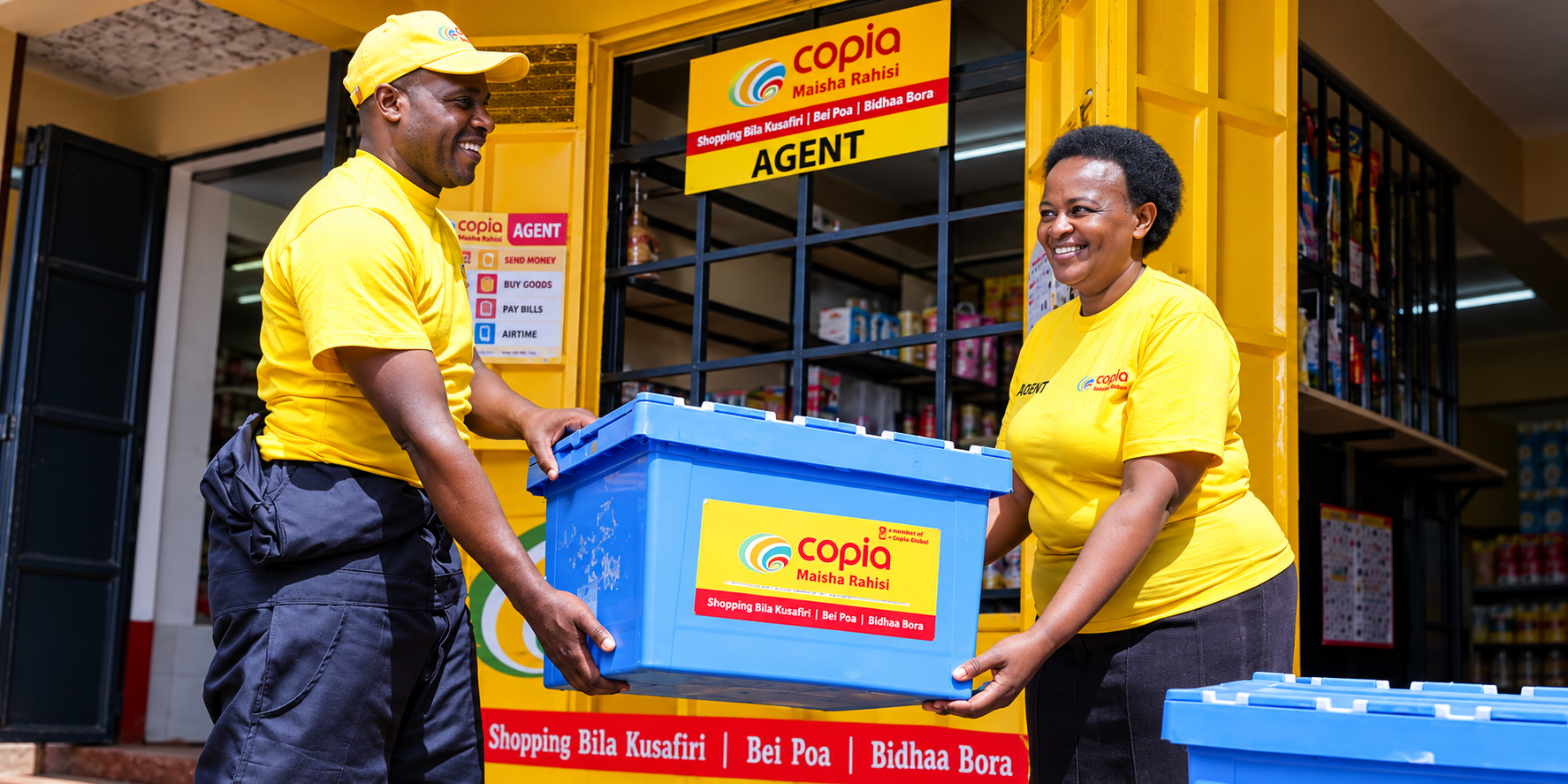
Copia positioned itself as a social e-commerce platform for people who were poorly served by conventional online retail: shoppers in rural and peri-urban areas. The model relied on agents and community networks that helped customers place orders and receive deliveries, rather than expecting every buyer to own a smartphone, a bank card and a street address that couriers could find.
That approach addressed a real gap. Millions of people in East Africa shop mostly in local kiosks and open-air markets, with limited access to the wider range of goods that city shoppers take for granted. A platform that could bring that range to them, at fair prices, had an obvious appeal.
The company raised more than $123 million across eight funding rounds. That is a large sum by the standards of East African startups, and it reflects how much investors once believed in the idea of reaching underserved consumers through e-commerce.
Why it struggled
The reported reason is that Copia succumbed to unsustainable operational overheads. The phrase covers a lot of ground in e-commerce, but the pressure points are well known.
- Logistics costs. Delivering small orders to scattered customers over long distances is expensive, and every failed or returned delivery adds to the bill. - Inventory and warehousing. Holding stock across many locations ties up cash, and unsold goods lose value. - Thin margins. Everyday goods leave little room once delivery, agent commissions and marketing are paid. - Customer acquisition. Reaching shoppers who are new to online buying often requires education, incentives and human support, all of which cost money. - Fundraising dependence. A business that relies on repeated funding rounds to cover losses is exposed when investors become more cautious.
When the company could not find turnaround capital, there was no cushion left. Two years in administration without a rescue deal or an asset sale tells its own story: buyers and new investors were not convinced that the business could be made to work at a sensible price.
The wider shift in venture capital
Copia's liquidation fits a broader change in how investors approach East Africa. Money has been moving away from capital-intensive e-commerce logistics and toward asset-light platforms that can show healthy unit economics early. In practical terms, investors now ask whether each order, each customer or each transaction makes money on its own, and they are slower to fund growth that depends on losing money on every sale.
The earlier era of startup funding often rewarded speed and scale above all else. The thinking was that once a company was big enough, costs per order would fall and profit would follow. For some businesses that is true. For businesses that move physical goods over poor roads to customers with modest incomes, the costs may fall more slowly than hoped, and the money can run out first.
Who is affected
A liquidation affects more than a balance sheet. Employees, suppliers, agents and customers who depended on the platform all feel the effect. Creditors will now look to the liquidation process for recovery, and the order in which different creditors are paid is set by law. The startup community will also watch how the process unfolds, and how the remaining assets, such as technology, brand and data, are handled.
It would be wrong to read the case as a verdict on e-commerce in East Africa as a whole. Online shopping continues to grow, and other retailers and marketplaces operate in the market. The narrower point is that a model built on heavy logistics and continuous fundraising carries a risk that lighter models avoid.
Lessons for founders and investors
- Prove the economics of one transaction first. Scale works best after a single order makes money, not before. - Be honest about last-mile costs. Delivery to remote customers is often the largest expense and the easiest to underestimate. - Plan for funding to slow down. A company should be able to survive a tougher fundraising climate for at least a period without collapsing. - Build alternatives to owning everything. Partnerships and asset-light structures can reduce fixed costs.
What to watch next
- How the liquidator handles the sale of remaining assets. - Whether any technology, brand or agent network is bought by another company. - Whether investors become more selective about logistics-heavy consumer startups in the region. - Whether surviving rivals adjust their own models in response.
The tecMAMBO take
Copia's story is a sober one. The idea of serving shoppers that big platforms overlook was sound, and $123 million is a lot of conviction. But money is not a business model. Reaching rural customers with physical goods is a cost problem first and a marketing problem second, and the company never solved it cheaply enough. We do not think investors will abandon African e-commerce. We think they will demand proof of unit economics much earlier, and founders who can show it will raise money more easily than those who promise to grow into profitability.
FAQ
Who ordered Copia Kenya into liquidation?
The High Court of Kenya.
How long was Copia in administration?
About two years.
How much did Copia raise?
More than $123 million across eight funding rounds.
Why did Copia fail to survive?
It could not secure fresh turnaround capital or complete an asset sale, and it faced unsustainable operational overheads.
Does this mean e-commerce is failing in East Africa?
No. The case points to the risks of capital-intensive logistics models, not to the end of online retail.
Sources
Share this story
Enjoyed this? Share it with someone who'd appreciate it.
Ask MAMBO
Have a plain-English question about this topic? Send it in and we may answer it in a future guide.
Ask a questionRelated reading

Inside Kenya's "Startup Graveyard": Twiga Joins a KES 93 Billion Wreckage, and One Number Complicates the Story
This is a labeled analysis piece, not neutral reporting.

Equity surged while Absa slipped in H1 2026, showing digital banking does not make every bank grow the same way
Equity Group's H1 profit rose 32% to KSh 45.5 billion while Absa Bank Kenya's fell 10% to KSh 10.5 billion. Digital adoption is only part of the story.

Uber's Glovo deal now faces the part regulators care about: antitrust
Uber's 14.8 billion dollar acquisition of Glovo parent Delivery Hero faces antitrust scrutiny across Kenya, Nigeria, and North Africa, where it would merge the top delivery rivals.