

India affordable EVs face the real mass-market test
India's EV market is increasingly focused on affordable small cars, with taxes, manufacturing costs and charging infrastructure shaping adoption.
Quick answer
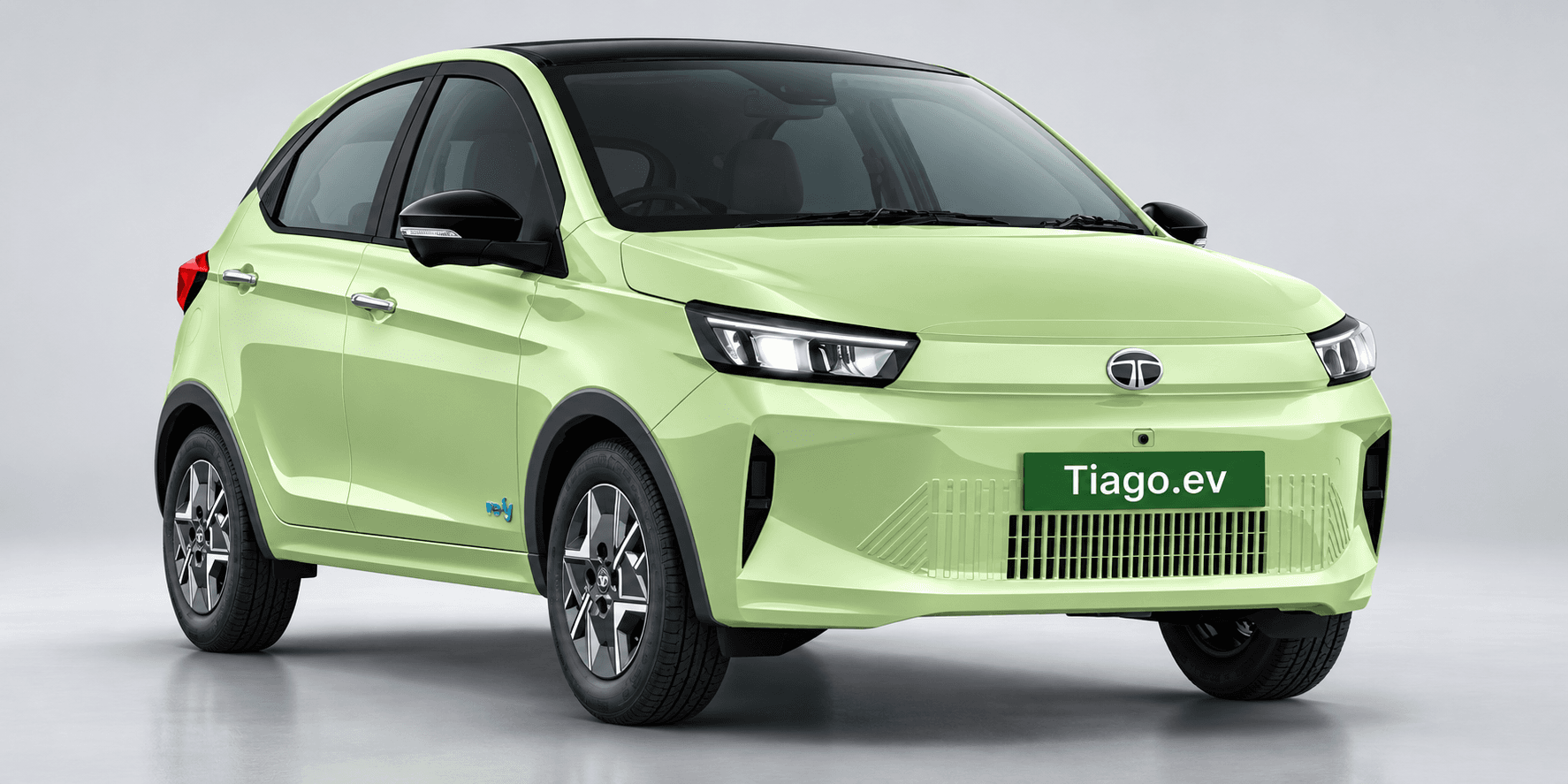
India's electric vehicle transition will not be decided by luxury cars alone. The harder question is whether ordinary urban buyers can afford electric cars at scale.
India's electric vehicle transition will not be decided by luxury cars alone. The harder question is whether ordinary urban buyers can afford electric cars at scale.
That is why the sub-₹10 lakh segment remains strategically important. Manufacturers such as Tata Motors and Mahindra are expanding their electric portfolios, while policymakers continue to consider how taxation, incentives and infrastructure can reduce the barriers to adoption.
Why the ₹10 lakh threshold matters
Price is a powerful filter in India's mass-market car market. An EV that costs substantially more than a conventional car can be difficult to justify even when its running costs are lower.
The upfront purchase price therefore matters as much as the long-term economics.
India's market is different
India has a strong two-wheeler culture, which means electric passenger cars compete not only with petrol and diesel cars but also with scooters and motorcycles.
Taxes can help, but they cannot solve everything
India's EV tax framework has historically provided advantages relative to many conventional vehicles. But tax relief alone does not create a mass-market EV. Manufacturers still need lower battery costs, efficient production, financing options and dependable charging.
Tata and Mahindra
Domestic manufacturers are expanding their EV portfolios. Tata Motors has established a major presence in electric passenger vehicles, while Mahindra is investing in new electric models.
The next competitive phase is likely to focus heavily on cost. The question is not merely whether an EV can be built. It is whether it can be built profitably at a price millions of buyers can accept.
Charging infrastructure matters
Affordable vehicles still need convenient charging. Homeowners, apartment residents, fleet operators and suburban commuters all have different requirements.
A mass-market EV strategy therefore needs charging to grow alongside vehicle sales.
Smaller batteries can be an advantage
An urban EV does not necessarily need a huge battery. If a driver travels a predictable distance each day and can charge overnight, a smaller pack may be sufficient.
That can reduce weight and cost.
The wider economic opportunity
Mass EV adoption can support local battery production, power electronics, software, charging infrastructure and vehicle manufacturing. That makes affordability an industrial issue as well as a consumer issue.
The tecMAMBO take
India's affordable EV challenge is an economics problem wrapped around a technology problem. The technology already works. The harder part is combining battery cost, manufacturing scale, financing and infrastructure into a package ordinary consumers can afford.
The companies that solve that equation may influence India's EV transition more than companies focused only on premium vehicles.
FAQ
Why are affordable EVs important?
They can bring electric mobility to a much larger group of mainstream buyers.
Why is ₹10 lakh significant?
It is a useful reference point for India's mass-market car segment.
Are Tata and Mahindra making EVs?
Yes. Both companies have expanding electric vehicle portfolios, with pricing varying by model and market.
Is India's EV market only about cars?
No. Electric two-wheelers are a major part of the country's electric mobility transition.
Sources
Share this story
Enjoyed this? Share it with someone who'd appreciate it.
Ask MAMBO
Have a plain-English question about this topic? Send it in and we may answer it in a future guide.
Ask a questionRelated reading
Nairobi E-Mobility Week opened at KICC, and Kenya's electric two-wheeler numbers explain why it matters
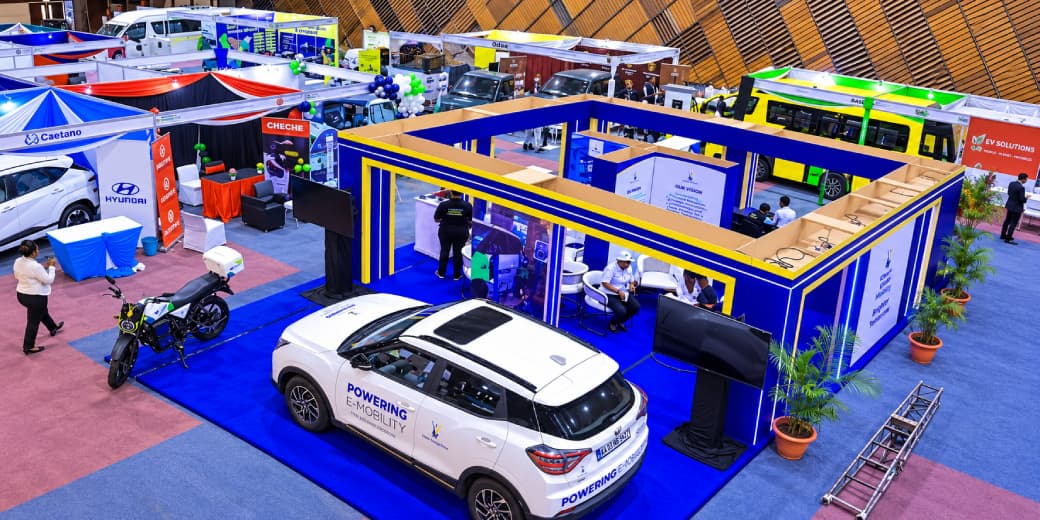
Nairobi E-Mobility Week 2026 launched at the Kenyatta International Convention Centre on September 14 and runs free to the public through September 19, organized by UNEP and Kenya's Ministry of Transport as part of UNEP's Global Electric Mobility Programme.

Kenya's proposed annual emissions test could clean the air, but gig drivers will feel the cost first
The Bill would require yearly emissions certificates and digital NEMA-linked testing. Cleaner air matters, but fees and repairs could hit ride-hailing and logistics workers hard.
NIO and Geely join forces on battery swapping and charging in China
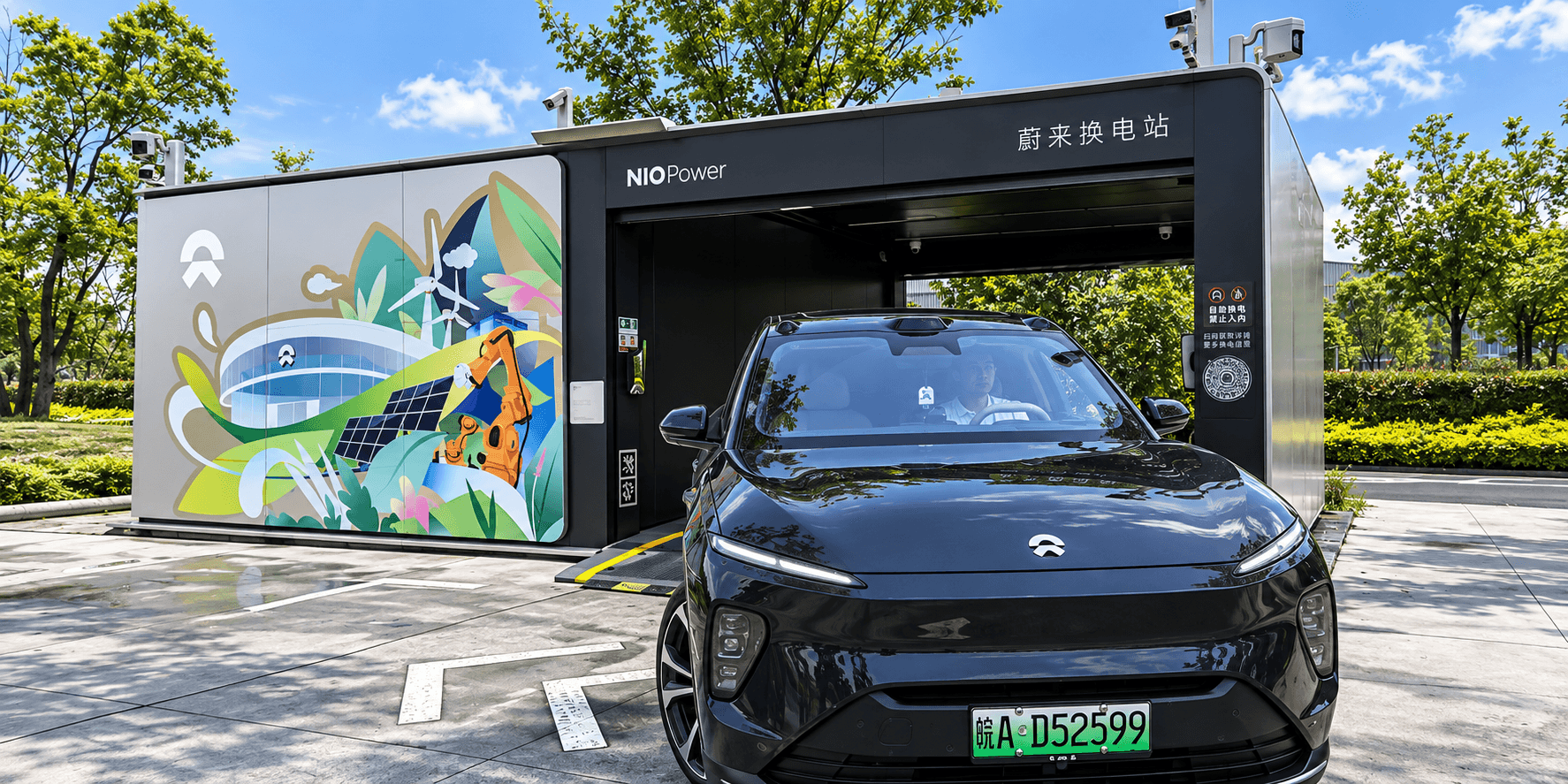
NIO and Geely are moving battery swapping closer to becoming shared infrastructure in China. The companies have entered a strategic partnership covering battery swapping, charging networks, technology and operating standards.