

KAM wants Kenya EV duty-free incentives linked to local assembly and jobs
The Kenya Association of Manufacturers wants EV tax incentives to support local assembly, component manufacturing and job creation.
Quick answer
Kenya's electric vehicle debate is moving from adoption to industrial policy. The Kenya Association of Manufacturers, KAM, wants the country's EV tax incentives and duty-free framework to be linked more closely to local assembly, component production and job creation.
Kenya's electric vehicle debate is moving from adoption to industrial policy. The Kenya Association of Manufacturers, KAM, wants the country's EV tax incentives and duty-free framework to be linked more closely to local assembly, component production and job creation.
The argument is that Kenya should use the shift to electric transport to build manufacturing capacity rather than become primarily a destination for fully built imports.
What KAM is asking for
KAM wants policy support to favor manufacturers that invest in Kenya. That can include assembly plants, supplier development, local content and jobs.
The association says more than US$400 million has already been invested across vehicle assembly, battery technology, charging infrastructure and related services.
Why local assembly matters
A locally assembled vehicle can create economic activity beyond the factory itself. Suppliers may provide steel, plastics, electronics, batteries, software, logistics and maintenance. Training and technical jobs can also grow around the industry.
But assembly alone is not the same as deep manufacturing. The amount of local content matters. A plant that imports nearly every component creates less domestic value than a supply chain that develops local inputs.
The affordability counterargument
There is a legitimate trade-off. Fully built imports can reach the market quickly and may be cheaper. Restricting incentives too aggressively could raise vehicle prices and slow EV adoption.
That creates a policy tension between affordable vehicles today and industrial capacity tomorrow.
Jobs and local value
KAM has argued that local assembly can support substantially more employment and retain more value in Kenya than a pure import model. The exact outcome will depend on the depth of local production and supplier participation.
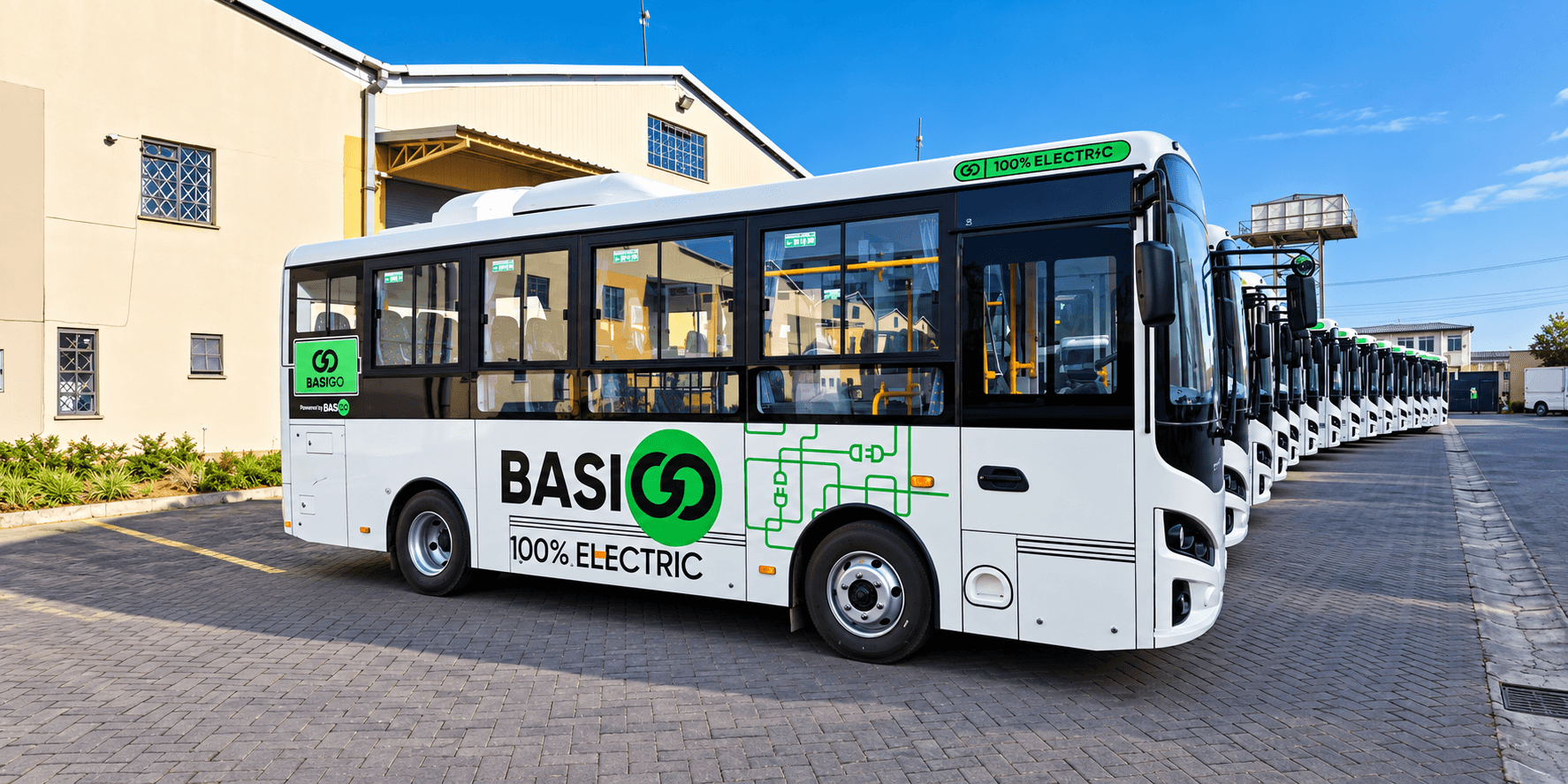
Electric motorcycles are already being assembled locally with reported local content of roughly 15% to 30%, while electric buses are being produced from Completely Knocked Down kits. Passenger vehicle assembly is also emerging.
Kenya could build around more than cars
Kenya's e-mobility opportunity includes motorcycles, buses, three-wheelers and passenger cars. That diversity could allow local companies to specialize in batteries, power electronics, charging equipment, software and fleet services even before the country reaches large-scale passenger car production.
The policy needs predictability
Manufacturing investment is long term. Companies need stable rules on taxes, standards, imports and incentives before they commit to factories and tooling. Sudden changes can make investors decisions.
That makes policy consistency almost as important as the size of the incentive.
The tecMAMBO take
KAM is raising a real industrial policy question. Cheap imports can accelerate EV adoption, while local assembly can create jobs and domestic capability. The challenge is designing incentives that do both where possible.
The strongest version of the policy would make local production commercially competitive rather than simply protected. That means infrastructure, skills, financing, standards and supply chains must improve alongside tax incentives.
FAQ
What does KAM want?
KAM wants EV incentives to be more closely linked to local assembly, manufacturing investment and job creation.
Could this make EVs more expensive?
Potentially, if locally assembled vehicles cost more than imported alternatives.
How much has been invested in Kenya's e-mobility sector?
KAM says more than US$400 million has been invested across the sector.
Why does local content matter?
Higher local content can retain more value in Kenya and support a wider supplier ecosystem.
Sources
Share this story
Enjoyed this? Share it with someone who'd appreciate it.
Ask MAMBO
Have a plain-English question about this topic? Send it in and we may answer it in a future guide.
Ask a questionRelated reading
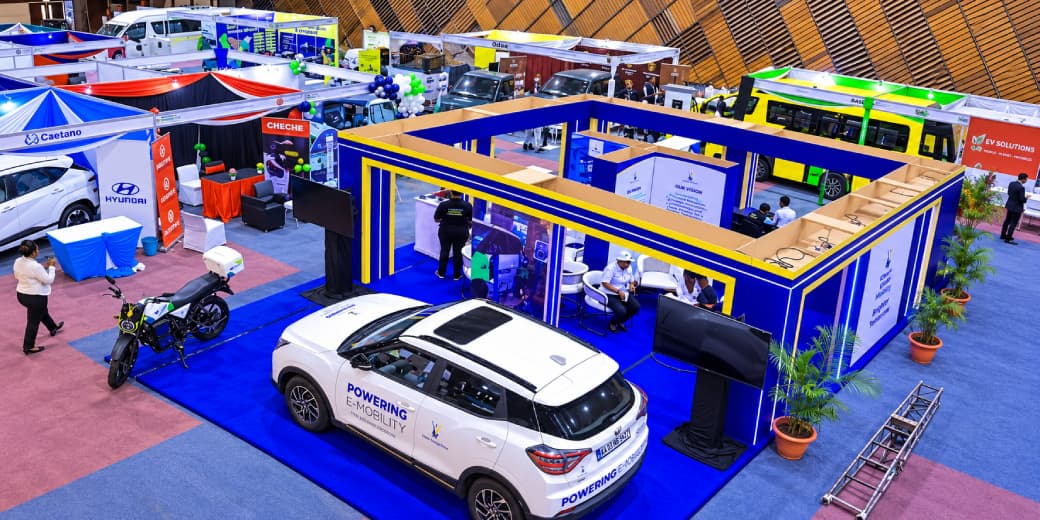
Nairobi E-Mobility Week opened at KICC, and Kenya's electric two-wheeler numbers explain why it matters
Nairobi E-Mobility Week 2026 launched at the Kenyatta International Convention Centre on September 14 and runs free to the public through September 19, organized by UNEP and Kenya's Ministry of Transport as part of UNEP's Global Electric Mobility Programme.

Kenya's draft AI policy sets out a framework for governing emerging technology
Kenya is moving toward a more formal framework for governing artificial intelligence. The Kenya Artificial Intelligence and Other Emerging Technologies Policy is being developed alongside the National AI Strategy 2025 to 2030 and is intended to guide responsible adoption across sectors.
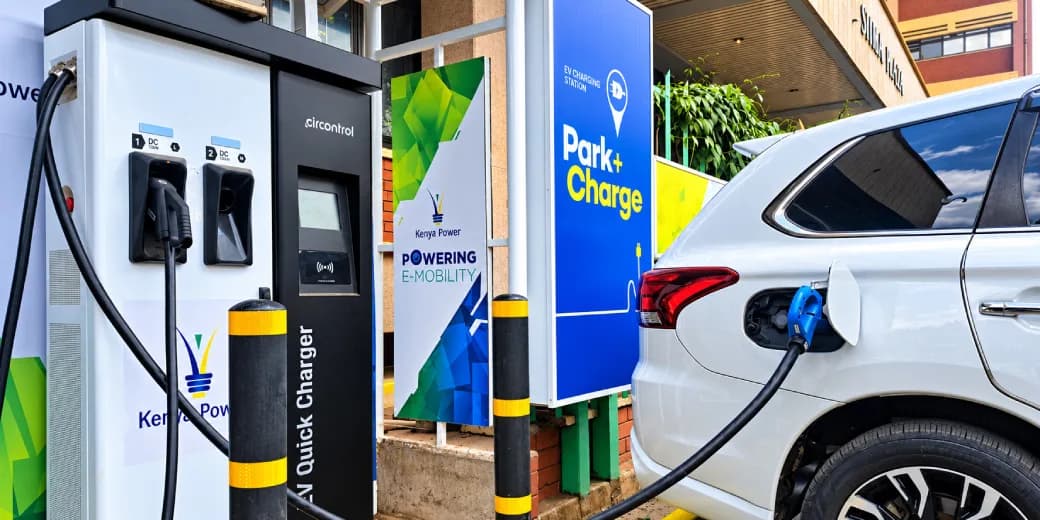
EPRA Removes Kenya's 15,000 kWh Monthly EV Charging Limit, Changing the Economics of Electric Mobility
Kenya's electric mobility industry has received a regulatory change that could materially affect the economics of charging infrastructure.