

iPhone Air review: the iPhone that asks what you're willing to give up
The iPhone Air is Apple's thinnest and most comfortable iPhone, but the camera, battery, speaker, and price trade-offs make it a niche buy.
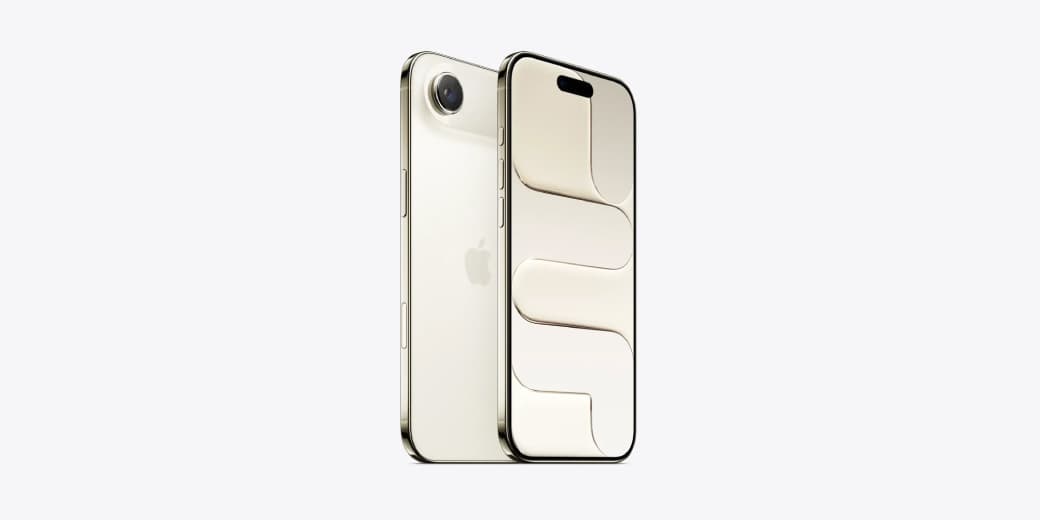
Research-based analysis. This assessment uses cited product information and independent reporting. tecMAMBO did not conduct an original hands-on test.
Research-based assessment
The iPhone Air is the most beautiful iPhone Apple has ever made and the nicest to hold, a genuine engineering achievement at 5.6mm and 165 grams. It is also a phone built on sacrifice: a single rear camera, the smallest battery in the range, and one speaker, at a price that sits awkwardly between two better options. Buy it if you are a light to moderate user who prizes design, comfort, and a phone that disappears in the pocket. Skip it if you are a photographer, gamer, heavy traveller, or power user.
- Stunning, genuinely thin and light design
- Premium, durable titanium build
- Bright 6.5-inch 120Hz display
- Fast A19 Pro performance
- Better battery than the pre-launch fear suggested
- Only one rear camera, so no ultrawide, telephoto, or macro
- Battery is fine but not for power users
- A single speaker
- Runs warm under sustained load
- Priced too close to the iPhone 17 Pro
The iPhone Air is Apple's thinnest phone ever, at 5.6mm and 165 grams, and published hands-on accounts consistently emphasize how different that feels. The catch, and the whole story of this phone, is everything Apple removed to get there. Thinness is never free. So rather than ask whether the Air is beautiful, which it plainly is, the useful question is whether the things Apple sacrificed are things you will miss.
Design and thinness
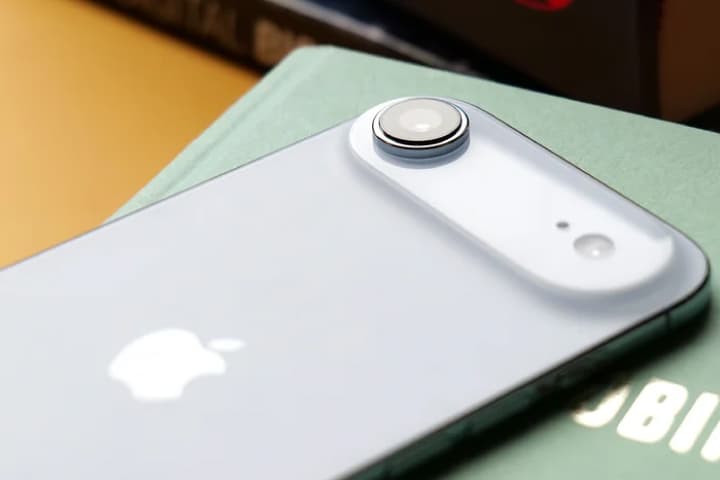
This is the reason the Air exists, and published reviews agree that it delivers. At 5.6mm and 165 grams it is around 30 percent thinner and 25 percent lighter than the standard iPhone 17, and independent reviewers report that the weight distribution makes it feel even lighter than the number suggests. The Grade 5 titanium frame and Ceramic Shield glass are designed to keep the body solid rather than fragile. Almost all the internals, including the single camera and the chip, live in a raised bar across the top that Apple calls the plateau, which means the phone rocks on a table and the camera area is much thicker than the rest. It is also only worldwide, with no SIM tray, and charges over . Published hands-on accounts describe it as exceptionally comfortable to hold, which matters if thinness is the main reason you are considering it.
Display
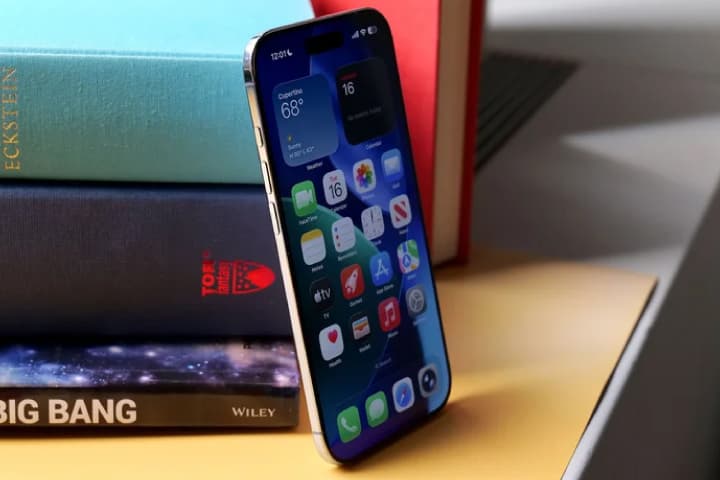
No compromise here. The 6.5-inch runs at a smooth 120Hz, gets bright enough to read in hard sunlight, and sits neatly between the iPhone 17 and the Pro Max in size. It is one of the best screens on any phone, full stop.
Performance and heat
The Air runs the A19 Pro chip with 12GB of , so for everyday use, apps, browsing, photos, and light games, it is fast and fluid. The honest asterisk is heat. To stay this thin, the Air drops the vapour chamber cooling found in the Pro and uses a chip with one fewer graphics core, so under sustained load, long gaming sessions or extended 4K video, it warms up and throttles back. For normal daily use you will never notice. If you are a heavy gamer, you will.
Camera
This is the biggest and least fixable compromise. The Air has a single 48- rear camera that covers 1x and a 2x crop, and an 18-megapixel front camera. Photos from that main lens are genuinely very good. But there is no ultrawide for landscapes and tight spaces, no telephoto for real zoom, and no macro. If you mostly point and shoot with the main camera, you may never feel the gap. If you regularly reach for the 0.5x ultrawide or zoom in on anything, this alone is a dealbreaker, and no software update will add a lens the phone does not have. In camera scope, the Air is closer to the entry-level iPhone than to the iPhone 17.
Battery life
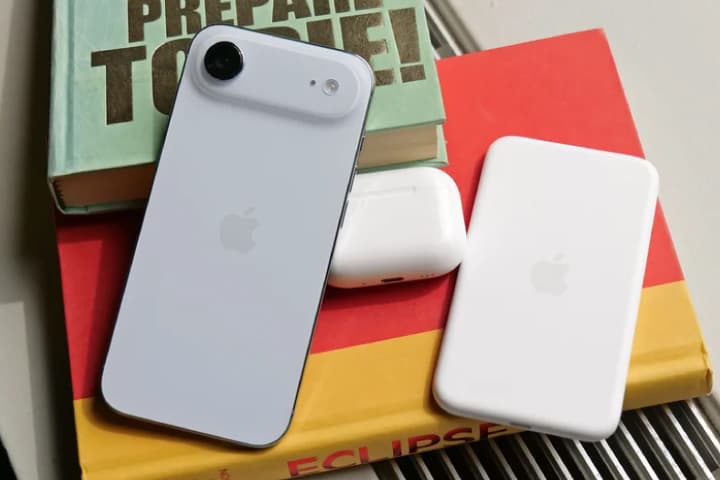
The Air carries the smallest battery in the lineup at 3,149mAh, and this was the pre-launch worry. The reality is better than feared: it comfortably gets through a day of light to moderate use, and it is not far off the standard iPhone 17. But it trails the Pro models by a few hours, and if you are a heavy user or travelling, you will find yourself reaching for Apple's MagSafe Battery, an accessory made specifically for the Air that costs extra. That is worth naming plainly, because a thin phone that sends you back to a battery pack is not really the lightest option in your bag anymore. For most people, though, a day of normal use is a day covered.
Durability and longevity
Despite how thin it looks, the titanium frame holds up, and the Air has passed the bend tests that sank a certain older iPhone. It feels solid. Two longevity notes matter more than the frame, though. First, the single camera and lone speaker will feel more limiting over a four or five year life than they do on day one, as expectations climb. Second, the Air sold below Apple's expectations, and Apple has reportedly held back the next version to redesign it, possibly adding a second camera, with a launch not expected before 2027. For resale, an underperforming model that is due a significant revision is a mild risk. If you keep phones for years, the fixed single camera is the limit you will feel.
Price and value
Here is the squeeze that decides it. The Air starts at 999 US dollars. The standard iPhone 17 costs 200 dollars less and gives you a second camera and near-identical everyday performance. The iPhone 17 Pro costs just 100 dollars more and adds three cameras, a bigger battery, and the better cooling. In Kenya, current listings put the 256GB iPhone Air from roughly KSh117,000 to KSh129,999, with some retailers showing wider ranges depending on and stock. In other words, you are paying a premium to lose features, in exchange for thinness alone. Whether that trade is worth it is the entire question, and for most buyers the maths points elsewhere.
The verdict
The iPhone Air is a beautiful, deliberate, niche phone, not the default iPhone. Buy it if thin and light is your single highest priority and you are a light to moderate user who lives on the main camera. If you want the best value, the iPhone 17 is the smarter buy. If you want the most capable phone, the 17 Pro is only slightly dearer. The Air asks what you are willing to give up. For the right person the answer may be not much, and gladly. For most people, the trade-offs are harder to justify.
Go deeper
A concise spec sheet for the iPhone Air.
- Thickness
- 5.6mm
- Weight
- 165g
- Display
- 6.5-inch OLED, 120Hz
- Chip
- A19 Pro, 12GB RAM
- Rear camera
- Single 48MP camera with 1x and 2x crop
- Front camera
- 18MP
- Battery
- 3,149mAh, USB-C, MagSafe
- Frame and resistance
- Grade 5 titanium, IP68
- SIM
- eSIM only
- Starting price
- 999 US dollars for 256GB. Current Kenya retail checks put the 256GB model around KSh117,000 to KSh129,999, depending on retailer and stock.
FAQ
Is the iPhone Air worth it?
It is worth it if thinness and comfort are your top priority and you are a light to moderate user. Most people get better value from the iPhone 17 or more capability from the 17 Pro.
Does the iPhone Air have good battery life?
It lasts a day of moderate use, better than many feared, but it trails the Pro models. Heavy users will want Apple's Air MagSafe Battery.
How many cameras does the iPhone Air have?
One 48-megapixel rear camera with 1x and 2x framing, with no ultrawide or telephoto, plus an 18-megapixel front camera.
How thin is the iPhone Air?
It is 5.6mm thick and weighs 165 grams, making it Apple's thinnest and lightest iPhone.
iPhone Air vs iPhone 17 vs 17 Pro?
The iPhone 17 costs 200 dollars less with two cameras. The 17 Pro costs 100 dollars more with three cameras, a bigger battery, and better cooling. The Air's real advantage is thinness and weight.
Sources
If you are drawn to thin phones, tell us what you would happily give up and what you would not.
Ask MAMBO
Have a plain-English question about this topic? Send it in and we may answer it in a future guide.
Ask a questionRelated reading
 MAMBO Explains
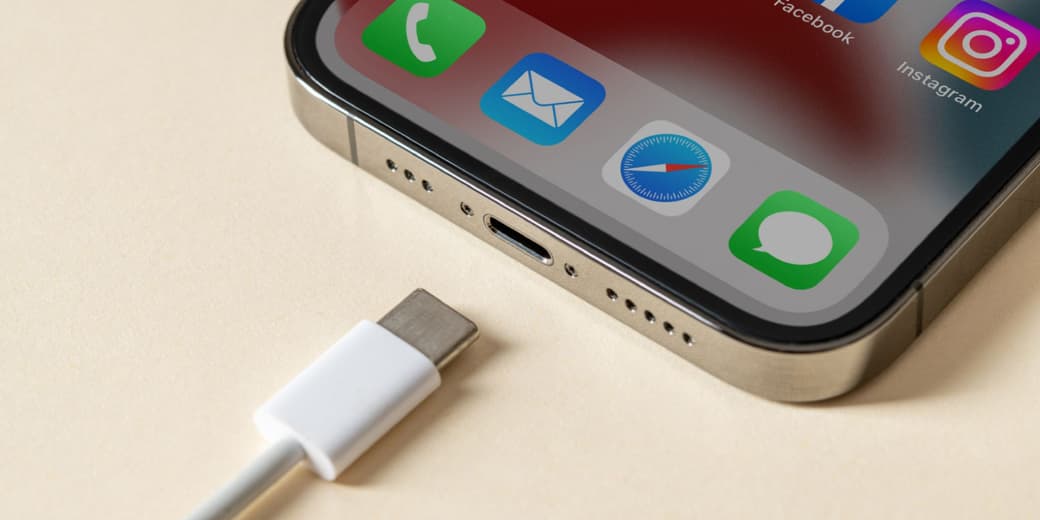
USB-C does not mean fast charging. Here is the right charger for your iPhone or iPad
Two USB-C cables can look identical and behave differently, but the charger and device limit usually decide iPhone charging speed. Here is the practical buying guide.
 MAMBO Take
India wants to lock in electronics manufacturing until 2041, and Apple is a major reason why
India proposes extending tax exemptions for foreign electronics suppliers to 2041 as it scales smartphone, laptop, tablet and wearable manufacturing.
 MAMBO Take
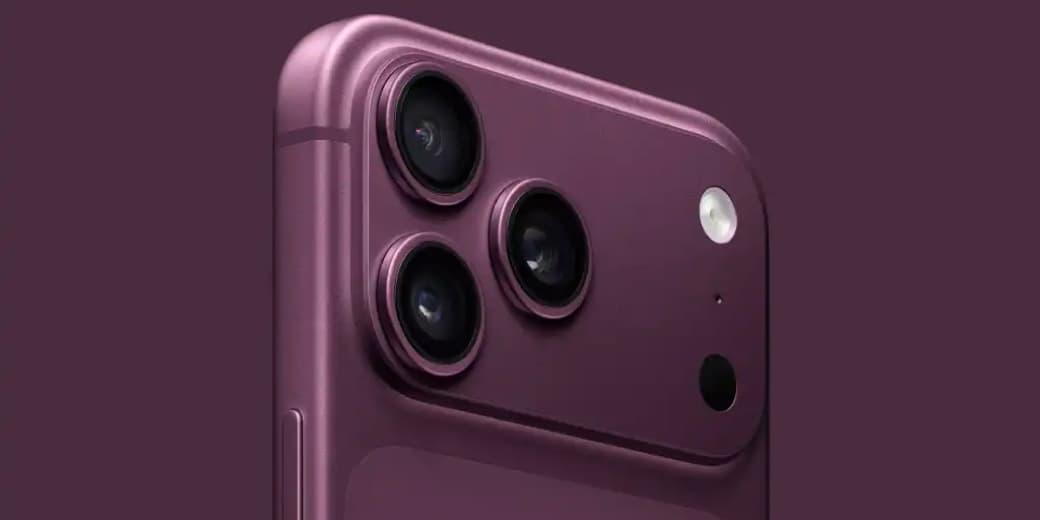
Apple's 2026 iPhone plan could leave budget buyers waiting until 2027
A split launch would turn Apple's biggest 2026 phone event into a premium-only season and push value-conscious buyers toward older iPhones or Android.