

Apple's 2026 iPhone plan could leave budget buyers waiting until 2027
A split launch would turn Apple's biggest 2026 phone event into a premium-only season and push value-conscious buyers toward older iPhones or Android.
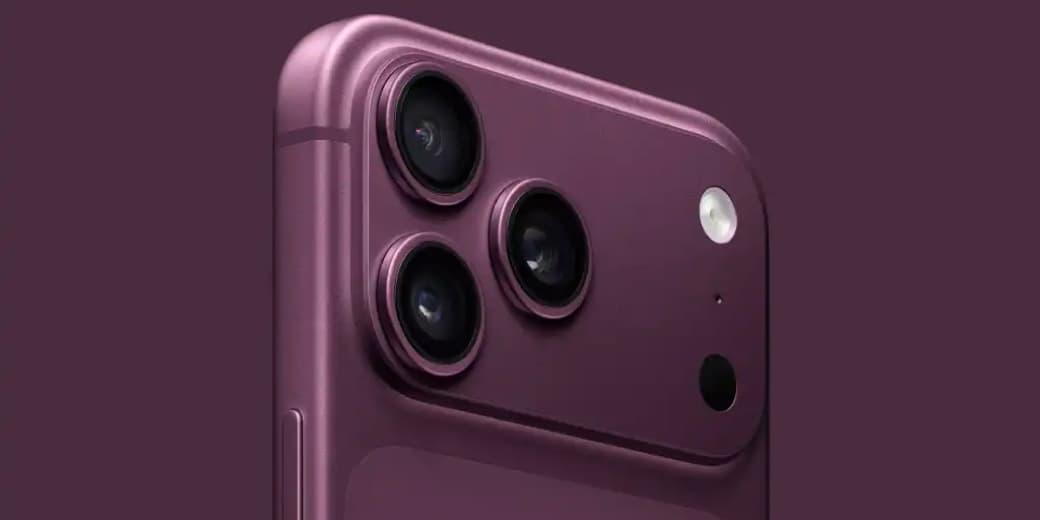
Apple is reportedly preparing an unusual split iPhone launch.
The iPhone 18 Pro, iPhone 18 Pro Max and the company's first foldable iPhone may arrive in late 2026. The standard iPhone 18, a cheaper iPhone 18e and a second-generation iPhone Air may not follow until early 2027.
Apple has not confirmed the schedule.
If the reports are accurate, the company's biggest launch season will offer only expensive new iPhones. That changes the meaning of waiting for the next generation.
What you need to know
- Apple has not officially confirmed the split launch.
- Reports point to premium models in September 2026.
- Standard and more affordable models may follow in early 2027.
- The first foldable may use the iPhone Ultra name.
- The newest 2026 iPhone could start above the normal standard-model price.
- Older iPhones will remain available.
- Kenyan prices will depend on tax, import costs, exchange rates and local .
The reported schedule should be read beside the iPhone 18 Pro variable-aperture reports and the wider component squeeze covered in our Qualcomm chip-pricing guide.
Why Apple would split the iPhone launch
The iPhone lineup has become crowded.
Apple now needs to position standard, Pro, Air, budget and older models without making the range confusing. A split schedule can give premium products more attention, reduce supply pressure and create two distinct buying seasons.
The foldable iPhone may also be difficult to manufacture at scale. Foldable displays, hinges and new internal layouts can constrain early production.
Launching fewer models together gives Apple more room to manage supply and focus marketing.
The strategy is commercially logical. It is less friendly to buyers who wait for September expecting the latest affordable option.
A premium-only launch changes the psychology
Apple's annual event normally resets the entire iPhone market.
The newest standard model becomes the reference point. Older models receive price cuts. Buyers compare the Pro version with the standard device.
A premium-only event creates a different ladder.
The new phones sit at the top. More affordable buyers choose last year's hardware, a refurbished model or Android.
Apple benefits if buyers stretch their budgets upward. It risks making the newest generation feel exclusive rather than universal.
The launch would no longer say, "Here is the new iPhone."
It would say, "Here are the new iPhones for people who can comfortably pay more."
Why this matters in Kenya
Kenyan iPhone prices already sit well above direct US conversion after tax, shipping, exchange rates and retailer margins.
A premium-only 2026 lineup would make the newest generation inaccessible to more buyers.
The foldable could be particularly expensive. First-generation foldables also carry uncertainty around screen , replacement parts, accessories and local repair.
A Kenyan buyer may get better value from:
- A discounted iPhone 17
- A new iPhone 17e
- A reputable Pro model
- A premium Android phone
- Waiting for the standard iPhone 18
The newest device is not automatically the best ownership decision.
It is often the most expensive way to discover which compromises Apple plans to correct next year.
What is the reported iPhone Ultra?
Reports suggest Apple's first foldable may use the iPhone Ultra name.
The device is expected to use a book-style design with an outer display and a larger inner display.
Potential benefits include:
- Better multitasking
- A tablet-like workspace
- Larger reading and video area
- Premium materials
- Strong integration with Apple's ecosystem
The risks are familiar:
- High price
- Weight
- Display crease
- Costly repair
- First-generation software limits
- Limited production
Apple will enter a foldable market where Samsung, Google, Honor, Huawei and others have years of experience.
Its advantage is ecosystem integration.
Its disadvantage is that buyers already know what mature foldables should do.
Could a delayed affordable model be better?
Possibly.
Additional development time could improve , manufacturing yield and product differentiation.
Apple may also use the lower-cost model to introduce technology after premium production becomes more efficient.
The concern is strategic segmentation.
Apple may have learned that launching an affordable model beside the Pro range reduces the number of buyers who stretch upward.
Holding it back could improve premium sales.
A product roadmap is engineering.
It is also behavioural economics with polished lighting.
What happens to older models?
Apple will likely keep older iPhones on sale.
That provides a lower price entry point and helps the company avoid a complete gap.
Older devices can still be excellent purchases because Apple provides long software support.
Buyers should compare:
- Remaining update years
- Battery condition
- Camera needs
- Repair options
- Warranty
- Price difference
A previous-generation iPhone with 256GB storage may be a better buy than a new model with fewer practical benefits.
The word "old" loses much of its sting when the phone still receives security updates and works well.
Should you wait?
Wait when:
- Your phone works well
- You want the foldable
- You need confirmed prices
- You want the standard iPhone 18
- You expect older models to fall in price
Buy now when:
- Your current phone is failing
- A suitable current model is discounted
- The device has local warranty
- The storage and features meet your needs
- You intend to keep it for several years
Avoid buying through expensive debt merely to own the newest model.
A smartphone should improve your financial life, not become a monthly reminder that marketing won.
What Apple risks
A premium-only launch may increase revenue per device.
It could also push value-conscious users toward Android, especially where Samsung, Xiaomi, TECNO, OPPO and others offer strong midrange options.
Apple's ecosystem creates loyalty, but price remains real.
Users can upgrades longer. They can buy refurbished devices. They can choose a cheaper platform.
The strategy works only if enough buyers accept that the latest generation deserves a higher entry price.
The tecMAMBO take
A split launch would be one of Apple's most important smartphone strategy changes in years.
It would turn 2026 into the year of premium iPhones and 2027 into the year of the mass-market refresh.
That may improve Apple's margins and manufacturing.
For buyers, the message is simpler.
You are not late.
Apple may be making you wait.
FAQ
Has Apple confirmed the split launch?
No. The schedule is based on reports and leaks.
Which iPhones may launch in 2026?
Reports point to the iPhone 18 Pro, iPhone 18 Pro Max and a foldable iPhone.
When could the standard iPhone 18 launch?
Reports suggest early 2027.
Is iPhone Ultra the confirmed name?
No. It is a reported possible name for Apple's first foldable.
Should Kenyan buyers wait?
Buyers with a working phone may benefit from waiting for confirmed specifications, prices and local availability.
Sources
Share this story
Enjoyed this? Share it with someone who'd appreciate it.
Ask MAMBO
Have a plain-English question about this topic? Send it in and we may answer it in a future guide.
Ask a questionRelated reading

Everything Apple actually announced at its September event, and the one thing it didn't
Apple's "Surprise and Shine" keynote on September 9, 2026, the first hosted by new CEO John Ternus, announced five new products: the iPhone Duo (Apple's first foldable, starting at $1,999), the iPhone 18 Pro ($1,199) and iPhone 18 Pro Max ($1,299), and the Apple Watch Series 12 ($399) and Watch Ultra 4 ($799).
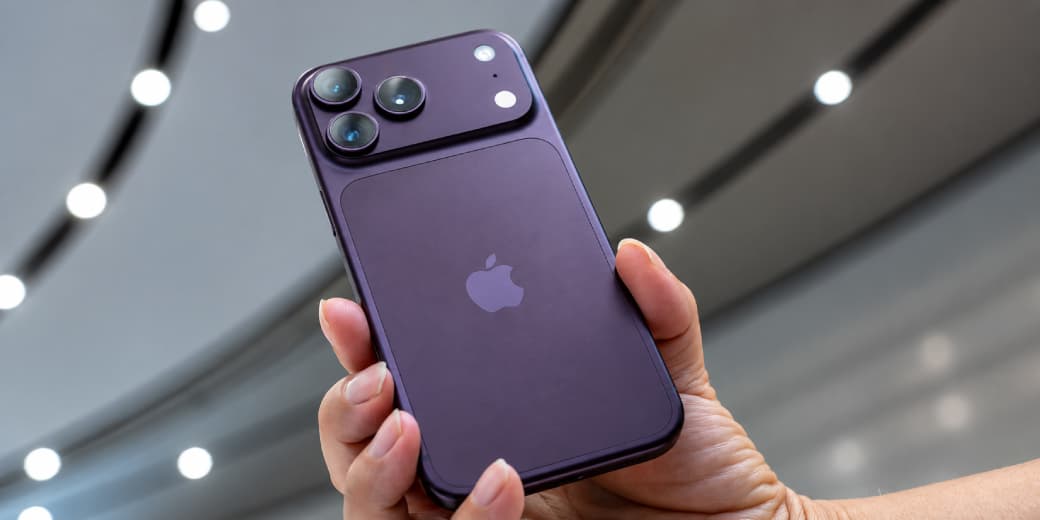
The iPhone 18 Pro Max sold in the US is quietly different from every other one in the world
Every iPhone 18 Pro, in every country including the US, uses Apple's own C2 modem.

Apple raised iPhone prices $100, and absorbed a bigger hike itself to keep it that low
Apple raised the starting price of the iPhone 18 Pro to $1,199 and the iPhone 18 Pro Max to $1,299, both $100 more than their iPhone 17 predecessors, and simultaneously discontinued the iPhone 17 Pro and Pro Max.