

Xpeng's G9L turns the electric SUV into a private lounge on wheels
The G9L is not competing only on range and acceleration. It is selling the cabin as a mobile living room, office and rest space.
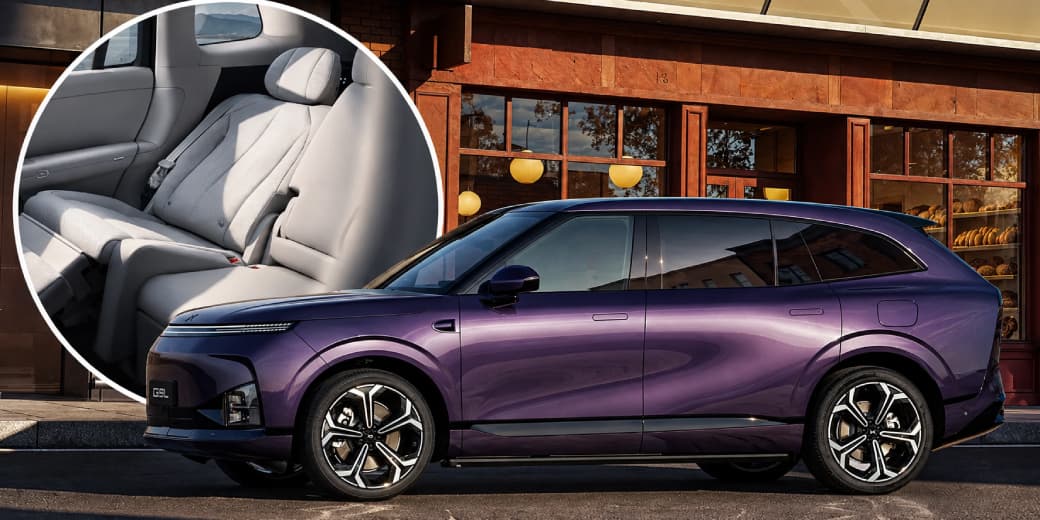
Xpeng has revealed the interior of the G9L, a full-size five-seat electric crossover built around an increasingly popular Chinese luxury idea: the car is no longer only transport.
It is also a meeting room, cinema, dining space, rest area and mobile technology showroom.
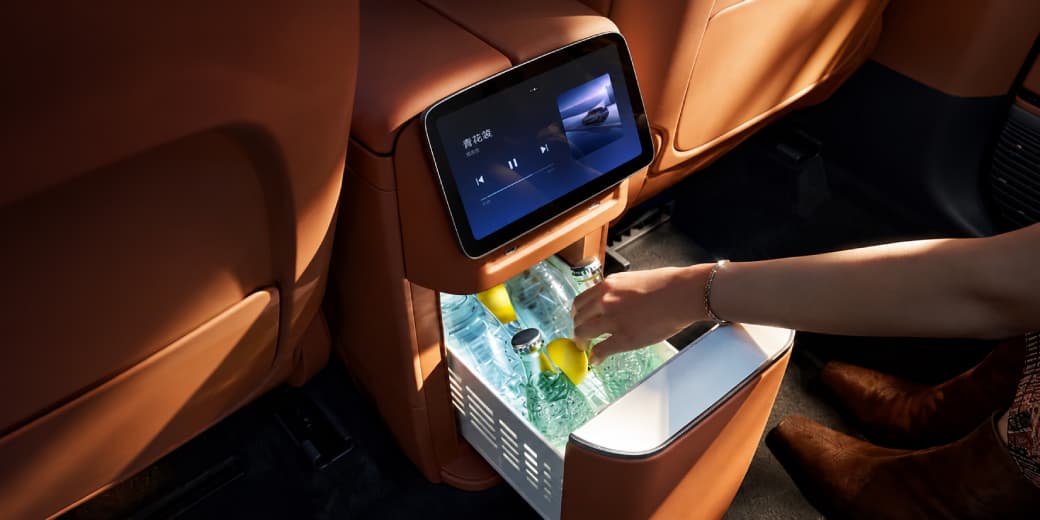
The G9L includes a voice-controlled 12.5-litre refrigerator, folding tables, a rear display, ambient lighting and zero-gravity seating for the front passenger and right-side rear passenger.
The specification sounds excessive until you consider how people actually use large premium vehicles. Executives work between meetings. Families wait during school activities. Chauffeured passengers spend hours in traffic. Electric vehicles can power climate control, displays and accessories without an idling engine.
Xpeng is turning that idle time into the product.
What you need to know
- The G9L is a five-seat full-size battery-electric crossover.
- Its cabin includes a voice-controlled 12.5-litre refrigerator.
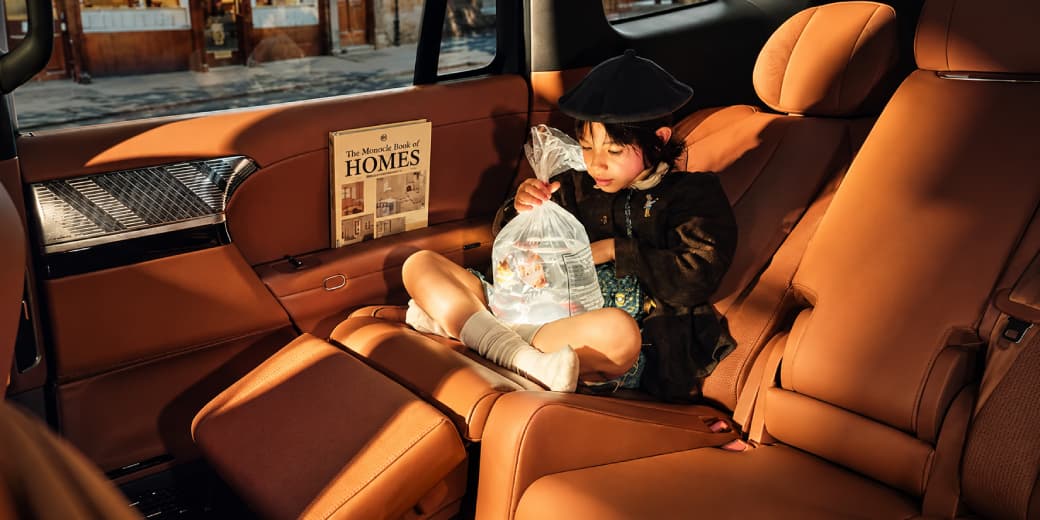
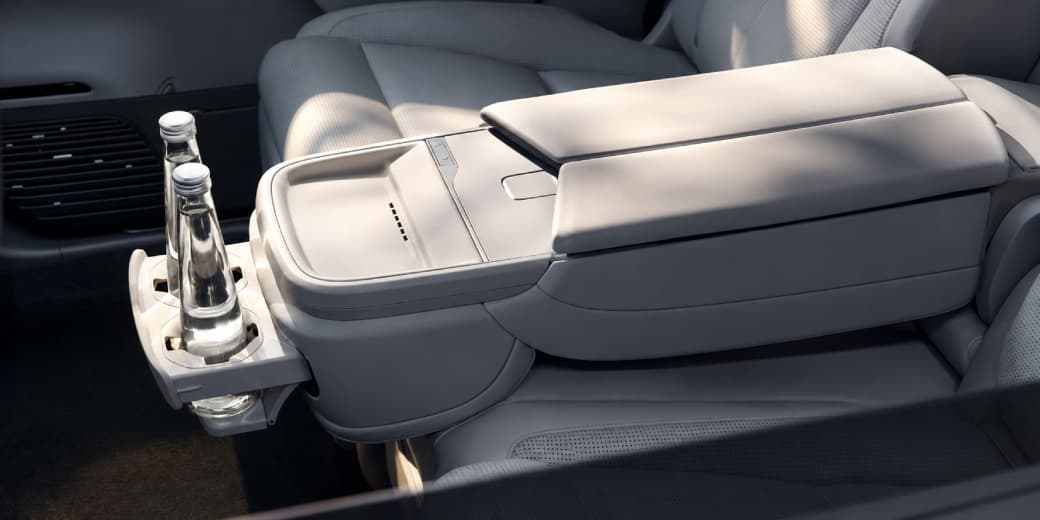
- The rear centre seat can become an armrest with cup holders, controls and a rotating table.
- Zero-gravity seating is available for the front passenger and right-side rear passenger.
- A large rear entertainment screen and electrically operated sunshades are included.
- Xpeng says the 800V system can add a large amount of claimed range in a short charging session.
- Pricing, export plans and independent real-world tests remain important unknowns.
For the infrastructure reality behind ambitious electric vehicles, see why electric motorbikes can matter more than flashy EV launches and how BasiGo's growth meets the grid question.
Why Chinese EV interiors are changing so quickly
Traditional premium car design focused on leather, wood, ride quality and engine refinement.
Chinese electric-vehicle makers are adding another layer: domestic electronics.
The cabin borrows from smartphones, business-class airline seats, home entertainment and smart appliances. Large displays, voice assistants, refrigerators, massage seats and fold-out work surfaces are becoming normal at the upper end of the market.
The change is partly cultural and partly competitive.
China has many capable EV brands using similar battery packs, motors and suppliers. A company needs visible reasons for a buyer to choose its model. Cabin technology is easier to experience in a showroom than a small improvement in motor efficiency.
The result is a specification race where the second row receives as much attention as the driver's seat.
Is the 12.5-litre fridge useful?
It can be.
A built-in fridge can store water, medication, baby food, snacks and drinks without a loose cooler occupying the boot.
Voice control is convenient when the fridge is positioned behind or between seats. The passenger can change a setting without reaching into a menu.
The useful questions are less glamorous:
- How quickly does it cool?
- Can it heat as well as cool?
- How much energy does it use?
- Does it continue operating while parked?
- Can it be cleaned easily?
- Does it produce condensation?
- What happens after a spill?
- Is it repairable outside China?
A fridge that works well becomes a genuine convenience.
A fridge that stops cooling after three years becomes a very expensive box.
What is a zero-gravity seat?
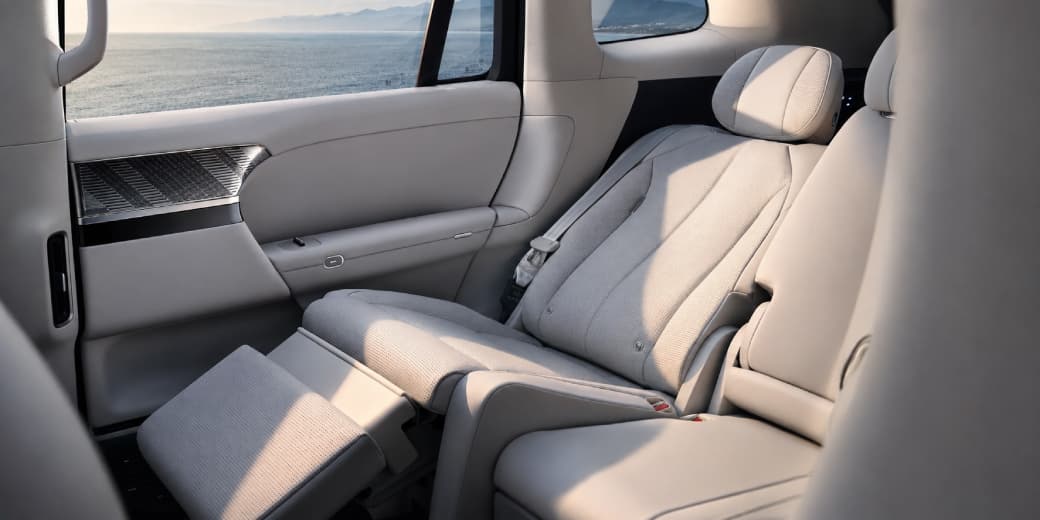
The phrase comes from a reclined posture that distributes body weight and reduces pressure on the lower back.
In a vehicle, motors coordinate the seat back, cushion and leg support to create a relaxed position.
The G9L's unusual feature is offering the posture to both the front passenger and a second-row passenger.
It signals that the vehicle is designed for owners who may be driven rather than always driving themselves.
Still, safety matters. A deeply reclined passenger may not be in the safest position during a collision. Manufacturers usually restrict certain seat functions while the vehicle is moving or design restraint systems around approved positions.
The comfort claim needs independent crash and usability evidence.
Why five seats instead of six or seven?
A full-size crossover is often expected to carry three rows.
Xpeng has chosen five seats and used the extra space to create a more luxurious second row.
That decision reflects a premium market where generous legroom can matter more than occasional passenger capacity.
The G9L's rear middle seat remains available, but it can fold into a large armrest with cup holders, , physical controls and a rotating table.
This gives the vehicle two personalities.
It can carry five people when needed. With fewer passengers, it behaves like a four-seat executive lounge.
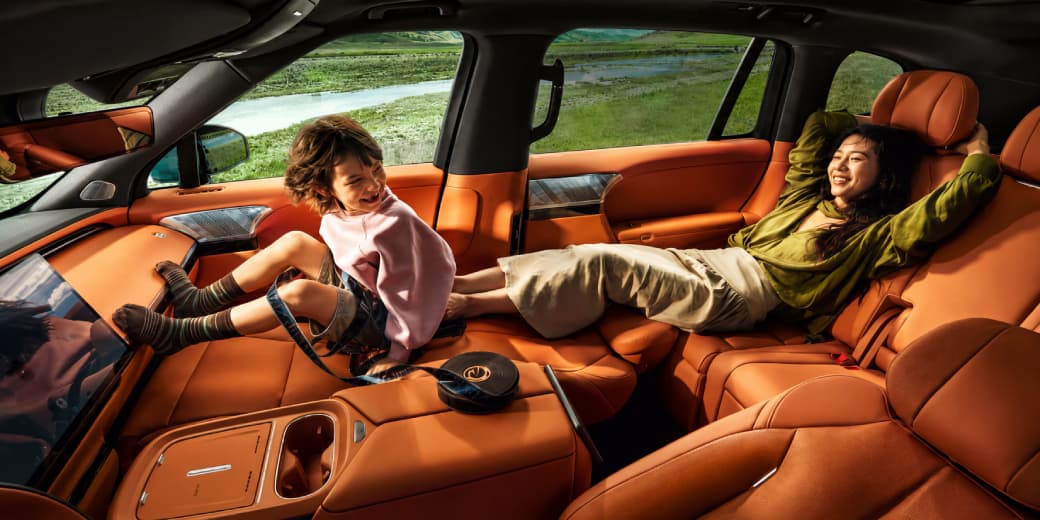
The compromise is obvious. A large family may prefer three rows. A chauffeur-driven buyer may never miss them.
The folding-table problem
Tables look excellent in product images.
Real vehicles need them to survive potholes, braking, spilled drinks, laptop weight and years of vibration.
A useful automotive table needs strong hinges, easy locking, rounded edges, stable support, safe collapse in a crash, space for knees and a scratch-resistant surface.
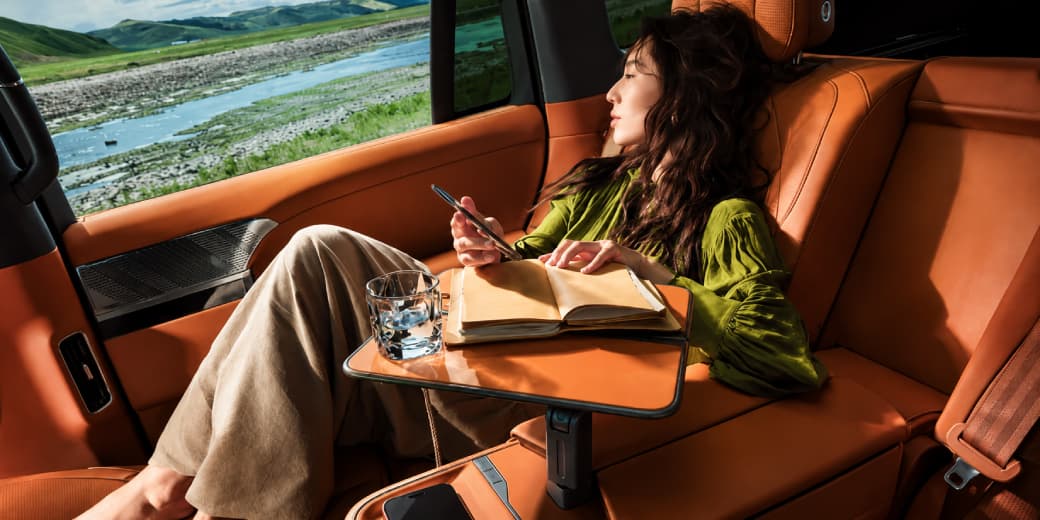
The G9L's rotating table could be valuable for work and meals.
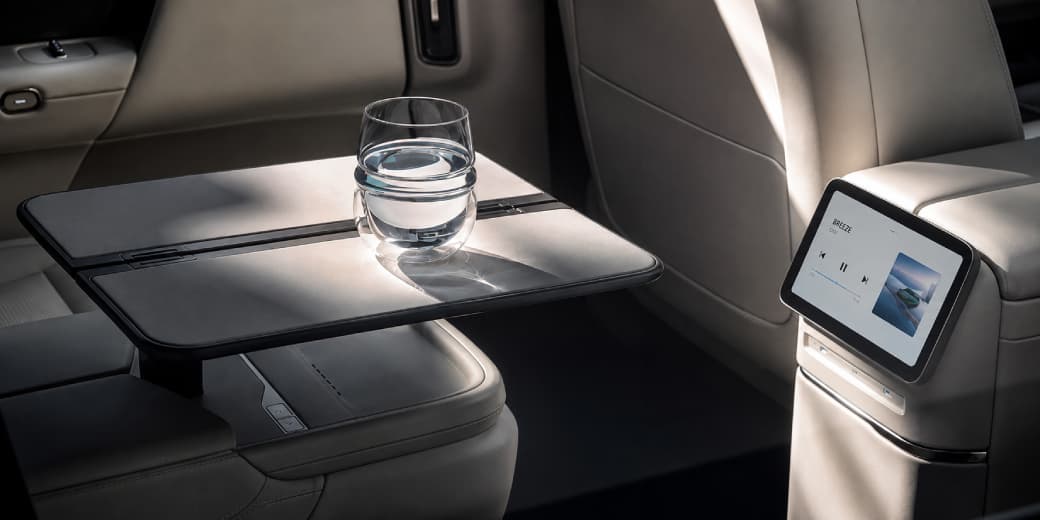
It could also become another mechanism that rattles after long use.
Luxury is not the number of moving parts.
It is whether they still move quietly after 100,000 kilometres.
Does more cabin technology improve the car?
Not automatically.
A premium interior can become frustrating when basic controls disappear into software. Xpeng appears to retain some physical controls in the rear armrest, which is encouraging.
The best cabin combines physical controls for frequent actions, voice control for convenience, touchscreens for complex settings and clear feedback.
A car should not require the passenger to create a profile before changing the temperature.
Chinese EV makers are often praised for digital features. Their long-term test will be restraint.
The charging claim needs context
The G9L uses an 800V electrical architecture.
Xpeng says it can add around 450 kilometres of claimed range in nine minutes under suitable conditions.
That number depends on compatible high-power charging, battery temperature, starting charge level, charging curve, local test cycle, weather and station availability.
A peak charging figure is not the same as the average speed across a normal stop.
The architecture is still valuable. High-voltage systems can reduce current, improve charging performance and help manage heat.
The practical benefit depends on the public network.
A nine-minute capable vehicle connected to a slow charger remains a vehicle waiting politely.
What does this mean for established luxury brands?
Xpeng is not only competing with other Chinese EV makers.
It is challenging how Mercedes-Benz, BMW, Lexus, Range Rover and Porsche define premium value.
Traditional brands have decades of expertise in materials, suspension, safety and dealer service. Chinese challengers are moving faster on software, screens, charging and passenger-focused features.
The strongest luxury product will combine both worlds.
A fridge cannot compensate for poor ride quality. A famous badge cannot compensate for dated software and slow charging forever.
Consumers increasingly expect the cabin to feel as considered as a premium home device.
That pressure benefits buyers, although it also creates more hardware that can fail outside .
Could this type of EV work in Africa?
The cabin concept could appeal to executives, hotels, tourism operators and premium transport businesses.
The infrastructure challenge is larger.
Buyers would need reliable charging, local warranty support, replacement parts, software connectivity, battery diagnostics, trained technicians, clear import documentation and resale confidence.
A complex interior multiplies the number of systems that may need service.
The G9L may demonstrate where global premium vehicles are heading even if it never becomes a common Kenyan import.
Chinese innovation increasingly influences the expectations attached to every luxury vehicle.
Mercedes, BMW, Range Rover and Lexus are no longer competing only with one another.
They are competing with a refrigerator that understands voice commands.
The tecMAMBO take
Xpeng's G9L shows that the EV competition has moved beyond range and acceleration.
The cabin is now the battlefield.
That creates useful innovation, especially for passengers who spend real time working or resting in vehicles. It also creates complexity that must survive ordinary ownership.
The G9L's strongest idea is not the fridge or the rear screen.
It is the recognition that time inside a car has value.
The company now has to prove that its lounge remains luxurious after the showroom smell disappears.
FAQ
How large is the Xpeng G9L fridge?
Xpeng says the built-in voice-controlled refrigerator has a capacity of 12.5 litres.
Does the G9L have seven seats?
No. The revealed model is a full-size five-seat crossover.
What are zero-gravity seats?
They are reclining seats designed to distribute body pressure and support a relaxed posture using coordinated backrest, cushion and leg-rest movement.
How fast can the G9L charge?
Xpeng claims its 800V platform can add roughly 450 kilometres of range in nine minutes under suitable charging conditions.
Is the Xpeng G9L available in Kenya?
No confirmed Kenyan launch was available at publication. Importers should verify warranty, charging standards and service support.
Sources
Share this story
Enjoyed this? Share it with someone who'd appreciate it.
Ask MAMBO
Have a plain-English question about this topic? Send it in and we may answer it in a future guide.
Ask a questionRelated reading
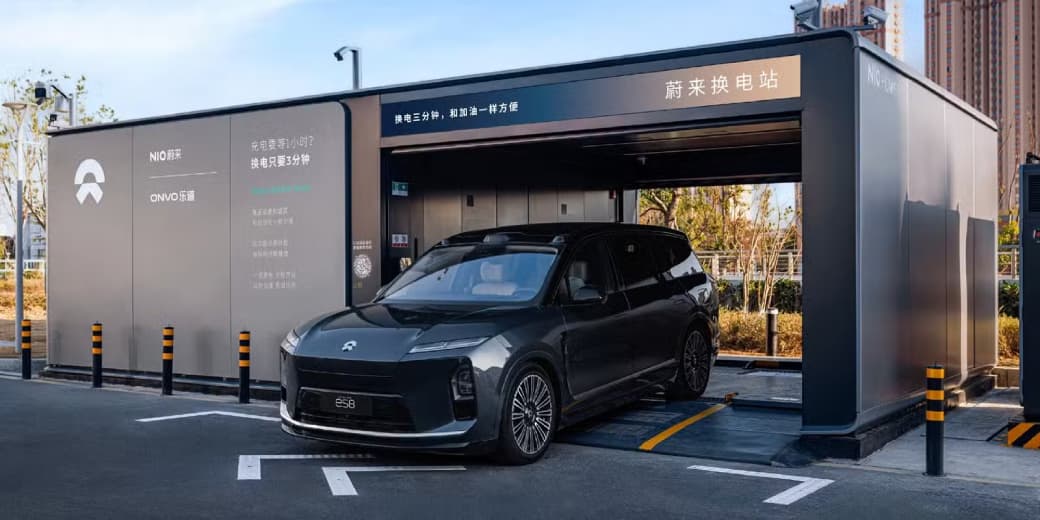
NIO's 4,000th battery swap station shows what charging networks still cannot do
NIO's new station can hold more batteries and complete a swap in under two minutes, but the model remains expensive and difficult to standardise.
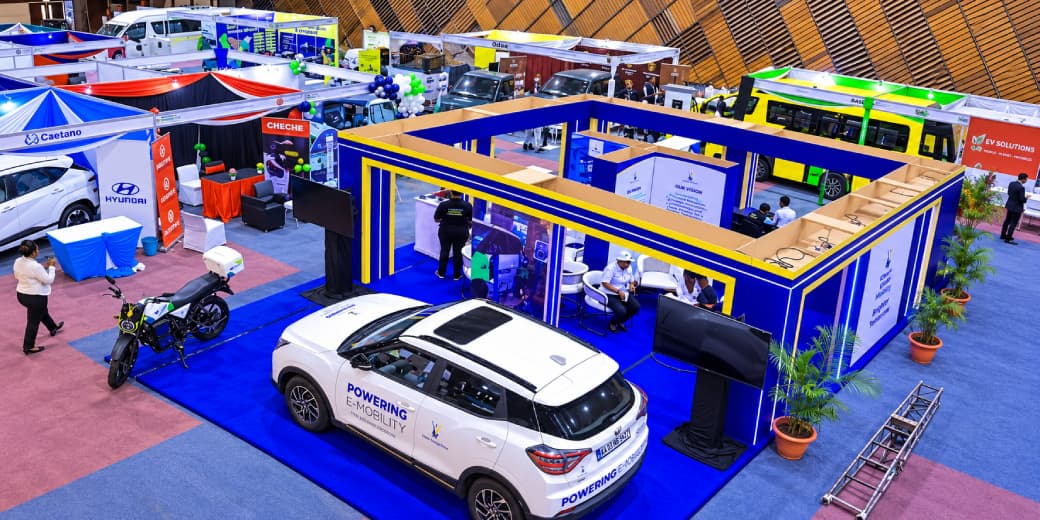
Nairobi E-Mobility Week opened at KICC, and Kenya's electric two-wheeler numbers explain why it matters
Nairobi E-Mobility Week 2026 launched at the Kenyatta International Convention Centre on September 14 and runs free to the public through September 19, organized by UNEP and Kenya's Ministry of Transport as part of UNEP's Global Electric Mobility Programme.
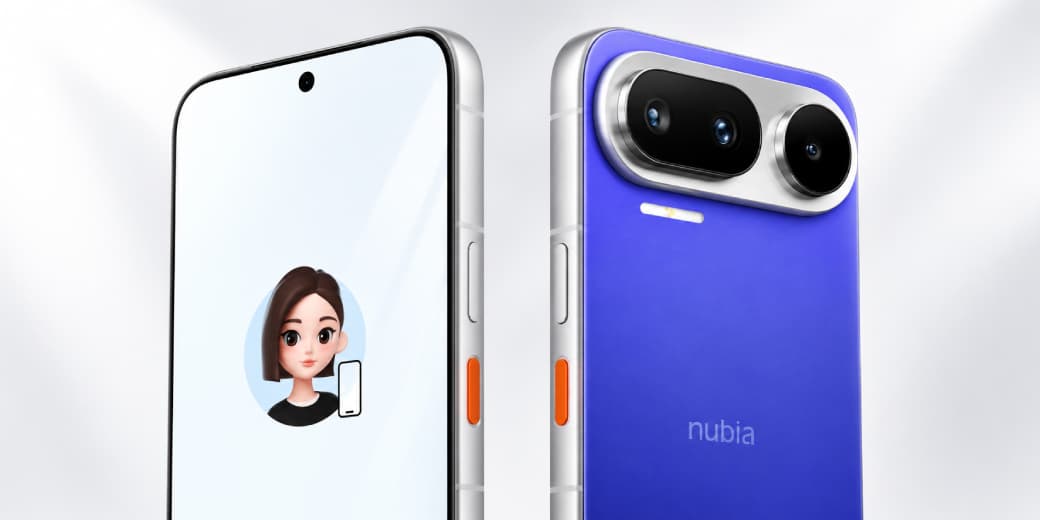
Nubia's Doubao-powered NaviX Ultra launches next week after its predecessor ran into app blocks
Nubia, ZTE's phone brand, will launch the NaviX Ultra in China on September 16, 2026, built jointly with ByteDance around the Doubao Phone Assistant, an AI agent designed to read the screen and complete multi-step tasks across apps from a single spoken request.