
BasiGo's electric bus growth now meets the grid question
Electric buses are no longer a demo in Nairobi. The next test is whether the system around them scales.
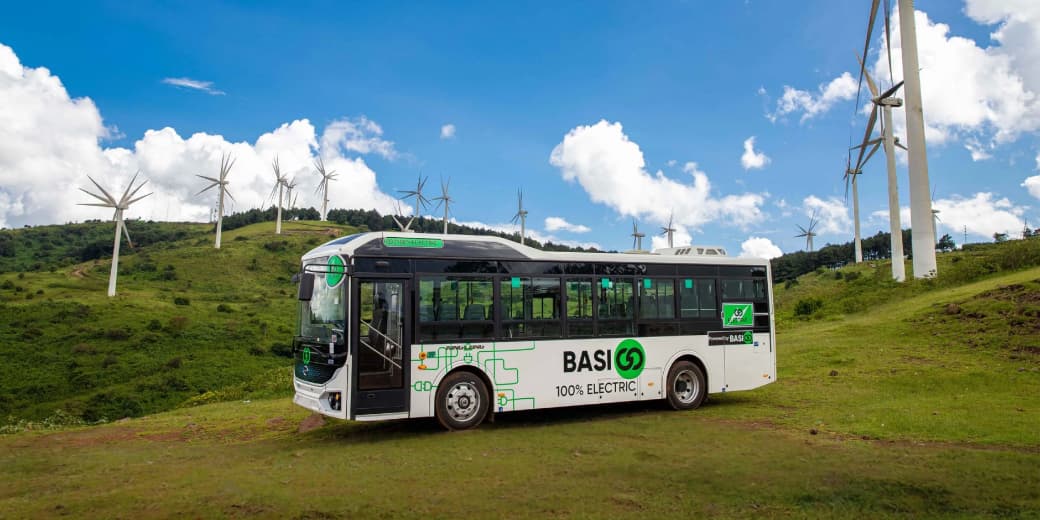
BasiGo has made electric buses feel normal on Kenyan roads, which is exactly why the harder question has arrived: can the infrastructure around them keep up?
The first phase of e-bus adoption is about proof. Can the bus carry passengers all day? Can operators earn money? Do riders accept it? Does the driver trust the vehicle? In Nairobi, that proof is no longer hypothetical. Electric buses are visible, quieter, and easier to understand than a climate-policy document.
The second phase is about systems. Buses need depots, chargers, grid connections, route planning, maintenance teams, spare parts, financing, and predictable power costs. When one bus charges overnight, the system can absorb it. When hundreds do, the question becomes local electricity capacity and operational choreography.
The financing layer
BasiGo's model has always been as much about financing as about vehicles. Electric buses cost more upfront than many diesel alternatives, even when they can be cheaper to run over time. That gap is where pay-as-you-drive models, bank partnerships, and asset financing matter.
For operators, the real calculation is not whether electric is good in theory. It is whether the monthly cash flow works after loan payments, charging costs, maintenance, route revenue, and downtime. A bus that is cheaper over ten years still fails if the first three years are unaffordable.
Then comes the grid. Kenya's electricity mix is relatively clean, which strengthens the climate case. But charging infrastructure still has to be built where buses sleep, not where policy papers are written. Depots need enough power at the right time, and utilities need to plan for clusters of demand.
The upside is large. Public transport is where electrification can matter quickly because each vehicle moves many people every day. One well-used electric bus can replace a lot of diesel kilometres.
BasiGo's next milestone, then, is not simply more buses. It is a working network of finance, charging, maintenance, and power that lets more operators buy in without feeling like they are joining an experiment.
FAQ
Why do electric buses matter in Kenya?
They can reduce fuel costs, cut urban emissions, and improve public transport if charging and financing work at scale.
What is the biggest challenge for BasiGo now?
The next challenge is scaling the system around the buses: depots, charging, maintenance, grid capacity, and financing.
Are electric buses cheaper than diesel buses?
They can be cheaper to run over time, but the upfront cost and financing structure determine whether operators can afford them.
The electric bus has made its point. Now Kenya has to build the boring parts that let it scale.
Ask MAMBO
Have a plain-English question about this topic? Send it in and we may answer it in a future guide.
Ask a questionRelated reading
 MAMBO Take
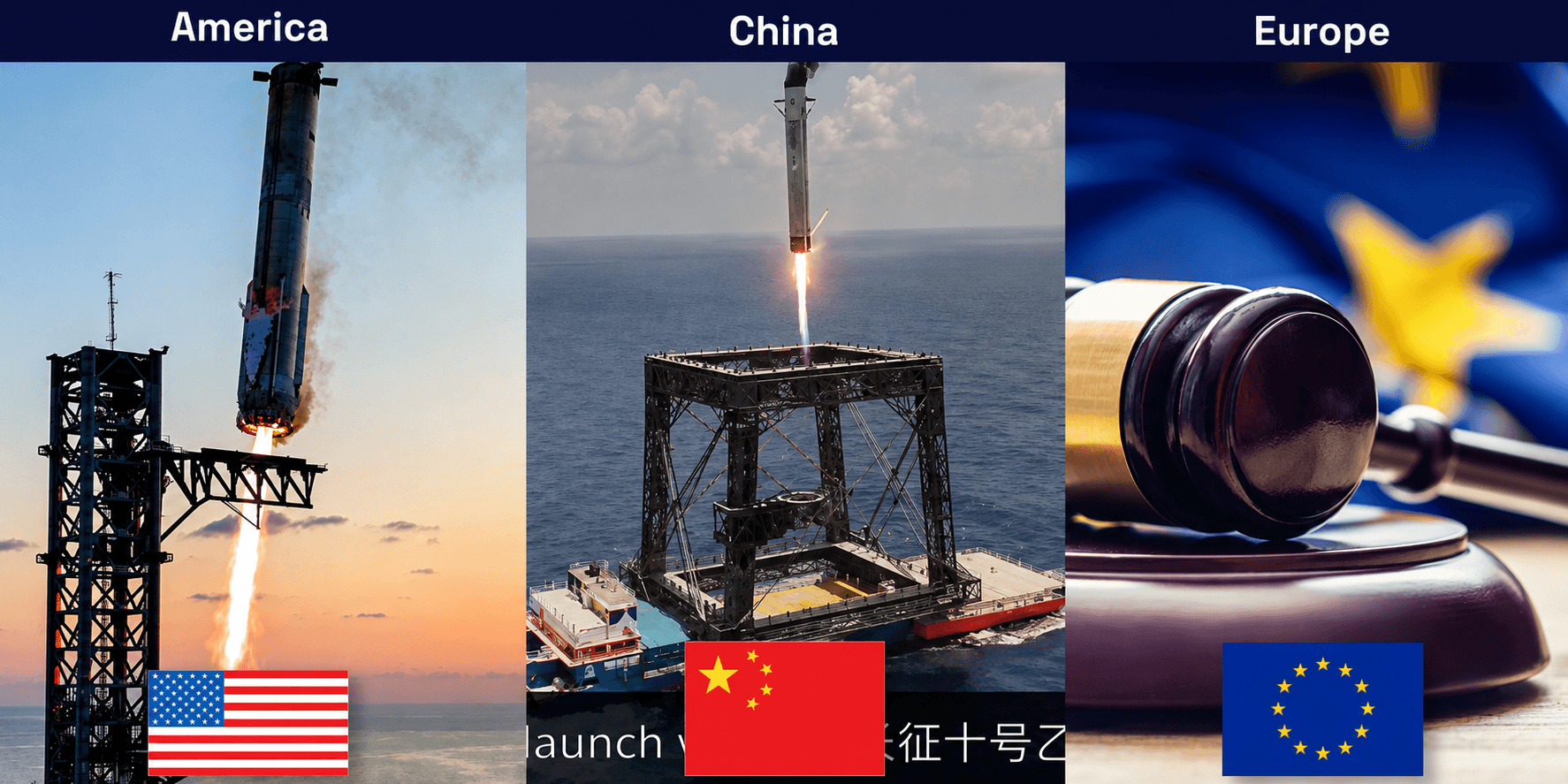
America invents it, China perfects it, Europe writes the rules for it
The old line says America innovates, China replicates, and Europe regulates. China's rocket catch shows why that line is useful, and why it is no longer enough.
 Business
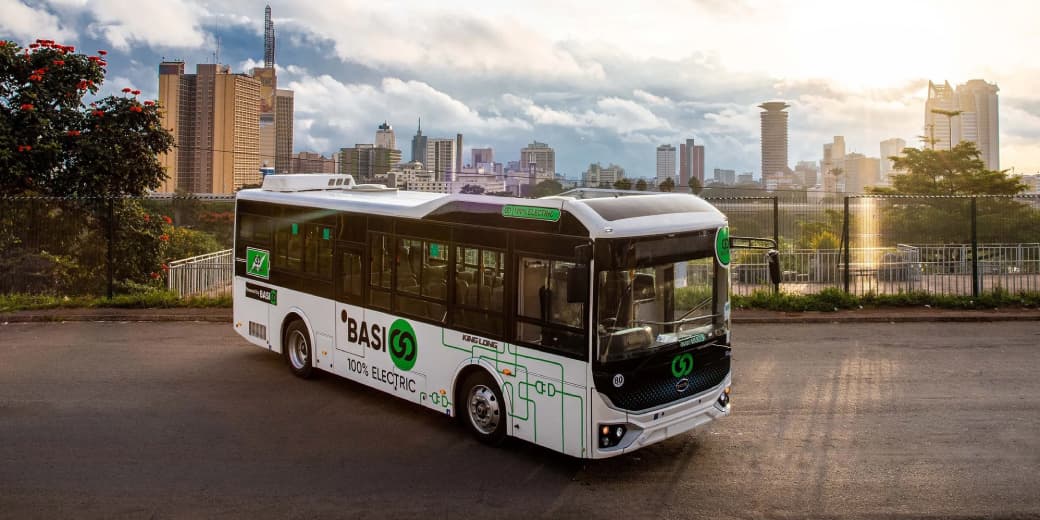
EVs could soon beat petrol on cost across Africa
New research says EVs are close to cost parity across much of Africa, with expensive financing now doing more to slow adoption than the technology itself.
 Business
West Africa's mega-corridor eyes cleaner, smarter freight
The EU Regional Business Forum put West Africa's Abidjan to Lagos corridor in front of investors, with rail, urban mobility, trade facilitation, and logistics on the table.