

West Africa's mega-corridor eyes cleaner, smarter freight
The Abidjan to Lagos artery is being pitched around multi-modal transport, smarter logistics, and cleaner mobility. Ambition is high; delivery is the test.

West Africa's most important trade artery is being pushed toward a cleaner, smarter future.
The EU Regional Business Forum on West Africa Corridors, held in Abidjan from March 30 to April 1, 2026, focused on investment opportunities in transport and logistics along the Abidjan to Lagos and Abidjan to Ouagadougou corridors.
The official agenda did not present this as a single electric-truck announcement. It framed a broader transport upgrade: road transport, rail transport, maritime transport, corridor integration, urban mobility, and trade facilitation.
That distinction matters. The corridor itself is one of Africa's most consequential infrastructure projects, running roughly 1,000 kilometres along the coast through Cote d'Ivoire, Ghana, Togo, Benin, and Nigeria. It links some of the region's largest cities and ports and carries a huge share of West Africa's trade and passenger movement.
Why does the mobility angle matter? Because freight corridors are where transport emissions, costs, and delays concentrate. Long queues at borders, ageing diesel fleets, and road-only logistics make goods more expensive for everyone at the end of the chain.
Shifting a share of that load to rail, tightening logistics with digital systems, and preparing dense routes for cleaner commercial transport is precisely where e-mobility can make early economic sense. Fixed corridors suit charging infrastructure far better than scattered, unpredictable traffic does.
The honest caveat is the one that applies to every grand corridor announcement: forums are not asphalt, rails, border systems, or charging depots. The Abidjan to Lagos highway has been in planning for years, and timelines in multi-country megaprojects slip.
The signal worth taking is directional: regional planners and funders are now discussing the corridor through the language of multimodal logistics, sustainable urban mobility, and trade facilitation, not only road expansion.
Whether the electrons follow the intentions is the story we will keep watching.
Sources
For now, the corridor is less an EV story than the kind of infrastructure story EV freight needs before it can become real.
Ask MAMBO
Have a plain-English question about this topic? Send it in and we may answer it in a future guide.
Ask a questionRelated reading
 MAMBO Take
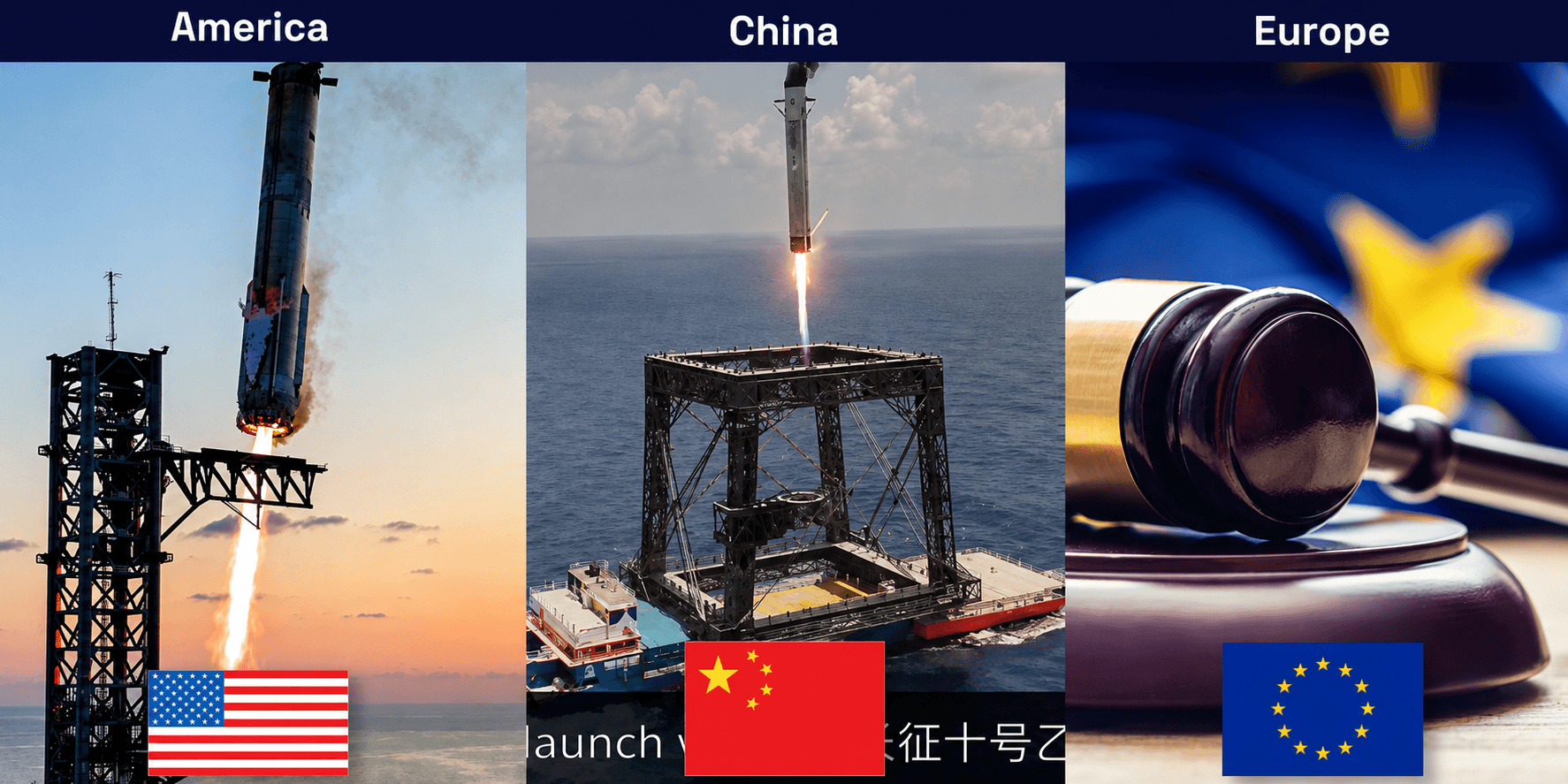
America invents it, China perfects it, Europe writes the rules for it
The old line says America innovates, China replicates, and Europe regulates. China's rocket catch shows why that line is useful, and why it is no longer enough.
 Business
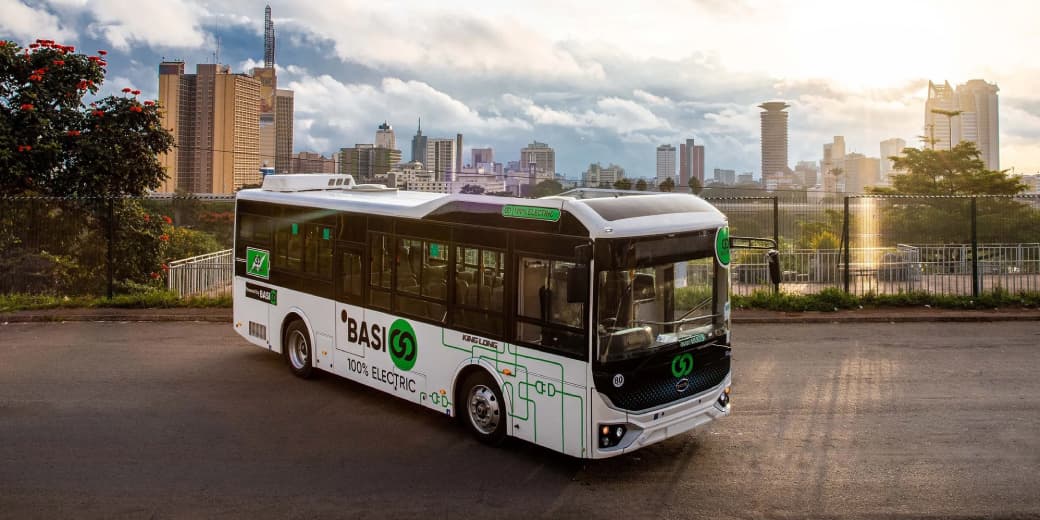
EVs could soon beat petrol on cost across Africa
New research says EVs are close to cost parity across much of Africa, with expensive financing now doing more to slow adoption than the technology itself.
 Business
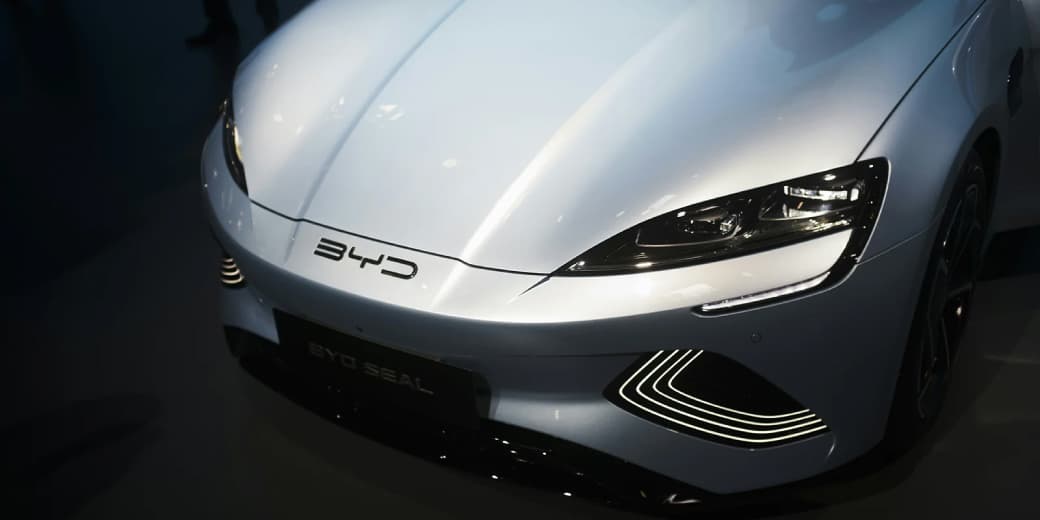
BYD retakes the EV crown as June numbers land
BYD delivered 557,090 fully electric vehicles in Q2 2026, ahead of Tesla's 480,126, while NIO posted its best month of the year.