

EVs could soon beat petrol on cost across Africa
Research across 52 African countries and six vehicle types finds electric on the verge of undercutting petrol, if the cost of borrowing comes down.
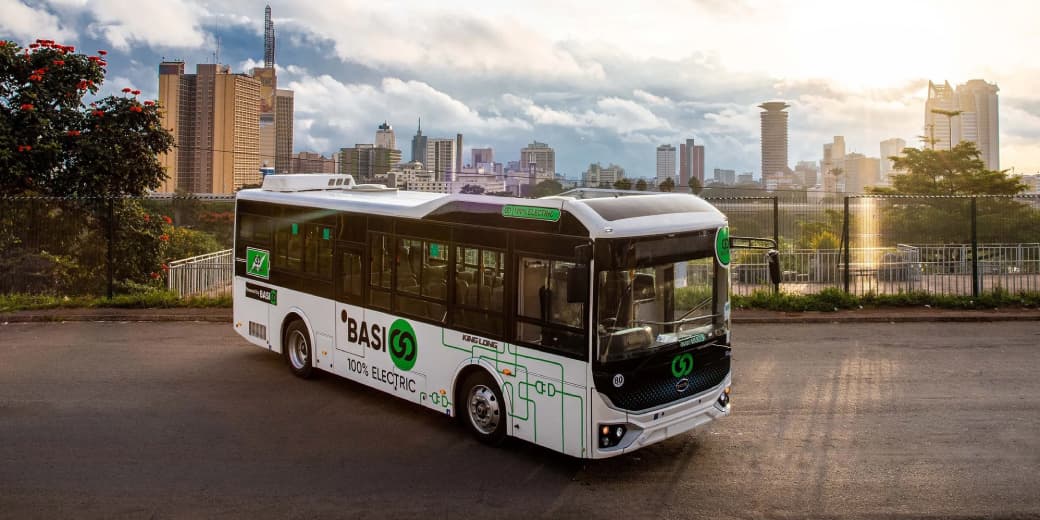
Electric vehicles are close to becoming cheaper to own and run than petrol and diesel vehicles across much of Africa, and the last big barrier is not the technology but the cost of financing.
That is the finding of research examining the total cost of ownership of EVs across 52 African countries and six passenger-vehicle segments: small and medium two-wheelers, small, medium, and large four-wheelers, and minibuses.
The shift in thinking is significant. Most older projections did not expect battery power to be affordable enough to challenge petrol across the continent before 2040. Falling battery costs, surging global EV production, and Africa's strong solar resource have changed the picture.
The study finds that battery-electric vehicles paired with solar off-grid charging could become cost-effective in many African countries well before 2040. In plain English, the vehicles and charging maths are moving faster than the old assumptions.
So what stands in the way? Money, specifically the price of borrowing it. The researchers found that in more than half the countries examined, financing costs would need to fall by 7 to 15 percentage points for EVs to reach cost parity with conventional vehicles by 2030.
That kind of drop cuts thousands of dollars off a vehicle's lifetime financing bill, often the difference between unaffordable and firmly within reach. Encouragingly, the study points to markets such as South Africa, Botswana, and Mauritius as already close to the financing conditions needed for parity.
The nature of the problem matters because it points at the fix. The study argues technology risk is no longer the core issue. EVs are commercially mature and increasingly visible in Africa, from electric motorcycles to e-buses.
What keeps interest rates punishing is country and lending risk: currency volatility, macroeconomic wobbles, and lenders that do not yet understand EV business models. Those are exactly the risks that public de-risking tools, guarantees, and specialised local asset financing are designed to absorb.
For a Kenyan reader, this lands close to home. The e-mobility wave here, including electric motorcycles, three-wheelers, and buses already on Nairobi roads, runs on precisely these financing models.
The vehicles are ready. The question is whether the money gets cheap enough, fast enough.
FAQ
Are electric vehicles cheaper than petrol cars in Africa?
Not yet in most countries, but research across 52 African nations finds they are close, with financing costs now a major barrier.
What would make EVs cost-competitive in Africa?
Lower borrowing costs, public guarantees, local asset financing, falling battery prices, and solar charging can all push EVs toward cost parity.
Which African countries are closest to EV cost parity?
The study highlights South Africa, Botswana, and Mauritius as markets where financing conditions are already close to parity.
Sources
The EV tipping point across Africa may not arrive from a miracle battery. It may arrive from a better loan.
Ask MAMBO
Have a plain-English question about this topic? Send it in and we may answer it in a future guide.
Ask a questionRelated reading
 MAMBO Take
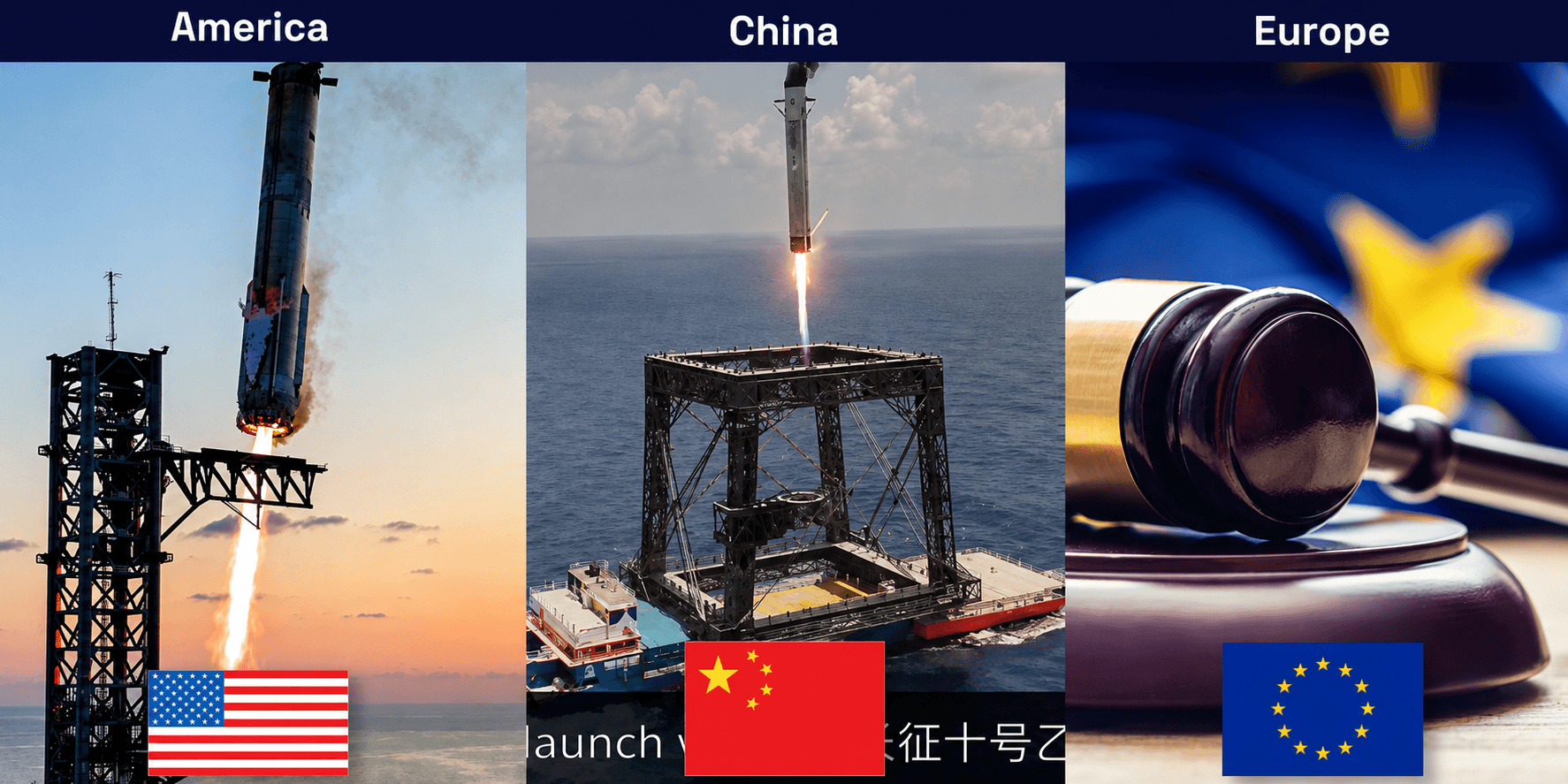
America invents it, China perfects it, Europe writes the rules for it
The old line says America innovates, China replicates, and Europe regulates. China's rocket catch shows why that line is useful, and why it is no longer enough.
 Business
West Africa's mega-corridor eyes cleaner, smarter freight
The EU Regional Business Forum put West Africa's Abidjan to Lagos corridor in front of investors, with rail, urban mobility, trade facilitation, and logistics on the table.
 Business
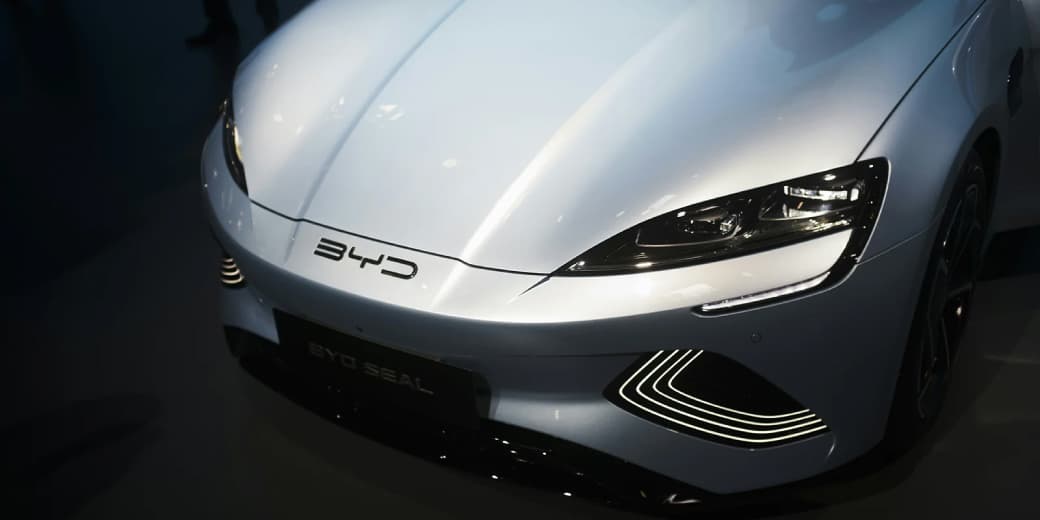
BYD retakes the EV crown as June numbers land
BYD delivered 557,090 fully electric vehicles in Q2 2026, ahead of Tesla's 480,126, while NIO posted its best month of the year.