

Kenya's digital learning push now faces the classroom test
The hard part of edtech is not announcing devices. It is keeping them useful after the cameras leave.
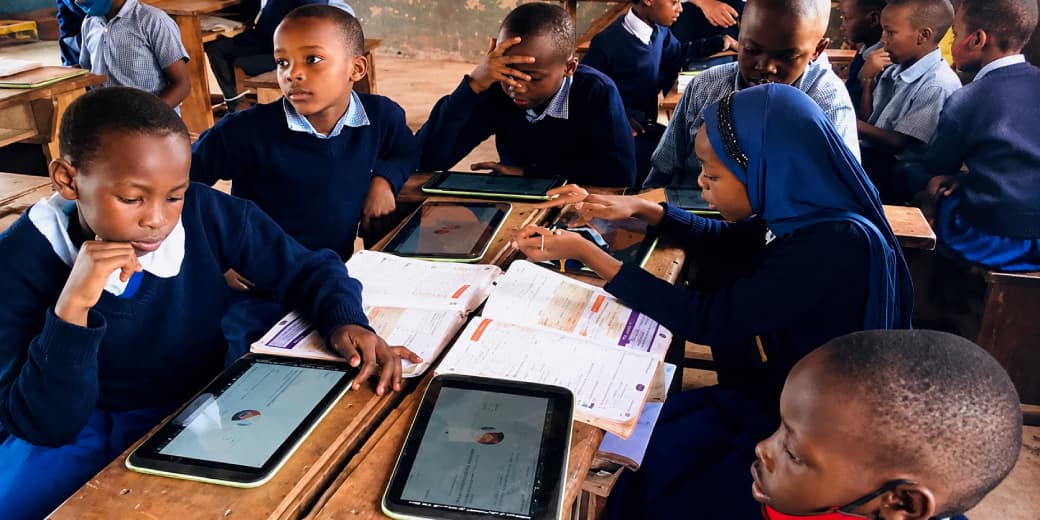
Kenya's digital learning push is entering the phase where announcements matter less and classrooms matter more.
For years, the country's education technology conversation has circled around devices, connectivity, digital content, teacher training, and the gap between urban and rural schools. The promise is easy to understand: better access to learning materials, more interactive lessons, and pupils who grow up comfortable with digital tools.
The delivery is harder. A tablet without a trained teacher is a shiny notebook. A smart board without maintenance becomes furniture. Online content without reliable power or internet becomes a frustration. And digital systems that work in a pilot can stumble when stretched across thousands of schools.
What actually makes school technology work
The useful checklist is practical. Are teachers trained before devices arrive? Is there a support line when equipment fails? Are lessons aligned with the curriculum? Are pupils protected from unsafe content and data collection? Is there a budget for repairs after year one?
Kenya has a chance to avoid the old trap where technology is counted by units delivered rather than learning improved. The better metric is whether teachers use the tools consistently and whether pupils understand more because of them.
There is also an equity question. A well-connected private school can layer AI tools and online resources onto already strong teaching. A rural public school may still be solving power, staffing, and connectivity. National policy has to close that gap, not decorate it.
The next digital learning story should therefore be less about the device and more about the support system around it.
Edtech works when it becomes invisible: the lesson flows, the teacher is confident, the pupil learns, and no one is fighting the machine.
FAQ
What is Kenya's digital learning challenge?
The challenge is not only buying devices. It is training teachers, maintaining equipment, providing content, and ensuring reliable power and connectivity.
Can technology improve Kenyan classrooms?
Yes, if it supports teachers and pupils directly. Technology alone does not improve learning without implementation and support.
What should parents watch for?
Parents should ask whether tools are used regularly, whether teachers are trained, and whether digital learning improves actual understanding.
Kenya does not need digital classrooms for their own sake. It needs better classrooms that happen to use digital tools well.
Ask MAMBO
Have a plain-English question about this topic? Send it in and we may answer it in a future guide.
Ask a questionRelated reading
 MAMBO Explains
Glovo is bringing shopping into ChatGPT and Claude. That changes quick commerce
Glovo's AI Shopping Assistant lets users discover products through natural-language chat before moving into purchase. It is not magic, but it points to the next interface for quick commerce.
 Should you care?
iOS 27 can tell when you are being scammed, live
Apple's reported Trust Insights framework in iOS 27 is designed to spot live social engineering risk and help apps add warnings before users move money.
 Should you care?
Apple sues OpenAI, and the age of polite AI partnerships is over
Apple's lawsuit against OpenAI turns a friendly AI partnership into a fight over hardware, trade secrets, talent, and who gets to define the next computing device.