

Stablecoins are becoming Kenya's quiet freelance rail
The crypto story worth watching is not speculation. It is the dollar payment rail under ordinary digital work.
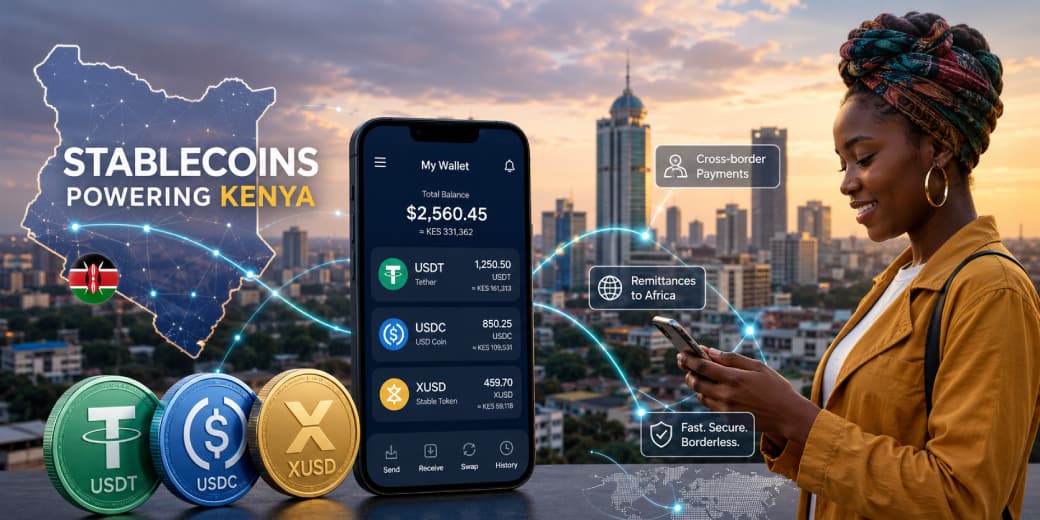
Stablecoins are becoming part of Kenya's quiet freelance economy, not because most workers want to be crypto people, but because getting paid across borders is still more painful than it should be.
A stablecoin is a digital designed to track a real-world currency, most commonly the US dollar. The point is not that the token will make you rich. The point is that it can move quickly, settle outside normal banking hours, and hold dollar value before a worker converts it into shillings.
For Kenyan freelancers, agencies, creators, developers, consultants, and small exporters, that can be useful. International clients may want to pay in dollars. Bank transfers can be slow or expensive. Payment platforms can have country limits, withdrawal fees, or awkward compliance checks. A dollar stablecoin can feel like a workaround.
The risk is not theoretical
But a workaround is not the same as consumer protection. Stablecoins depend on issuers, reserves, exchanges, wallets, network fees, private keys, and the legal environment around them. If a user sends funds to the wrong address, falls for a fake wallet, or uses a weak exchange, the money may be gone.
Kenya also has a policy question to settle. Regulators need to separate useful payment innovation from money laundering, scams, tax evasion, and consumer harm. That is not easy, especially when the product crosses borders faster than the rules do.
Nigeria's stablecoin trade workaround shows why this matters beyond crypto circles. When people face foreign exchange friction, they find rails that move. Kenya should study that lesson early rather than pretend the behaviour will wait for perfect regulation.
The practical advice is simple. If you are paid through stablecoins, understand the wallet, the issuer, the conversion route, the fees, and the tax trail. Do not treat a payment rail as a savings plan unless you know exactly what backs it.
Stablecoins may become boring infrastructure one day. They are not boring yet.
FAQ
Why would a Kenyan freelancer use stablecoins?
A freelancer may use stablecoins to receive dollar-linked payments quickly, especially when bank transfers or payment platforms are expensive or slow.
Are stablecoins legal in Kenya?
Kenya's regulatory position is evolving. Users should check current guidance from financial regulators and avoid platforms that do not meet compliance standards.
Are stablecoins risk-free?
No. Users face wallet, exchange, issuer, scam, liquidity, and regulatory risks, even when a token is designed to track the dollar.
The future of stablecoins in Kenya will be decided less by hype and more by whether they make legitimate payments safer, cheaper, and easier to audit.
Ask MAMBO
Have a plain-English question about this topic? Send it in and we may answer it in a future guide.
Ask a questionRelated reading
 Should you care?
Airtel Money's Rudishiwa turns cashback into a habit
Airtel Money is using Rudishiwa to reward Kenyan users and make its wallet feel more useful for everyday transactions.
 Business
Moniepoint names Rose Muturi CEO for Kenya
Rose Muturi will lead Moniepoint's Kenya operation as the Nigerian fintech tries to turn its Sumac acquisition into a real SME banking push.
 Business
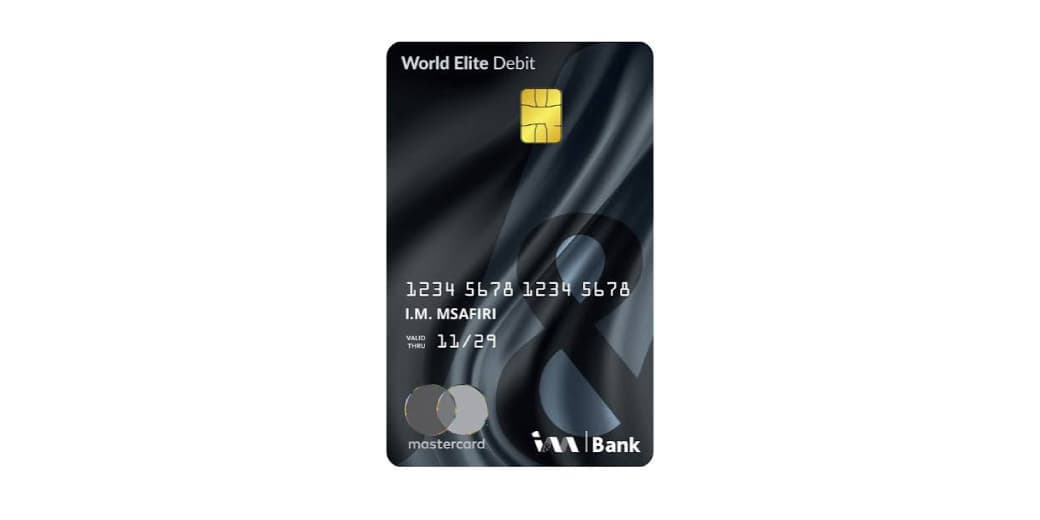
I&M Bank's World Elite Metal Card is not just luxury. It is Kenyan banking signalling
The metal card targets high-value Kenyan customers with lounge access, concierge services and high credit limits. The real story is the race to own premium digital banking relationships.