

Can your smartwatch predict illness, or just make you anxious?
Wearables are getting better at spotting when your body behaves differently from normal. That can be useful, but an alert is a clue, not a diagnosis.
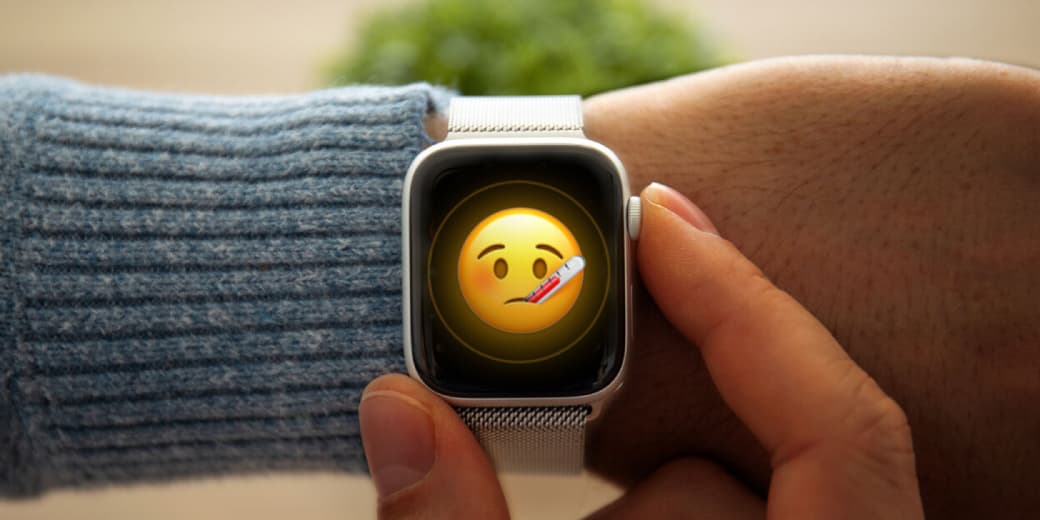
A can sometimes notice that your body is behaving differently before you feel sick.
It cannot reliably tell you exactly what disease you have.
That difference is the whole story. Modern wearables are good at detecting unusual patterns in heart rate, temperature, sleep, breathing, and activity. They are much less reliable at explaining why those patterns changed.
The alert can be useful. The explanation is where things get slippery.
What you need to know
Wearables compare current measurements with your personal baseline. Several metrics changing together can be more useful than one strange reading. A smartwatch may flag physical stress before obvious symptoms appear. It does not detect a virus directly and should not replace a medical test. AI summaries can make ambiguous data sound more certain than it is. Repeated checking can turn useful monitoring into health anxiety.
What does a smartwatch actually detect?
Your watch does not contain a miniature doctor or a laboratory.
It measures signals such as resting heart rate, heart rate variability, skin temperature, respiratory rate, blood oxygen, movement, and sleep patterns. The device then looks for changes from the pattern it has learned as normal for you.
Suppose your resting heart rate rises, your skin temperature shifts, your sleep becomes unusually restless, and your activity falls. That cluster may suggest that your body is under strain.
The cause could be an infection. It could also be alcohol, stress, travel, poor sleep, a hard workout, medication, dehydration, menstrual-cycle changes, or a hot bedroom.
The watch notices the smoke. It does not always know what is burning.
Can wearables spot illness before symptoms?
Research suggests they sometimes can.
A 2025 study involving researchers from Texas A&M University and Stanford University modelled how early smartwatch alerts could help reduce the spread of respiratory infections. The researchers drew on evidence that wearables can detect subtle physiological changes before a person notices symptoms.
Other studies have found that combinations of heart rate, sleep, temperature, and activity data can identify signs associated with COVID-19 or influenza before symptom onset in some participants.
The important wording is "signs associated with." The wearable is detecting your body's response. It is not identifying a particular virus or bacterium.
A useful alert should lead to a sensible next step, such as resting, checking for symptoms, taking a validated test, or speaking with a clinician. It should not lead directly to a self-diagnosis assembled by a chatbot at 2:13 in the morning.
Why personal baselines matter
A population average can tell you what is typical for many people. Your baseline tells the device what is typical for you.
One person's normal resting heart rate may look unusually high for another. Skin temperature also varies between people and across environments. Sleep patterns change with work schedules, parenting, travel, and stress.
Wearables become more useful after they have collected enough consistent data to recognise your ordinary rhythm. This is why a single night with a new watch should not be treated like a medical report.
Long-term trends beat isolated spikes.
A change that appears across several nights and several measurements deserves more attention than one dramatic graph after a wedding, three hours of sleep, and enough nyama choma to frighten a cardiologist.
Where AI helps
AI can combine several streams of data and present them in understandable language.
That is genuinely useful. Most people do not want to interpret five charts before breakfast. A well-designed system can say that your resting heart rate, temperature, and sleep have all moved outside your normal range, then suggest a cautious next action.
AI can also help identify patterns that are difficult to see manually. It can notice that your sleep quality often falls before a migraine, or that your recovery changes after late meals.
The danger is tone. Language models are built to produce fluent explanations, even when the evidence is incomplete. A confident paragraph can feel like certainty when it is only a plausible interpretation.
Health data needs uncertainty labels, clear limits, and a path to human confirmation. Without those, the AI coach risks becoming a very articulate worrier.
Where health anxiety begins
Tracking can give people a sense of control. It can also make every normal fluctuation feel suspicious.
A watch may show a lower recovery score after a poor night's sleep. You worry about it, sleep worse the next night, receive another poor score, and worry more. The measurement starts influencing the thing being measured.
This does not mean people should switch off every health feature. It means more data is not automatically more reassurance.
Useful monitoring should answer a question or guide an action. If a metric repeatedly makes you anxious but never changes what you do, it may be providing noise dressed as insight.
Doctors usually care more about persistent trends, symptoms, risk factors, and validated measurements than one colourful readiness score.
Which smartwatch features are most useful?
Some wearable functions have stronger clinical value than others.
Irregular rhythm notifications for possible atrial fibrillation have meaningful evidence behind them. Basic resting heart rate, step counts, and broad sleep-duration patterns can also be useful when viewed over time.
Calorie estimates, detailed sleep-stage labels, stress scores, recovery numbers, and consumer blood pressure estimates should be interpreted more cautiously. Many depend on proprietary algorithms that clinicians cannot independently inspect.
A feature can be accurate enough for wellness guidance without being accurate enough for diagnosis. Marketing departments occasionally misplace that sentence.
How to use illness alerts without spiralling
Start with context.
Ask whether you slept badly, drank alcohol, travelled, exercised unusually hard, changed medication, or experienced intense stress. Look for multiple measurements moving together rather than one isolated number.
Then check what you can verify. Take your temperature with a reliable thermometer. Use an approved diagnostic test when appropriate. Pay attention to real symptoms. Contact a healthcare professional when an alert is persistent, severe, or accompanied by concerning symptoms.
Set boundaries for checking. Looking at the same graph twelve times will not make the sensor more accurate.
Also keep emergency judgement human. Chest pain, severe breathing difficulty, fainting, sudden weakness, or other serious symptoms deserve urgent medical attention regardless of what a watch says.
The tecMAMBO take
Wearables are becoming useful early-warning systems. They are not pocket diagnosticians.
Their best skill is noticing that something changed. Their weakest skill is telling you exactly why.
That makes the healthiest relationship with wearable data surprisingly old-fashioned: observe the pattern, consider the context, confirm important findings, and ask a qualified human when the stakes are high.
Your watch can tap you on the shoulder. It should not be allowed to shout a diagnosis into your ear.
FAQ
Can an Apple Watch tell if I have the flu?
No. An Apple Watch can detect changes in measurements such as heart rate, temperature, sleep, and respiratory patterns. Those changes may be consistent with illness, but they do not confirm influenza.
Can Oura Symptom Radar diagnose sickness?
No. Oura's feature looks for changes from your normal biometric patterns and can warn that your body appears strained. A warning should be treated as a prompt to monitor symptoms or seek testing, not as a diagnosis.
Why did my resting heart rate rise overnight?
Possible reasons include infection, alcohol, dehydration, stress, poor sleep, medication, heat, hormonal changes, and recent exercise. One reading rarely identifies the cause.
Are smartwatch health alerts medically approved?
Approval varies by feature, device, and country. A device may have regulatory clearance for one function, such as irregular rhythm detection, while its wellness scores remain non-diagnostic.
Can AI health coaches be trusted?
They can help summarise trends and suggest questions to ask. They should not be trusted as a replacement for medical testing, clinical judgement, or emergency care.
Sources
This article is general information, not personal medical advice.
Ask MAMBO
Have a plain-English question about this topic? Send it in and we may answer it in a future guide.
Ask a questionRelated reading
 MAMBO Take
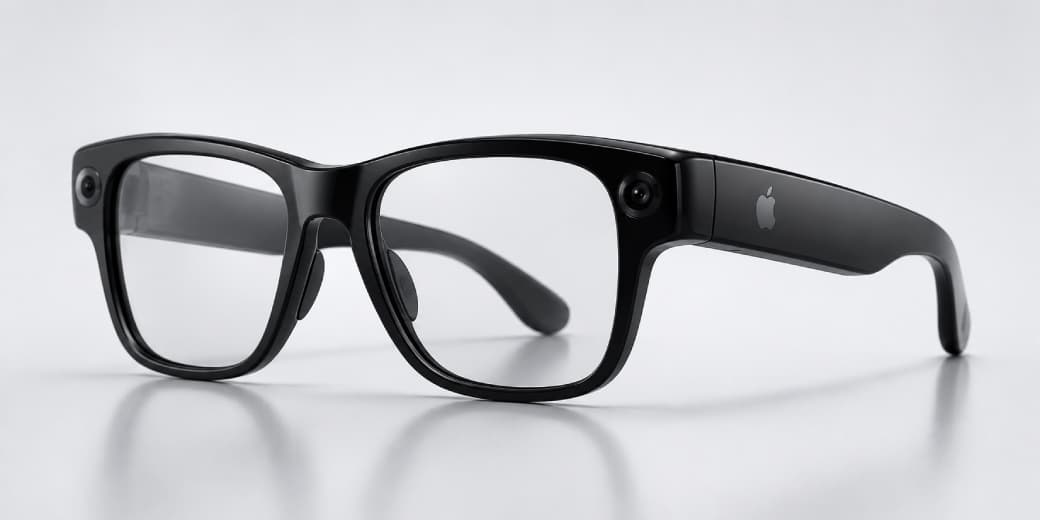
Apple's next health device may sit on your face, not your wrist
Apple appears to be spreading sensing across glasses and earbuds, but privacy, battery life and clinical credibility will determine whether it works.
 Should you care?
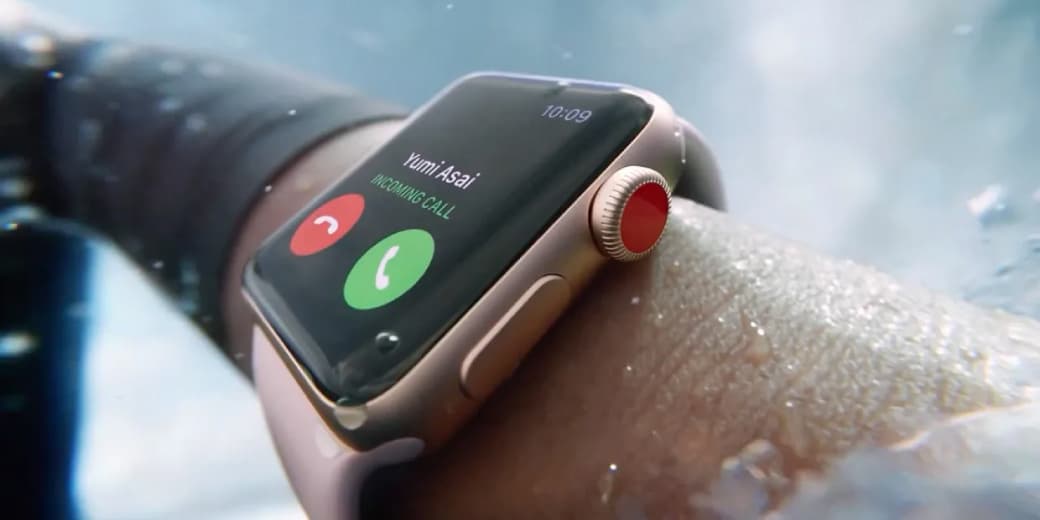
Apple Watch redesign may break your bands in 2027
A new Apple Watch rumor says a 2027 redesign could change the band attachment system, potentially making today's straps incompatible.
 MAMBO Take
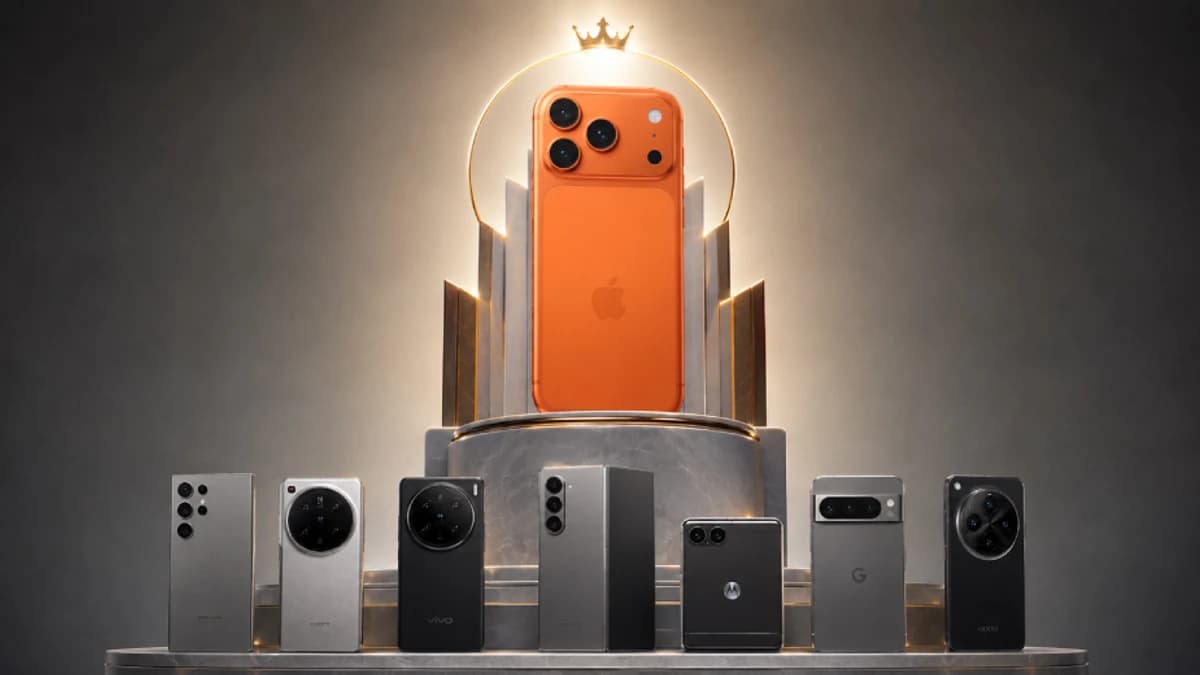
Apple owns 65 percent of the premium phone market, but the number hides a changing battlefield
Counterpoint says Apple captured 65 percent of premium smartphone sales in H1 2026 as the premium segment reached a record 29 percent of the market.