
UK Tribunal Revives Antitrust Lawsuit Against Apple and Amazon
The UK Competition Appeal Tribunal has allowed a lawsuit over an Apple and Amazon agreement to move ahead. Apple also released iOS 27.0.1.

Quick answer
The UK Competition Appeal Tribunal has allowed a major antitrust lawsuit against Apple and Amazon to go forward. The claim says a historical agreement between the two companies unlawfully reduced competition from independent resellers of Apple and Beats products on Amazon's platform. Neither company has been found liable. Apple has also released iOS 27.0.1 to fix minor display and Face ID bugs.
What the tribunal decided
The UK Competition Appeal Tribunal has ruled that an antitrust lawsuit targeting Apple and Amazon can proceed. The decision does not say who is right. It means the case has cleared a procedural hurdle and will continue.
The tribunal is the UK body that hears competition law claims, including large collective actions brought on behalf of many consumers or businesses. Letting a case go forward means the claimants have shown enough to justify a full examination, not that they have won.
What the lawsuit alleges
The claim centers on a historical agreement between Apple and Amazon. The lawsuit alleges that the arrangement unlawfully suppressed competition from independent resellers who sold Apple and Beats products on Amazon's retail platform.
In simple terms, the argument is that shoppers may have had fewer choices, and possibly paid higher prices, because outside sellers were squeezed out of the marketplace for these products. Apple and Amazon are the defendants, and any findings on the allegations would come later in the process.
How marketplace competition works
Large online marketplaces host many sellers, including the brand itself, authorized retailers and independent resellers. Independent sellers often compete on price, offering the same product at different amounts or bundling it with other items. When that competition is healthy, shoppers benefit from choice and lower prices.
If an agreement between a brand and a marketplace limits who may sell a product, the number of competing sellers can shrink. That is the heart of the allegation here. Competition law looks at whether such an arrangement has the effect of restricting competition, and whether any benefits to consumers outweigh the harm.
Why the case matters
Large technology companies face growing scrutiny over how they use their market power. This case looks at both sides of a retail relationship: the maker of a product and the platform that sells it. The outcome could influence how brands and marketplaces structure their agreements in the UK, and it may feed into debate elsewhere.
For consumers and small sellers, three issues stand out.
- Choice. Whether independent resellers could have offered real alternatives. - Price. Whether reduced competition affected what shoppers paid. - Precedent. How tribunals treat agreements between major brands and marketplaces.
What happens next
With the tribunal allowing the case to proceed, both companies will have the opportunity to respond to the claims. Cases of this type can run for a long time, and a final outcome is not expected soon. The process may involve evidence from both sides, expert analysis of market effects and arguments over how to measure any harm.
Until a ruling on the merits, the allegations remain allegations. Apple and Amazon may dispute the claims, and their response will shape how the case develops.
What both companies may argue
Although the detailed defenses have not been set out in the reported summary, companies in similar cases often argue that their agreements serve legitimate purposes. A brand might say it wants to protect product quality, prevent counterfeits or ensure that customers receive genuine goods with proper support. A marketplace might say that working closely with a brand improves the shopping experience. The tribunal will weigh such arguments against the claim that competition was harmed.
A wider pattern of scrutiny
The case is one of several legal and regulatory challenges facing large technology companies in different parts of the world. Regulators and courts are increasingly willing to examine business arrangements that were once treated as routine. For companies, that means contracts with major partners are more likely to be reviewed for their competitive effects. For consumers, it means more opportunities to challenge practices they believe raised prices or limited options.
Apple releases iOS 27.0.1
Apple has also rolled out iOS 27.0.1, a minor update. It patches small display and Face ID bugs. iPhone users who have noticed display glitches or Face ID problems should install it by opening Settings, then General, then Software Update. Keeping a phone updated also ensures it receives the latest fixes.
Point releases like this one are typically small and aimed at specific faults, so there is little reason to installing it. As always, it is sensible to back up a device before updating.
The tecMAMBO take
Letting the case proceed is a procedural step, and nobody should read more into it than that. Still, it matters, because it puts a long-standing brand and marketplace arrangement under a competition lens. If independent sellers were squeezed out, shoppers deserve to know. If the agreement had sound reasons, the companies will get to make that case. Either way, brands and platforms should expect more scrutiny of their private deals, and they should be ready to explain them in plain language.
FAQ
Has Apple or Amazon been found guilty?
No. The tribunal has only allowed the case to go ahead.
What products are involved?
Apple and Beats products sold on Amazon.
What does iOS 27.0.1 fix?
Minor display and Face ID bugs.
Which body made the ruling?
The UK Competition Appeal Tribunal.
Sources
Share this story
Enjoyed this? Share it with someone who'd appreciate it.
Ask MAMBO
Have a plain-English question about this topic? Send it in and we may answer it in a future guide.
Ask a questionRelated reading
The $2,500 iPhone Ultra: Apple's luxury tech gamble
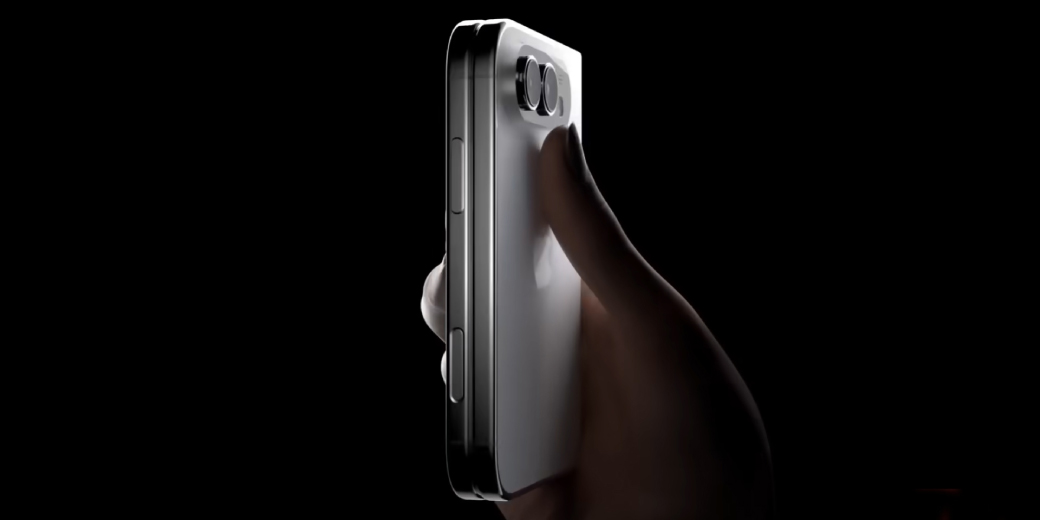
Apple's rumored iPhone Ultra foldable is being framed by analysts as a premium device near $2,500, with shipment expectations that would test how high flagship phone prices can climb.
Apple TV just came to Kenya for the first time, bundled into a $0.99 cloud storage plan
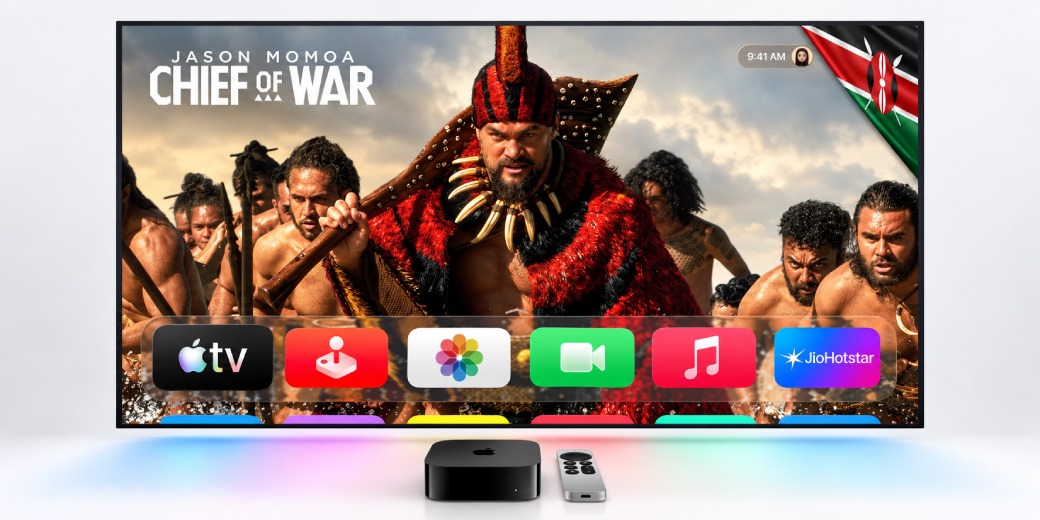
Apple TV is available for the first time ever in Kenya as of this month, bundled at no extra cost into every paid iCloud+ subscription, including the entry-level 50GB plan, which stays at $0.99 a month, roughly KES 128.
Apple raised iPhone prices $100, and absorbed a bigger hike itself to keep it that low
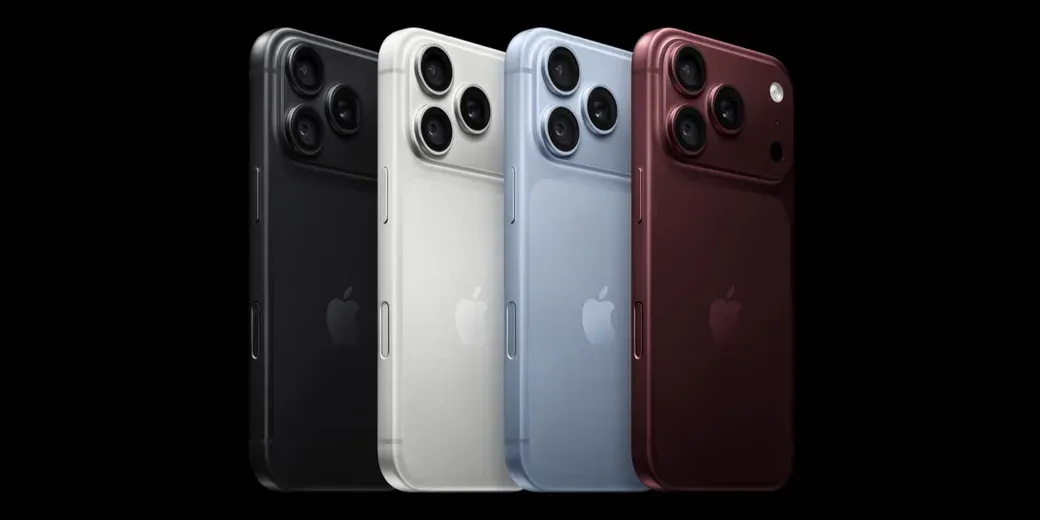
Apple raised the starting price of the iPhone 18 Pro to $1,199 and the iPhone 18 Pro Max to $1,299, both $100 more than their iPhone 17 predecessors, and simultaneously discontinued the iPhone 17 Pro and Pro Max.