

Should M-Pesa Pay Interest? Patrick Njoroge Pushes for Yield on Mobile Money Wallet Balances
Former CBK Governor Patrick Njoroge wants mobile money operators to pay interest on wallet balances. Public comments on the draft bill close in early October 2026.
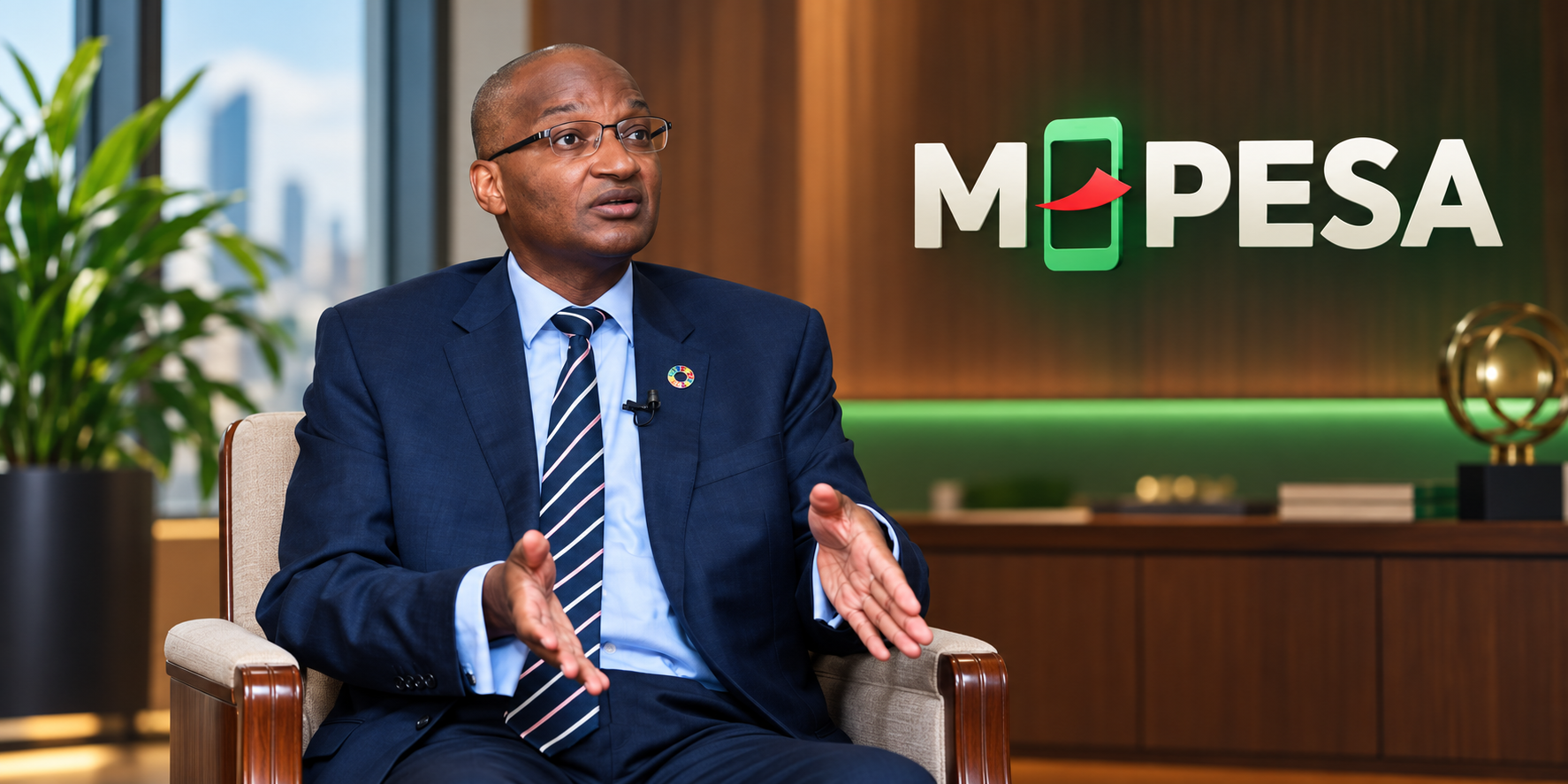
Quick answer
Former Central Bank of Kenya Governor Patrick Njoroge has submitted a regulatory proposal urging lawmakers to require mobile money operators such as M-Pesa and Airtel Money to pay interest on customer wallet balances. The argument is that stored value in a wallet works like a bank deposit and should earn a return for its owner. The public can submit feedback on the draft financial bill through early October 2026.
The proposal in brief
Former CBK Governor Patrick Njoroge has sent a proposal to lawmakers asking that operators pay interest on the money customers keep in their wallets. The proposal names M-Pesa and Airtel Money as examples of the operators it would cover.
It arrives as part of a draft financial bill that is open for public comment. The window for feedback runs through early October 2026, so the debate is live right now. Because the proposal comes from a former head of the central bank, it carries weight in a conversation that might otherwise stay with industry lobbyists and regulators.
The reasoning behind it
The core of the argument is that money stored in a digital wallet behaves like a deposit. A customer puts funds in, leaves them there for a while and takes them out when needed. Banks normally pay interest on deposits, so the proposal says wallet holders should receive a fair share of the yield too.
Supporters of this view point out that millions of Kenyans keep balances in mobile wallets. Those balances, pooled together, can produce returns for the operators or for the institutions that hold the money. Under the proposal, part of that return would reach the customers whose money generates it.
The argument rests on a simple principle of fairness. If a large pool of customer money is held and earns a return, the people who supplied the money should not be the only ones who receive nothing from it.
Who could be affected
- Customers. People who hold balances in wallets could earn a return where they earn none today. The gain per person might be small for low balances, but it adds up across a large user base. - Mobile money operators. M-Pesa and Airtel Money would face new obligations and possibly new costs, and they would need systems to calculate and credit interest. - Banks. If wallets start paying interest, they compete more directly with savings accounts, which could change how banks price deposit products. - Regulators. The idea blurs the line between payment services and deposit-taking, a question regulators have handled carefully for years. - Agents. Mobile money agents earn from transactions, and any change to operator economics could ripple down to them.
Payments service or deposit-taker?
Mobile money was designed as a payment and transfer service, not as a bank account. In many jurisdictions, the money customers hold is kept in trust accounts and is treated differently from bank deposits. One reason for that design is to keep mobile money simple and to avoid subjecting it to the full rules for banks.
Paying interest would push wallets closer to savings products. Regulators would then have to consider what safeguards apply, for example how the funds are protected, how interest is taxed and how customers are told what they are earning. The proposal therefore raises a larger policy question about what mobile money is meant to be as it grows.
Questions the debate will raise
A proposal like this leaves practical details to be settled. Lawmakers and the public are likely to ask:
1. How would interest be calculated on wallets with small or constantly changing balances? 2. Would the rule cover every operator or only those above a certain size? 3. Could the extra cost be passed on to users through higher transaction fees? 4. How would the rule fit with the existing oversight of mobile money and trust accounts? 5. Would interest be paid to every user, or only above a minimum balance?
The reported summary does not answer these questions, so readers should look at the draft bill itself for detail.
Arguments the other side may make
Operators and some analysts may argue that the value customers get from mobile money is convenience, speed and reach, and that those services cost money to run. They may also say that new obligations could lead to higher fees, less investment in agent networks or reduced service in areas that are expensive to cover. Others may argue that customers holding only small, short-term balances would gain so little that the added complexity is not worth it.
These are the kinds of points that typically surface during consultation. The merits depend on the numbers, which the public has not yet seen in detail.
Why it matters
Mobile money is part of daily life in Kenya. People use it to pay school fees, buy groceries, receive salaries and send money to relatives. Because so many households depend on it, any change to how wallet balances are treated could affect saving habits, operator revenue and the wider fintech market.
Whether or not the proposal becomes law, it has put a clear question into public debate: when customers provide the funds that sit in the system, who should benefit from the return on them?
How to take part
The draft financial bill is open for public feedback through early October 2026. Wallet users, agents, fintech firms and consumer groups can all submit comments during that period. Check the official notice for the exact submission channel and deadline, since these details are set by the body running the consultation.
The tecMAMBO take
The fairness argument is strong, and it is hard to dismiss when so many households keep money in wallets every day. But good intentions need careful design. If the rule is blunt, operators will look for ways to recover the cost, and the people most likely to feel it are the small users the policy is meant to help. We would like to see the draft bill spell out thresholds, how interest is calculated and what happens to transaction fees. The public comment window is the place to press for those answers, and users should take it seriously.
FAQ
Who made the proposal?
Former CBK Governor Patrick Njoroge.
Which companies are named?
M-Pesa and Airtel Money are mentioned as examples of mobile money operators.
Is this already law?
No. It is a proposal submitted for consideration as part of a draft financial bill.
When does public comment close?
Through early October 2026.
Would customers definitely earn interest?
Not yet. It depends on whether lawmakers adopt the proposal and on the rules that would follow.
Sources
Share this story
Enjoyed this? Share it with someone who'd appreciate it.
Ask MAMBO
Have a plain-English question about this topic? Send it in and we may answer it in a future guide.
Ask a questionRelated reading

Safaricom's new board appointments show what Vodacom's 55% control looks like in practice
Safaricom's appointment of two senior Vodacom executives is more than a routine board refresh. It shows how the telco's new majority ownership is beginning to shape governance.
Kenya's High Court just unwound a $1.58 billion Safaricom sale that closed three months ago
Kenya's High Court declared the government's sale of a 15% stake in Safaricom PLC to Vodacom Group unconstitutional, null and void, and ordered the shares restored to the state.
NCBA finally joins Kenya's KSh 20 PesaLink push, and the pressure now moves to the remaining holdouts
NCBA now offers free PesaLink transfers up to KSh 1,000 and a flat KSh 20 fee above that on the NCBA NOW App. Here is why the move matters.