

CBK Licenses 29 New Digital Credit Providers, Bringing the Total to 281
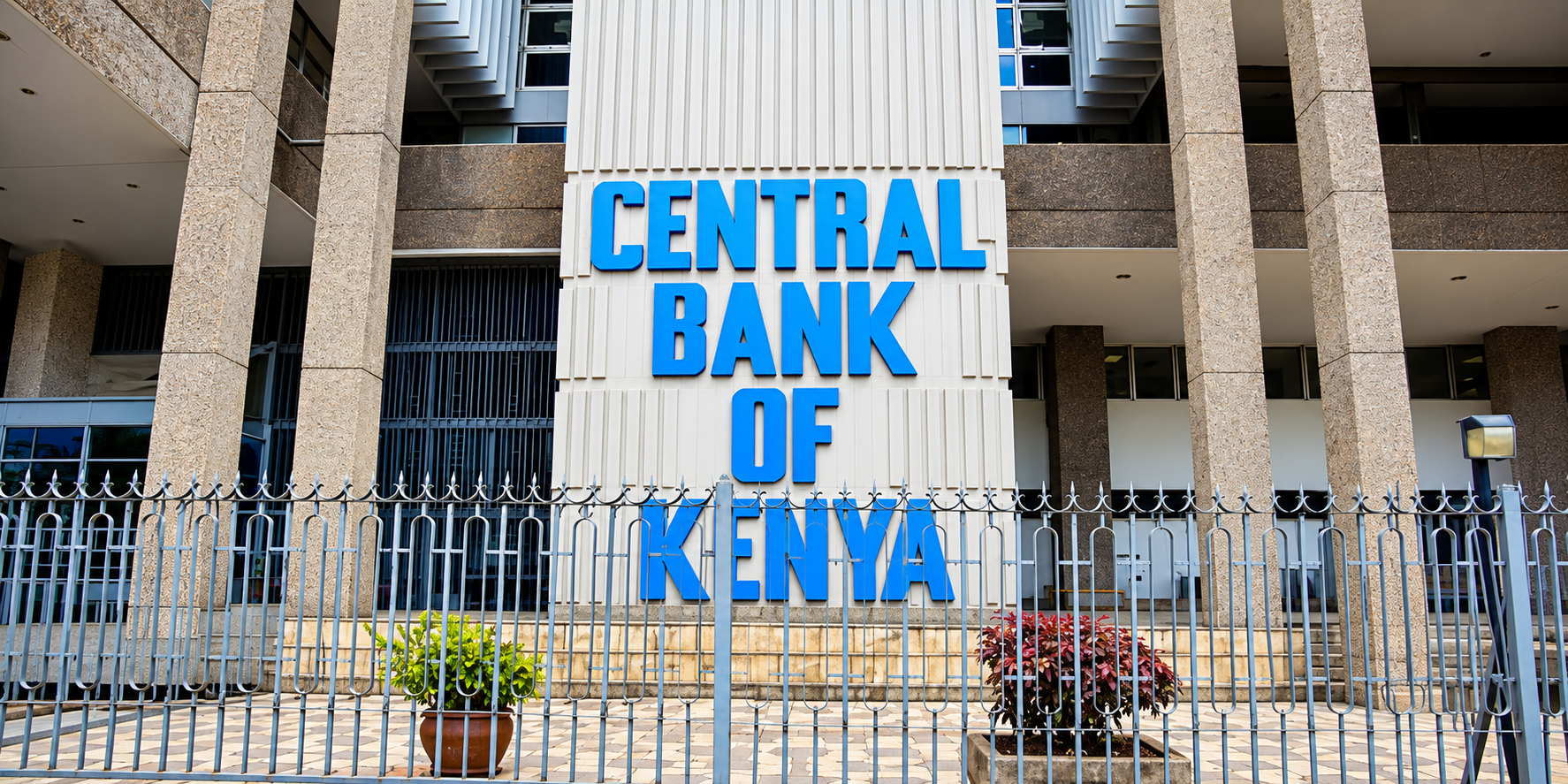
The Central Bank of Kenya has licensed 29 new Digital Credit Providers, taking the total to 281. New rules also propose open data sharing between banks and payment platforms.
Quick answer
The Central Bank of Kenya (CBK) has licensed 29 more Digital Credit Providers (DCPs), which brings the number of fintech lenders under its direct oversight to 281. At the same time, newly proposed payment regulations would require open data sharing between commercial banks and digital payment platforms. The licensing formalizes Kenya's digital lending sector and limits the reach of unauthorized lending apps.
What the CBK announced
The Central Bank of Kenya has formally licensed 29 additional Digital Credit Providers. With these additions, 281 fintech lenders now operate under direct CBK regulatory oversight.
A Digital Credit Provider is a business that lends money through digital channels, typically a mobile app or a platform, without being a traditional bank. Borrowers can often get small loans within minutes, which has made these services popular. The same speed and convenience have also raised concerns about high costs, unclear terms and aggressive collection practices.
Why licensing matters for borrowers
Before licensing rules came in, many lending apps operated with little or no supervision. Some charged unclear fees, shared customers' personal data or pressured borrowers who fell behind. A licence places a lender inside a regulated system with obligations on disclosure, conduct and data handling.
For a borrower, the practical benefit is simple: a licensed app has answered to the regulator and can be held accountable. Anyone thinking of borrowing through an app should check whether the lender appears on the CBK's published list of licensed providers before sharing personal details or accepting a loan. Warning signs of an unlicensed lender include demands for upfront fees, requests for access to all contacts on a phone and threats of public shaming.
How big the sector has become
A total of 281 licensed providers shows how crowded the market is. The sector includes lenders of different sizes and types, from well-known platforms to smaller specialist apps. Each one has to meet the regulator's requirements to operate legally, which suggests a steady stream of applications has been moving through the approval process.
A large number of licensed lenders can benefit borrowers through competition, since lenders have to compete on price and service. But it can also encourage over-borrowing if credit is too easy to get. Regulation aims to keep the benefits of access while limiting the harm.
The proposed open data rules
The announcement also mentions newly proposed financial payment regulations that would make banks and digital payment platforms share data under agreed standards. This is often called open data or open banking.
In principle, it lets a customer allow a payment provider to see certain information from their bank, and the reverse. With the customer's consent, that can help lenders judge risk more accurately, help customers compare products and make it easier to move between services. The details of the standards, including what data is shared and how consent is managed, will matter a great deal, and they are still in proposal form.
Connecting fintech data to credit bureaus
One stated direction is to integrate fintech transaction data into national credit bureau frameworks. Today, a person with a long record of repaying small digital loans may have little visible credit history in the formal system. Feeding that information into credit reference bureaus could help good borrowers build a record and might lead to better terms over time.
It also works the other way. Missed repayments would be visible to more lenders, which is why consumers should understand how their borrowing behavior is reported. A late payment on a small app loan could affect a person's ability to get a larger loan from a bank later.
What it means for fintech companies
For licensed lenders, the growing list means more competition but also a clearer rulebook. For unlicensed operators, the space to operate is shrinking. Investors tend to favor markets where regulation is predictable, and steady licensing is one signal of that.
Smaller lenders may find compliance costs heavy, while larger players can spread them across more customers. It will be worth watching whether the number of licensed providers keeps climbing or levels off as the market matures, and whether consolidation follows.
Tips for borrowers
- Confirm that a lender is licensed before downloading its app. - Read the total cost of the loan, including fees and interest, not only the monthly figure. - Do not grant app permissions that are unrelated to lending. - Borrow only what you can repay, since defaults can follow you through credit records.
What to watch next
- Whether the open data standards are finalized and when they take effect. - How credit bureaus receive and use fintech transaction data. - Enforcement actions against lending apps that operate without a licence. - Whether the number of licensed providers keeps rising.
The tecMAMBO take
More licences are good news for borrowers, provided the licence means something. The test is enforcement: a long list of approved lenders only helps if unlicensed apps are actually shut out and licensed ones are held to their conduct rules. The open data plan is the more interesting piece. Done well, it could let responsible borrowers turn a clean repayment record into cheaper credit. Done badly, it gives more companies access to personal financial data. We will be reading the detail closely when it arrives.
FAQ
How many Digital Credit Providers has the CBK licensed?
The total is now 281, after 29 new additions.
What is a Digital Credit Provider?
It is a company that lends money through digital channels such as mobile apps, without being a traditional bank.
How can I check if a lender is licensed?
Look for the lender on the CBK's official list of licensed Digital Credit Providers.
What is open data sharing?
It is a system in which banks and payment platforms share customer data with consent, under common standards.
Are the open data rules in force?
They are newly proposed, so they are not yet final.
Sources
Share this story
Enjoyed this? Share it with someone who'd appreciate it.
Ask MAMBO
Have a plain-English question about this topic? Send it in and we may answer it in a future guide.
Ask a questionRelated reading
NCBA finally joins Kenya's KSh 20 PesaLink push, and the pressure now moves to the remaining holdouts
NCBA now offers free PesaLink transfers up to KSh 1,000 and a flat KSh 20 fee above that on the NCBA NOW App. Here is why the move matters.

Kenya's new crypto capital rules could protect customers and price startups out at the same time
Kenya has formalised its virtual-asset licensing regime, but capital requirements running into hundreds of millions of shillings could reshape which local startups can stay in the market.

Should M-Pesa Pay Interest? Patrick Njoroge Pushes for Yield on Mobile Money Wallet Balances
Former Central Bank of Kenya Governor Patrick Njoroge has submitted a regulatory proposal urging lawmakers to require mobile money operators such as M-Pesa and Airtel Money to pay interest on customer wallet balances. The argument is that stored value in a wallet works like a bank deposit and should earn a return for its owner. The public can submit feedback on the draft financial bill through early October 2026.