

Fast charging claims vs reality: we timed every "30-minute charge" promise
Fast charging claims can be technically true and still misleading for everyday use.

This piece needs lab notes before publication.
The phrase "50 percent in 30 minutes" sounds simple. In real life, it is not. Phones charge fastest when the battery is low, then slow down as the battery fills. That means the first 30 minutes can look impressive, while the last 20 percent takes much longer.
This is why marketing numbers can be both true and unhelpful. A company may test with the screen off, the official charger, a cool room, a new battery, and no case. You may charge with the screen on, in a warm bedroom, using a cable borrowed from someone else. Both scenarios are real. Only one is yours.
The charger in the box matters, if there is one. Some brands advertise a charging speed that only works with a specific charger and cable. If you use a random cable from a drawer, you may never see the promised speed. If you charge from a laptop USB port, forget the poster claim.
The missing charger trend makes this worse. Some buyers see a fast-charging number on the phone listing, then discover they need to buy a separate charger to reach it. That should be part of the total price. A phone is not truly cheaper if the correct charger adds a hidden cost.
Heat changes the story too. A phone charging on a cool table may behave differently from one charging in a hot room, under a pillow, or while running hotspot. If the phone gets warm, it may slow down to protect the battery.
Battery age also matters. A new phone may charge faster and hold power better than the same model after two years. So a fast-charging promise is really a best-case snapshot, not a lifetime .
The fairest test is practical: time from 1 percent to 50 percent, 1 percent to 80 percent, and 1 percent to 100 percent, using the recommended charger and then a common third-party charger. That shows both the marketing version and the kitchen-counter version.
It is also worth timing a quick rescue charge. Many people do not need 100 percent. They need enough battery to leave the house, finish class, or survive the ride home. A phone that gets from 10 to 45 percent quickly may feel better than one that wins the 100 percent race but starts slowly.
The final score should reward clarity. If a brand explains what charger is required, what cable is included, and how heat affects speed, that is reader-friendly. If the claim needs footnotes hidden at the bottom of a poster, buyers should be skeptical.
There is a battery-health angle as well. is not automatically bad, but heat and repeated high-stress charging can affect long-term battery comfort. The best phones manage this quietly by adjusting speed, learning routines, and slowing down near full charge. The worst ones chase impressive numbers without making the trade-off clear.
Readers should come away knowing when speed matters and when patience is fine. A quick 15-minute top-up before leaving home can be genuinely useful. Charging overnight at maximum speed is often unnecessary. A good phone should let you choose.
Go deeper
Fast charging depends on voltage, current, cable rating, charger protocol, phone thermal limits, and battery management software. Common standards include USB Power Delivery and brand-specific systems. Some phones split the battery into two cells to charge faster while managing heat. Testing should log ambient temperature, starting battery temperature if available, charger wattage, cable rating, screen state, airplane mode status, and percentage at 5-minute intervals.
If a charging claim sounds suspiciously neat, send it to us and we will time the real thing.
Ask MAMBO
Have a plain-English question about this topic? Send it in and we may answer it in a future guide.
Ask a questionRelated reading
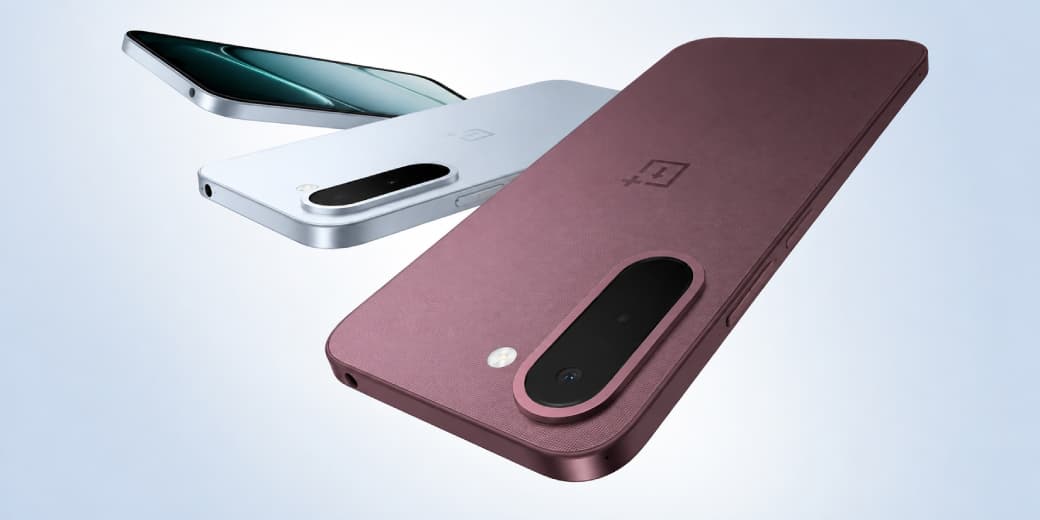 MAMBO Explains
7,000mAh phone batteries are becoming normal, but capacity is not the whole story
The OnePlus N6x confirms that huge batteries are reaching affordable phones. Higher-density chemistry helps the trend, but efficiency and health still decide the experience.
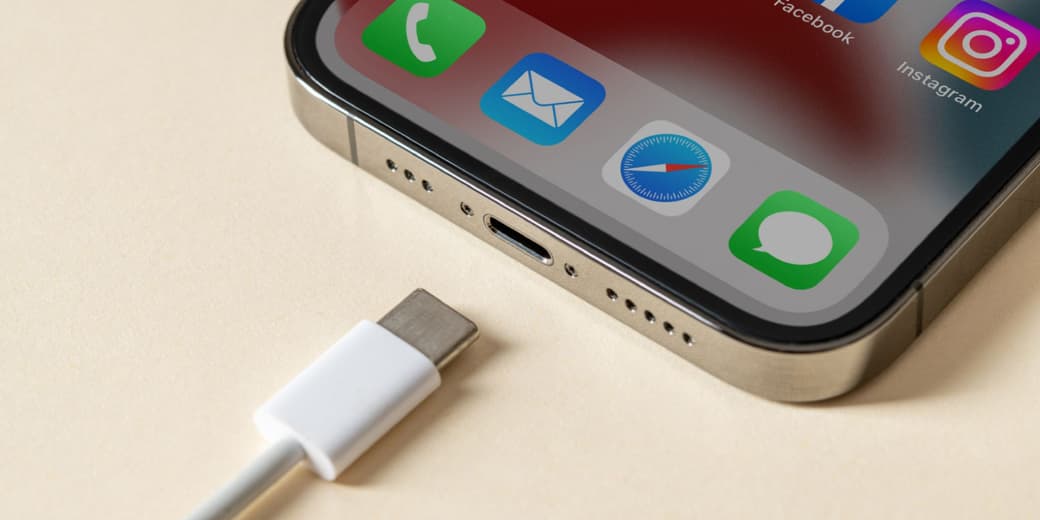 MAMBO Explains
USB-C does not mean fast charging. Here is the right charger for your iPhone or iPad
Two USB-C cables can look identical and behave differently, but the charger and device limit usually decide iPhone charging speed. Here is the practical buying guide.
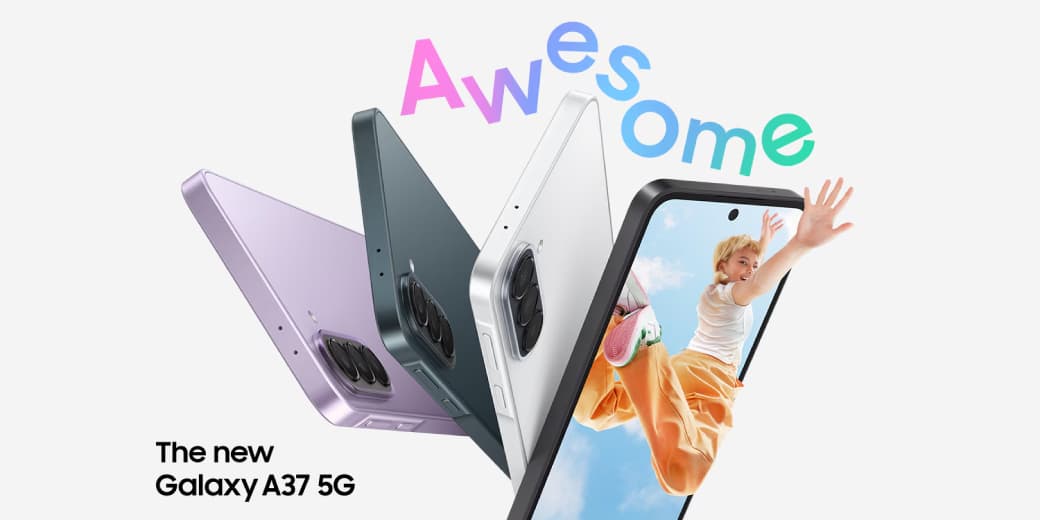 Research-based analysis
Samsung Galaxy A37 5G review: a dependable mid-ranger that plays it safe
The Samsung Galaxy A37 5G gets the important things right, a bright screen, all-day battery, and years of updates, without trying anything bold.