

7,000mAh phone batteries are becoming normal, but capacity is not the whole story
The OnePlus N6x confirms that huge batteries are reaching affordable phones. Higher-density chemistry helps the trend, but efficiency and health still decide the experience.
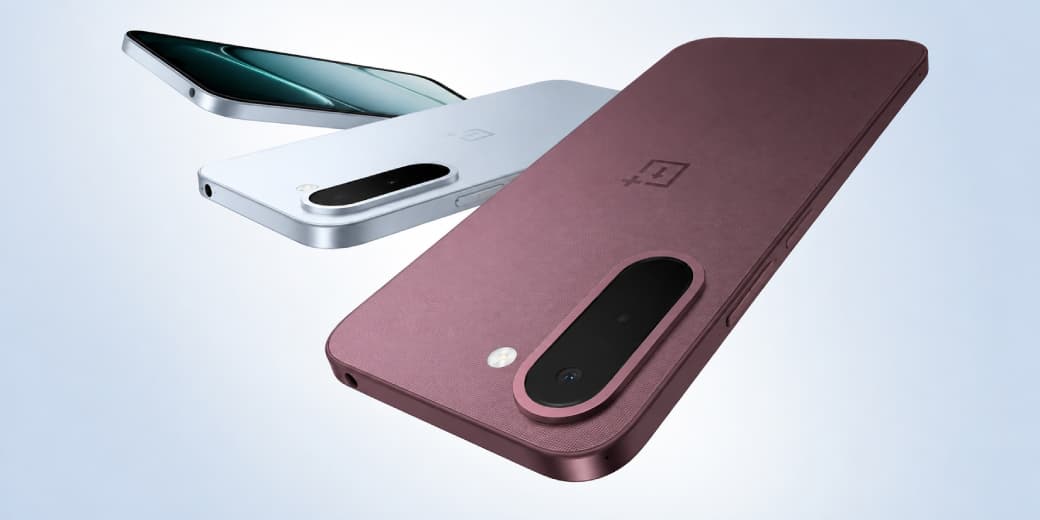
OnePlus has launched the N6x with a 7,000mAh battery in a phone positioned below the company's N6.
Motorola's new Moto Pad 70 Groove tablet carries a 10,200mAh battery alongside a large display and nine-speaker audio system.
Large batteries are no longer reserved for thick rugged phones and specialist endurance devices.
Higher-density battery technology, more efficient processors and aggressive internal packaging are pushing large capacities into ordinary consumer hardware.
Still, a 7,000mAh label does not two days of excellent use.
Capacity is the size of the fuel tank. The processor, display, modem, software, temperature and charging system decide how quickly the fuel disappears and how well the tank ages.
What you need to know
- OnePlus officially lists a 7,000mAh battery for the N6x.
- OnePlus claims up to 2.5 days under its laboratory testing.
- Motorola lists a 10,200mAh battery and 68W charging for the Moto Pad 70 Groove.
- Silicon-carbon anodes help some manufacturers increase energy density.
- OnePlus's public N6x page confirms capacity but does not clearly state battery chemistry.
- A larger battery can increase weight, charging time and heat.
- Real endurance depends on efficiency and usage, not alone.
- Battery-health guarantees and replacement access matter as much as launch capacity.
Large batteries also arrive inside a wider cost squeeze. Read our guide to Qualcomm's September price increase, then use the existing USB-C charging guide to separate battery capacity from charging power.
Why 5,000mAh became the old normal
For several years, roughly 5,000mAh became the standard capacity for mainstream Android phones.
That size offered a practical compromise between device thickness, weight, cost, charging time, heat, safety and daily endurance.
Manufacturers improved mainly through more efficient displays, processors and software rather than making the physical cell much larger.
The current wave breaks that pattern.
Phones with 6,000mAh, 7,000mAh, 8,000mAh and even larger capacities are appearing without becoming obvious bricks.
This is partly a chemistry story and partly an engineering story.
What silicon-carbon changes
Most lithium-ion phone batteries traditionally use graphite in the anode.
Silicon can store more lithium than graphite by mass. Adding silicon to the anode can therefore increase energy density, allowing more capacity inside a similar physical volume.
Manufacturers often refer to these designs as silicon-carbon batteries.
The attraction is clear: more capacity without proportional thickness, better endurance, more space for performance-heavy features, larger batteries in foldables and greater flexibility in internal design.
The challenge is that silicon expands significantly as it stores lithium.
Repeated expansion and contraction can damage the material, reduce capacity and shorten life if the battery is poorly engineered.
Modern designs use silicon-carbon composites, binders, structural techniques and charging management to control that behaviour.
The phrase "silicon-carbon" does not identify one universal recipe.
Different batteries use different silicon percentages and packaging systems.
Does the OnePlus N6x use silicon-carbon?
OnePlus confirms the N6x's 7,000mAh capacity and claims up to 2.5 days of use in its own testing.
The public product page available at publication does not clearly identify the battery chemistry.
That distinction matters.
The N6x proves that a very large battery can now appear in an affordable mainstream phone. It should not be used as confirmed evidence of a particular chemistry unless OnePlus publishes that specification.
Other OnePlus products explicitly describe their silicon-based technology. The OnePlus 15, for example, markets a Silicon NanoStack battery with a stated silicon component.
When a manufacturer wants buyers to know the chemistry, it usually finds space on the page.
Why mAh comparisons can mislead
Milliamp-hours measure electric charge.
They do not directly measure the total energy delivered at different voltages, and they do not describe efficiency.
Two phones with the same capacity can have very different endurance because of display size, display , , processor efficiency, mobile network strength, modem, camera use, gaming, background applications, software optimisation, thermal management and battery age.
A poorly optimised 7,000mAh phone can lose to a well-designed 6,000mAh phone.
Battery testing needs realistic activities, not only a large number on a launch slide.
What OnePlus claims for the N6x
OnePlus says the N6x can provide up to 2.5 days on a charge under its testing conditions.
The phone also includes a 120Hz display and a MediaTek Dimensity 6360 Apex processor.
Laboratory claims are useful for comparison only when the conditions are understood.
Real use changes with 4G or 5G signal quality, screen brightness, navigation, video calls, gaming, camera recording, hot weather, application behaviour, dual-SIM use and battery age.
Kenyan users often face inconsistent network coverage, which can make the modem work harder and consume more power.
A battery test on strong Wi-Fi does not fully represent a day moving between Nairobi, Rongai and a weak indoor signal.
Why tablets use bigger batteries
The Moto Pad 70 Groove has a 12.1-inch display and a 10,200mAh battery.
Tablets have more physical room for cells, but they also power larger screens, more speakers and productivity workloads.
Motorola lists 68W charging on its official product page.
That matters because a large battery charged slowly can create long waits.
Even then, peak charging speed does not remain constant from zero to full. Charging slows as the battery fills and when temperature rises.
A 10,200mAh battery can provide long media use.
Its real value depends on standby drain, software updates and whether the tablet is efficient when the large screen is active.
Does a larger battery make a phone safer?
Not automatically.
Safety depends on cell quality, manufacturing, charging controls, temperature monitoring, physical protection, software, charger quality, damage and age.
A higher-capacity cell stores more energy.
That makes robust design important.
Consumers should use reputable chargers, avoid damaged cables, protect the phone from crushing and replace swollen batteries immediately.
A large capacity from an unknown brand with poor certification is not progress.
It is stored optimism.
What about weight and thickness?
Higher energy density reduces the size penalty.
It does not remove mass.
Large-battery phones can still weigh more, especially when paired with big displays and reinforced frames.
Check the full specification, including weight, thickness, screen size, charging speed, water resistance, repairability and thermal design.
A phone may remain visually slim by becoming wider or heavier.
Marketing photographs rarely show wrist fatigue.
Will the battery still be healthy after four years?
This is the harder question.
Battery capacity falls over time because of chemical ageing, heat and charging cycles.
Some manufacturers now advertise retention targets, such as maintaining a percentage of original capacity after a specified number of years or cycles.
Buyers should look for battery-health guarantees, charging-cycle claims, bypass charging, optimised charging, maximum charge controls, replacement cost, local service access and software support length.
A huge battery that becomes difficult to replace can still shorten the useful life of the device.
Long endurance on day one is good.
Predictable endurance on day one thousand is better.
Does damage large batteries?
Heat and high states of charge can accelerate ageing.
Modern fast-charging systems manage voltage, current and temperature. Some split the battery into cells or place conversion hardware inside the charger to reduce heat in the phone.
The effect depends on the implementation.
Practical habits include using the official or certified charger, avoiding charging under pillows, not gaming heavily while charging unless bypass charging is supported, keeping the device cool, using optimised charging overnight and replacing damaged batteries.
A phone is a tool.
Battery care should improve life, not create a new anxiety hobby.
Why this trend matters in Africa
Battery endurance has unusual value in markets with power interruptions, long commutes, expensive , heavy use, shared charging access, field work, weak network signals, limited public charging and phone-first internet use.
A phone may serve as bank, work tool, camera, map, entertainment screen and identity device.
Running out of power is not merely inconvenient.
It can remove access to money and communication.
Manufacturers targeting African buyers should therefore prioritise endurance without sacrificing software support, repairability and network quality.
A large battery attached to three years of security updates is an oddly short-term product.
Is 7,000mAh the new standard?
It is becoming common, especially among Chinese brands and in battery-focused midrange devices.
It is not yet universal.
Apple, Samsung and Google have moved more cautiously because of global supply chains, weight targets, product dimensions, charging policies and long validation cycles.
The pressure will grow as buyers experience two-day phones from competitors.
Capacity alone will not become the final standard.
The likely new expectation is a package: larger battery, higher energy density, faster charging, four-year or longer health claims, bypass charging, strong efficiency and better thermal control.
The winning product will make battery management less visible.
How buyers should evaluate a battery-first phone
Ask what the measured real-world endurance is, whether the chemistry is disclosed, how heavy the phone is, how fast it charges from 20 to 80 percent, whether charging creates excessive heat, whether bypass charging is available, what health-retention claim is provided, how long software support lasts, whether the battery can be replaced locally and whether the charger is included.
Do not let one large number answer ten different questions.
The tecMAMBO verdict
The 7,000mAh phone is no longer a strange endurance experiment.
It is becoming a mainstream product, and higher-density battery technology is one reason.
That is good news for buyers who are tired of designing their day around a charger.
The next stage should not become a capacity race without accountability.
Manufacturers need to disclose chemistry, health, weight, thermal behaviour and replacement options.
Battery anxiety is dying.
Specification anxiety appears healthy.
FAQ
Does the OnePlus N6x have a 7,000mAh battery?
Yes. OnePlus officially lists a 7,000mAh typical capacity.
Is the N6x battery silicon-carbon?
OnePlus's public N6x page confirms the capacity but does not clearly state the chemistry. It should not be labelled silicon-carbon without further confirmation.
What is a silicon-carbon battery?
It is a lithium-ion battery that uses silicon within a carbon-based anode structure to increase energy density compared with conventional graphite-heavy designs.
Does a bigger battery always last longer?
No. Display, processor, modem, software, temperature and usage can outweigh the capacity advantage.
Is 10,200mAh large for a tablet?
It is a substantial capacity. The Moto Pad 70 Groove pairs it with a 12.1-inch display and 68W charging.
Sources
Share this story
Enjoyed this? Share it with someone who'd appreciate it.
Ask MAMBO
Have a plain-English question about this topic? Send it in and we may answer it in a future guide.
Ask a questionRelated reading

Beyond Range: How Roam Engineered Its Gen-3 Battery Around the Working Boda-Boda Rider
Roam’s new Gen-3 battery is faster to charge, more connected and built to withstand the realities of commercial electric motorcycle use. But its most important upgrade may be something less obvious: reliability.
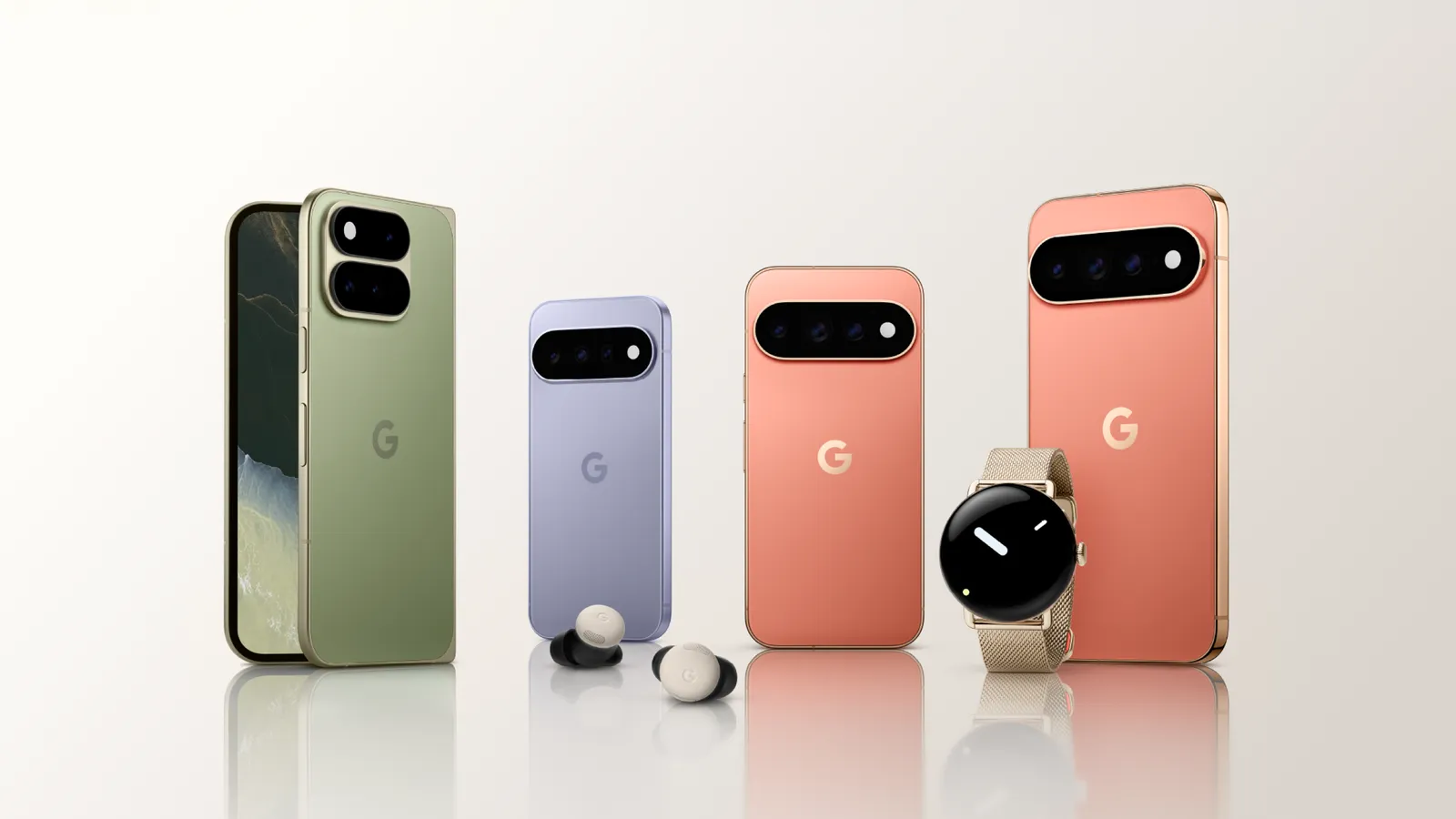
Google Pixel 11 Series Arrives with Tensor G6, HiLight, Better Cameras and Higher Starting Prices
Google's Pixel 11 family is official, bringing Tensor G6, brighter displays, new camera hardware, Proactive Assistance, Qi2.2 charging and the return of notification lights through HiLight.
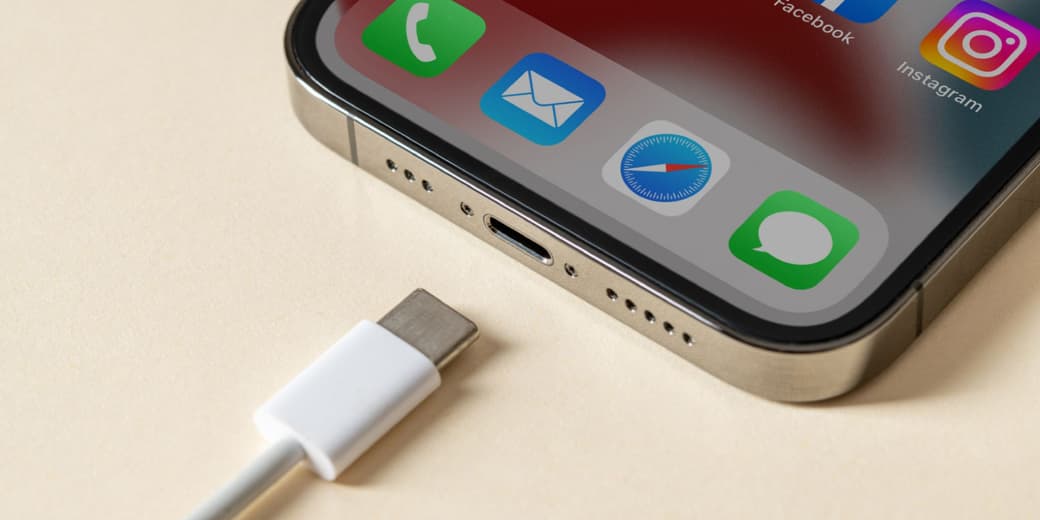
USB-C does not mean fast charging. Here is the right charger for your iPhone or iPad
Two USB-C cables can look identical and behave differently, but the charger and device limit usually decide iPhone charging speed. Here is the practical buying guide.