

Can a budget phone survive a year of matatu commutes? We asked five people
A budget phone is not used gently.

This feature needs five named or anonymized interviews, exact models, purchase dates, and current condition checks before publishing.
The question is not whether a budget phone can last one year. Many can. The better question is what kind of year it has. Does the battery still last? Is the screen scratched into a permanent fog? Does the charging port need the cable held at a special angle? Does the phone freeze when opening at the worst possible moment?
One year also changes how people talk about a phone. The first month is full of opinions about camera, speed, and looks. By month twelve, people talk about different things: battery, , cracked glass, update prompts, and whether the phone still behaves when they are in a hurry. That is the more honest review.
Matatu commuting exposes small weaknesses. A dim screen becomes annoying in bright sun. Weak speakers make calls harder near traffic. A slippery phone becomes risky when you are paying, holding a bag, and trying not to miss your stop. A poor fingerprint sensor feels like a small irritation until it happens ten times a day.
The people to ask should represent different routines: a student, a shop attendant, an office commuter, a parent, and someone who uses the phone for side hustles. Their answers will show what specs cannot. One person may care most about battery. Another may care about storage because WhatsApp groups eat space. Another may say the camera was fine until the lens cover scratched.
The expected pattern is simple: budget phones survive better when buyers protect the basics early. A decent case, screen protector, careful charging cable, and storage discipline can add months of calm use. But software updates, weak batteries, and poor build quality still catch up.
The interviews should ask about embarrassment too. Did the phone fail during a payment? Did it freeze while showing a ticket? Did it die before someone got home? is not only cracks and scratches. It is whether the phone keeps dignity intact during ordinary public moments.
There is also a repair economy around budget phones. Some are easy and cheap to fix. Others are so cheap that repairs barely make sense. If a screen replacement costs too close to the price of another used phone, the owner may simply live with the crack until the device becomes unbearable.
The story should also capture pride. People often keep budget phones working through clever routines: deleting videos every Sunday, carrying a small charger, using a cracked corner carefully, or turning off background apps before a long day. Those habits are not failure. They are how people stretch value from devices that were never built with much margin.
Still, the burden should not all be on the user. If a phone slows badly after one year, if storage fills from system files, or if updates stop early, that is a product problem. Budget buyers deserve honesty too.
Go deeper
For each phone, record RAM, storage, battery capacity, Android version, security patch date, repair history, battery health signs, charging port condition, screen brightness complaints, speaker and microphone condition, and storage remaining after one year. Also compare official repair cost against the phone's current resale value. A repair that costs half the phone may not make sense.
If your budget phone has survived a year of Nairobi movement, we want to hear what held up and what gave up first.
Ask MAMBO
Have a plain-English question about this topic? Send it in and we may answer it in a future guide.
Ask a questionRelated reading
 Should you care?
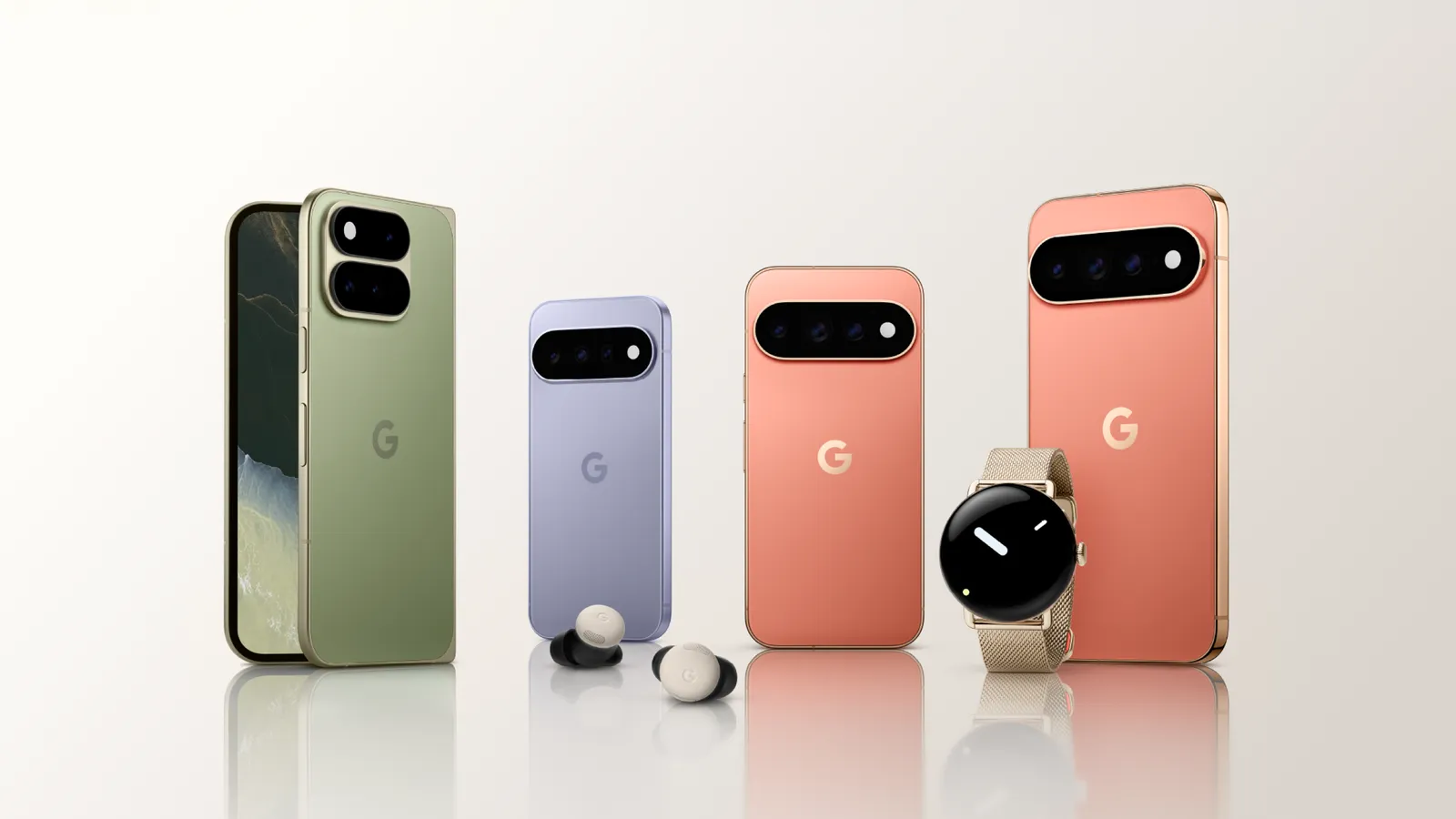
Google Pixel 11 Series Arrives with Tensor G6, HiLight, Better Cameras and Higher Starting Prices
Google's Pixel 11 family is official, bringing Tensor G6, brighter displays, new camera hardware, Proactive Assistance, Qi2.2 charging and the return of notification lights through HiLight.
 MAMBO Take
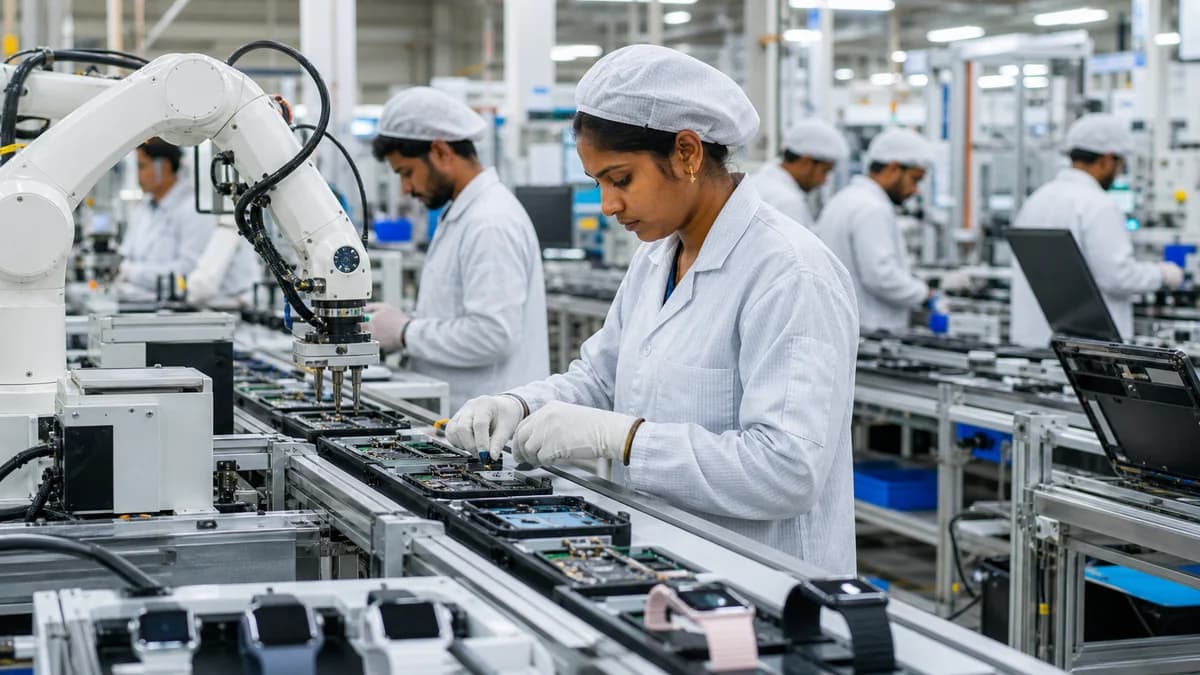
India wants to lock in electronics manufacturing until 2041, and Apple is a major reason why
India proposes extending tax exemptions for foreign electronics suppliers to 2041 as it scales smartphone, laptop, tablet and wearable manufacturing.
 Should you care?
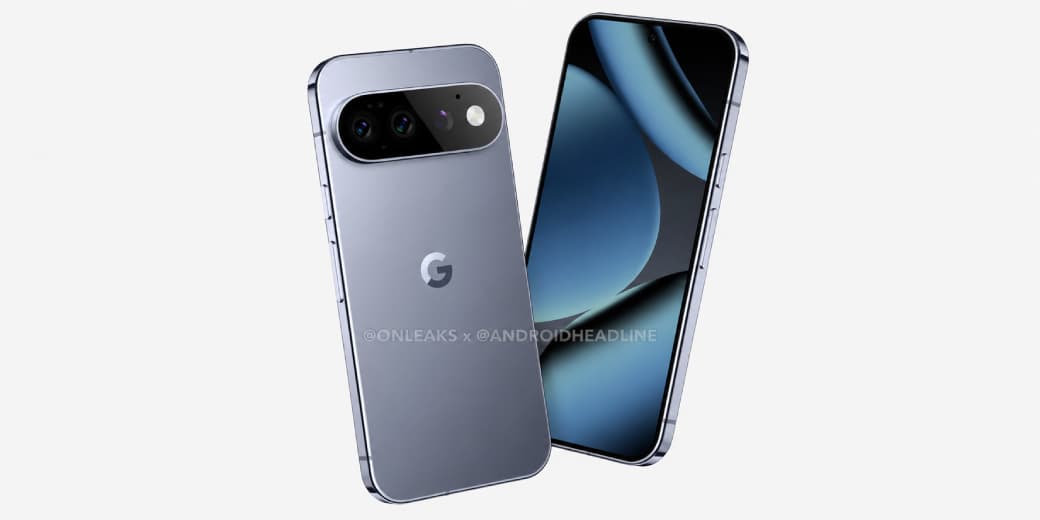
Google says Pixel 11 prices are going up. The exact damage arrives on August 12
Google says it can no longer absorb the memory crisis and is redesigning Android to use RAM more efficiently.