

Why "flagship" phones stopped feeling exciting, and what would fix it
Premium phones are better than ever, yet many launches feel oddly flat.

Flagship phones did not become bad. That is the funny part. They became so good that the next upgrade often feels small. Screens are already sharp. Cameras are already strong. Chips are already fast for most people. is decent. Designs are polished. The problem is not failure. It is maturity.
For years, buying a flagship meant obvious change. Your photos improved dramatically. Apps opened faster. The screen looked cleaner. Charging improved. The phone felt like a leap. Now, if you bought a good flagship two years ago, the new one may feel like a refinement with a new camera bump.
That is not only the fault of phone makers. It is also a sign that the product category grew up. A mature product stops surprising you every year. Fridges, TVs, and laptops went through a similar shift. The question becomes less "What is new?" and more "What is meaningfully better?"
Phone companies know this, so they reach for language. AI. Pro. Ultra. Studio-grade. Desktop-class. Some of those features are useful. Many are not felt every day. A phone can summarize notes, remove people from photos, and brighten night shots, yet still leave you wondering why the launch needed an hour.
What would fix it? First, battery breakthroughs people can feel. A true two-day flagship that stays thin enough and charges safely would be exciting. Second, repair and longevity as headline features. Imagine a premium phone sold with affordable battery replacement, seven years of smooth updates, and clear repair pricing.
Third, cameras should become more honest. Less fake moon drama, more reliable photos of moving kids, dark skin, food under warm bulbs, and video calls in bad lighting. That is where life happens.
Fourth, phones need calmer software. Fewer duplicate apps, fewer permission nags, fewer features shouting for attention. A flagship should feel powerful, yes, but also settled.
The next exciting phone may not be the one that does the most. It may be the one that removes the most friction from an ordinary day.
There is still room for delight. A phone that lasts longer without getting thicker would be delightful. A camera that captures fast-moving people indoors without blur would be delightful. A repair process that does not feel like punishment would be delightful. A software skin that gets calmer over time instead of busier would be delightful.
Maybe the problem is that flagships became obsessed with impressing reviewers instead of relieving users. Benchmarks, zoom ranges, and AI demos are easy to stage. Peace of mind is harder to market, but it is what people remember after the launch lights go off.
The next wave of excitement may come from trust. Trust that your battery will last. Trust that your photos will not embarrass you in difficult lighting. Trust that the phone will be repaired at a fair price. Trust that software updates will not make the device feel heavier every year. That kind of trust is less shiny than a launch slogan, but it is much closer to why people stay loyal.
Flagship phones do not need to become weird again. They need to become meaningfully better at the parts of life people still complain about. That is a harder challenge than adding another camera ring, but it is also more interesting.
Go deeper
The smartphone market has hit diminishing returns in several mature areas: display resolution, peak chip performance, daylight camera quality, and industrial design. Meaningful progress now depends on battery chemistry, thermal design, computational photography for difficult subjects, modem efficiency, repairability, local AI usefulness, and longer software support. The industry also needs clearer metrics. Peak brightness is less useful than outdoor readability over time. Benchmark scores matter less than sustained performance. Camera megapixels matter less than shutter speed, processing consistency, and motion handling.
Tell us what would make a new phone feel exciting to you again, not just impressive on paper.
Ask MAMBO
Have a plain-English question about this topic? Send it in and we may answer it in a future guide.
Ask a questionRelated reading
 Should you care?
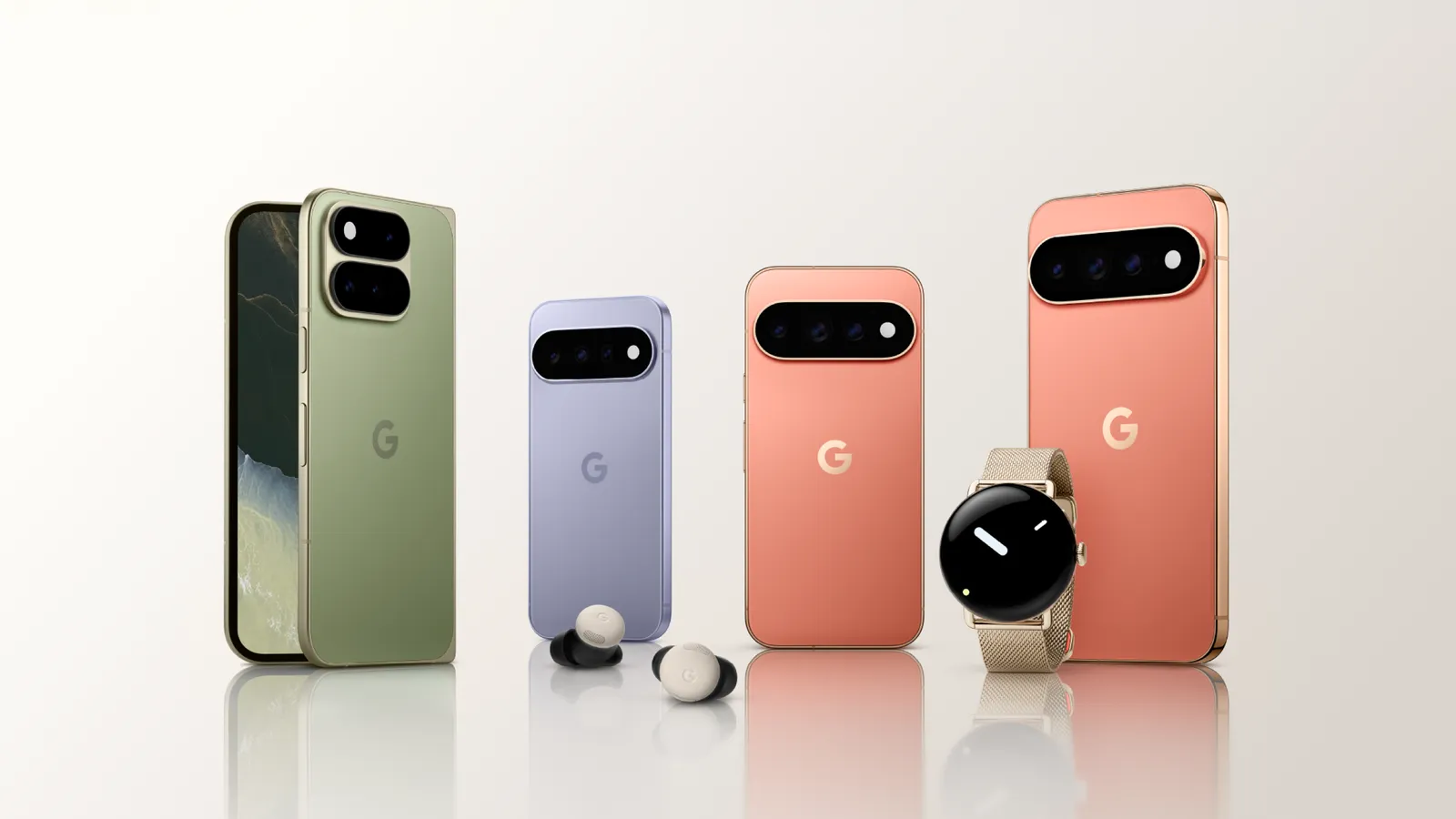
Google Pixel 11 Series Arrives with Tensor G6, HiLight, Better Cameras and Higher Starting Prices
Google's Pixel 11 family is official, bringing Tensor G6, brighter displays, new camera hardware, Proactive Assistance, Qi2.2 charging and the return of notification lights through HiLight.
 MAMBO Take
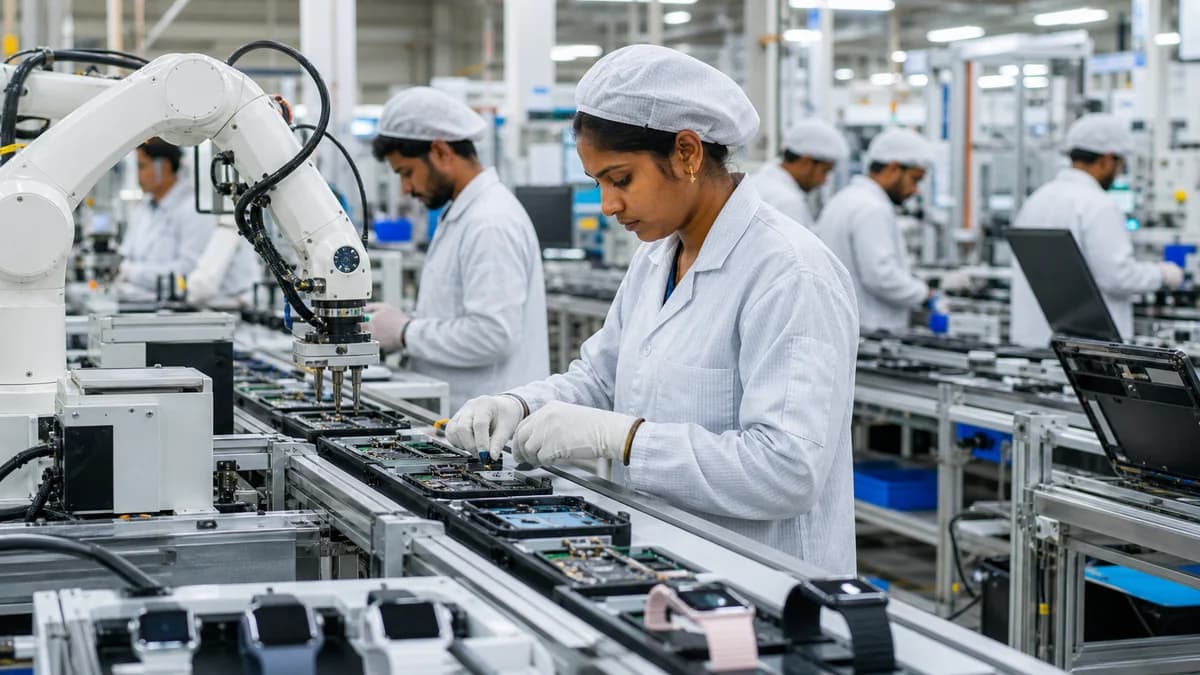
India wants to lock in electronics manufacturing until 2041, and Apple is a major reason why
India proposes extending tax exemptions for foreign electronics suppliers to 2041 as it scales smartphone, laptop, tablet and wearable manufacturing.
 Should you care?
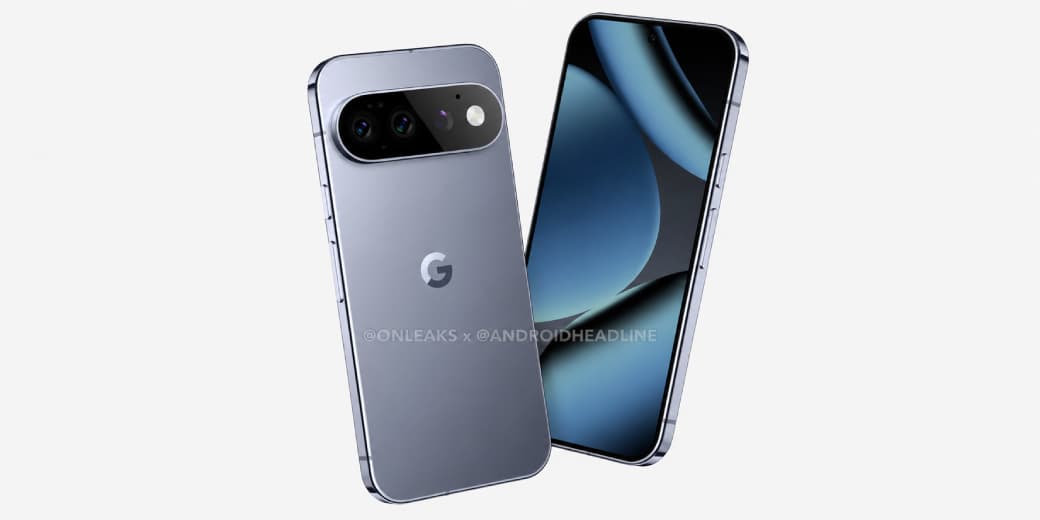
Google says Pixel 11 prices are going up. The exact damage arrives on August 12
Google says it can no longer absorb the memory crisis and is redesigning Android to use RAM more efficiently.