

TikTok Asks Kenyan Creators for Tax Details as Withholding Rules Move Into the Platform
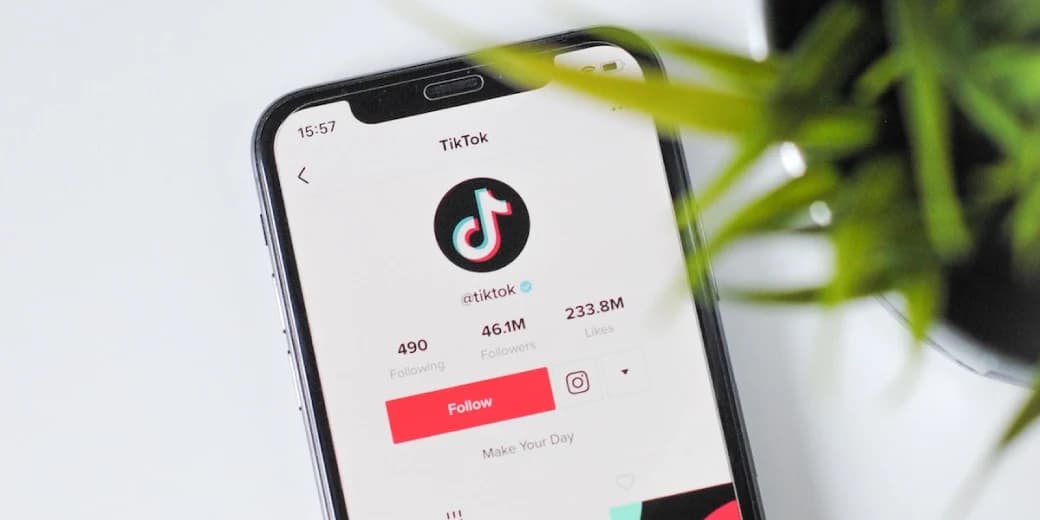
TikTok is asking Kenyan creators for tax and residency information as the platform prepares to comply with Kenya's digital content withholding requirements.
Quick answer
Kenyan TikTok creators who earn money through the platform are being asked to provide tax and residency information as TikTok moves to comply with Kenya's tax requirements.
Kenyan TikTok creators who earn money through the platform are being asked to provide tax and residency information as TikTok moves to comply with Kenya's tax requirements. The notification is appearing through TikTok's system communications and directs affected creators to complete a Kenyan tax form.
TikTok says the information is used to verify tax responsibilities and fulfil payment obligations. The development is significant because it brings tax compliance closer to the point where creator earnings are paid.
What information is TikTok requesting?
Reports from Kenyan media say the form asks creators for their name, email address, residential address, country of residence and residential status. Creators are asked to identify themselves as residents or non-residents of Kenya.
Reports have cited a 5% rate for Kenyan residents and 20% for non-residents, although TikTok has not published a complete public explanation covering every creator payment programme and its exact treatment.
Creators should therefore avoid assuming that every TikTok payment will automatically receive the same deduction.
Is this a new tax?
Not necessarily. Kenya's digital content monetisation tax framework predates TikTok's current notification. The platform-level process is better understood as an enforcement and collection mechanism for obligations already established in Kenyan law.
The notification does not necessarily mean Kenya suddenly created a TikTok-specific tax. Instead, TikTok is increasingly becoming part of the payment and reporting process.
Why platforms are becoming part of tax collection
Digital creators can earn money from companies that operate across borders. A creator may live in Nairobi while receiving payments from a platform headquartered elsewhere. That creates a practical collection challenge.
Platform-level withholding makes the process more direct. The platform knows how much it is paying the creator, can identify the account and can deduct applicable tax before the money reaches the recipient.
Withholding is not necessarily the final tax bill
Creators should understand the difference between withholding tax and their overall tax position. Withholding means tax is deducted before the recipient receives the money. Depending on the income category and taxpayer circumstances, the withheld amount can potentially be credited against tax due later.
Creators should therefore keep payout statements and tax certificates. A 5% deduction should not automatically be interpreted as the complete annual tax obligation.
What creators should do now
The practical first step is to verify that a tax request genuinely comes from TikTok. Creators should use official TikTok notifications and avoid submitting tax information through suspicious links.
They should also begin maintaining better financial records, including gross platform earnings, tax withheld, net payments, payout dates, statements and tax certificates.
The privacy question
The tax form also raises a data protection question because creators are providing personal information that can include residential details. TikTok says the information is needed to verify tax responsibility and fulfil payment obligations.
Creators should understand what information they are submitting and use official platform channels. Tax compliance has also become a target for scams, so creators should be cautious about fake messages requesting KRA PINs, passwords or banking credentials.
TikTok has not answered every question
Several implementation details remain unclear. Reporting indicates that TikTok has not provided a universal start date for deductions or a detailed public explanation of how every payout type will be treated.
That matters because TikTok's monetisation products vary by country. A feature available to creators elsewhere may not be available in Kenya.
What this means for Kenya's creator economy
The creator economy is becoming more formal. A TikTok account can now function like a small media business. Creators can earn money, work with brands, hire editors and build audiences with measurable economic value.
Once that happens, governments have a reason to treat creator income as taxable economic activity. For creators, formalization creates obligations but can also create advantages. Good records can help demonstrate income when applying for financial services, registering businesses or negotiating commercial contracts.
The wider trend
TikTok's request is part of a larger change in the relationship between platforms and governments. Digital platforms increasingly have responsibilities around payments, identity, reporting, taxation and consumer protection.
Bottom line
TikTok's request for Kenyan creators to provide tax and residency information is another sign that the creator economy is becoming more integrated with formal financial systems. The reported 5% and 20% rates should be treated as reported tax treatment rather than a universal statement about every TikTok payment. Creators should provide accurate information through official channels, retain payout records and seek professional advice where necessary.
Reporting note: This article reflects public reporting on TikTok's September 2026 tax notification and Kenya's digital content taxation framework. Individual tax treatment can vary.
Sources
Share this story
Enjoyed this? Share it with someone who'd appreciate it.
Ask MAMBO
Have a plain-English question about this topic? Send it in and we may answer it in a future guide.
Ask a questionRelated reading
TikTok is quietly turning Live music and DMs into creator business infrastructure
TikTok's latest creator tools are less about viral effects and more about operations, from organising business leads in DMs to turning original music into a LIVE experience.
EPRA Removes Kenya's 15,000 kWh Monthly EV Charging Limit, Changing the Economics of Electric Mobility
Kenya's electric mobility industry has received a regulatory change that could materially affect the economics of charging infrastructure.

Kenya just opened a $390 million tender to expand its fiber backbone, here's exactly what's being bid on
Kenya's ICT Authority opened an international tender, referenced KE-ICTA-538567-NC-RFB, to expand the National Optic Fibre Backbone Infrastructure and strengthen cross-border and metropolitan connectivity, under the World Bank-backed Kenya Digital Economy Acceleration Project.