

Why two phones with the "same" camera megapixels take different photos
Megapixels are easy to advertise, but they are only one part of a camera.

Two phones can both say "50MP" and still take very different photos. That is because megapixels tell you how many tiny dots the camera can capture. They do not tell you how much light the camera gathers, how good the lens is, how smart the processing is, or how quickly the phone handles motion.
Light is the big one. A larger sensor usually has more room to catch light. More light means cleaner photos, better skin tones, and less smudgy detail indoors. A smaller sensor with the same count may struggle in a restaurant, at a birthday party, or during a night walk home.
The lens matters too. A sharper lens gives the sensor better information. A weak lens can make photos look soft even when the megapixel count sounds impressive. Stabilization also matters. If your hand shakes, can help the camera keep a shot clean, especially in low light.
Then there is software. Modern phone photos are heavily processed. The phone combines frames, brightens shadows, reduces noise, sharpens faces, and balances color. Some brands prefer punchy colors. Others go for a more natural look. Some phones handle dark skin tones better than others. That difference is not written clearly in the megapixel number.
This is why a lower-megapixel flagship can beat a higher-megapixel budget phone. It may have a better sensor, better lens, better image processing, and more powerful hardware behind the scenes.
Another difference is speed. A phone that takes half a second too long to focus can miss the smile, the dance move, or the receipt you needed to capture quickly. Good cameras are not only about final image quality. They are also about trust. You open the camera, tap, and expect the shot to be usable.
Selfies add another wrinkle. Some phones brighten faces aggressively, smooth skin too much, or change skin tone in ways that look flattering to the software but strange to the person in the photo. If you take many selfies or record front-camera videos, test the front camera with the same seriousness as the rear camera.
When buying, look at real sample photos, especially indoors, at night, and with moving people. Bright outdoor photos are the easy test. The hard test is your nephew running across a sitting room while the lights are not great.
Also check consistency between lenses. A phone may have a strong main camera and a weak ultrawide. It may take good photos at 1x and suddenly become mushy at 2x or 5x. If you like taking group photos, landscapes, food, or stage shots at events, those extra camera modes matter more than the headline megapixel count.
Video deserves its own attention. Some phones take lovely still photos and then fall apart when recording. Stabilization may wobble, microphones may sound thin, or exposure may jump when you move from shade into sunlight. If you record TikToks, school events, product videos, or family moments, test video before you buy.
The best camera phone for you is the one that matches your habits. A parent needs motion handling. A food seller may need close-up detail and good color. A student may care about scanning notes clearly. A creator may need reliable front-camera video. Megapixels do not know any of that. You do.
Go deeper
Many high-megapixel phone cameras use pixel binning. A 50MP sensor may combine four pixels into one larger virtual pixel and output a 12.5MP photo by default. This can improve low-light performance and reduce noise. Important camera factors include sensor size, pixel size after binning, aperture, lens quality, autofocus system, optical image stabilization, image signal processor, HDR pipeline, and tuning. Video adds another layer: stabilization, rolling shutter, microphone quality, bitrate, and thermal limits. Spec sheets help, but camera tuning is deeply practical. Always compare real samples from the exact model, not only the brand.
If a phone camera spec looks too good to be true, send us the listing and we will help you read it.
Ask MAMBO
Have a plain-English question about this topic? Send it in and we may answer it in a future guide.
Ask a questionRelated reading
 Should you care?
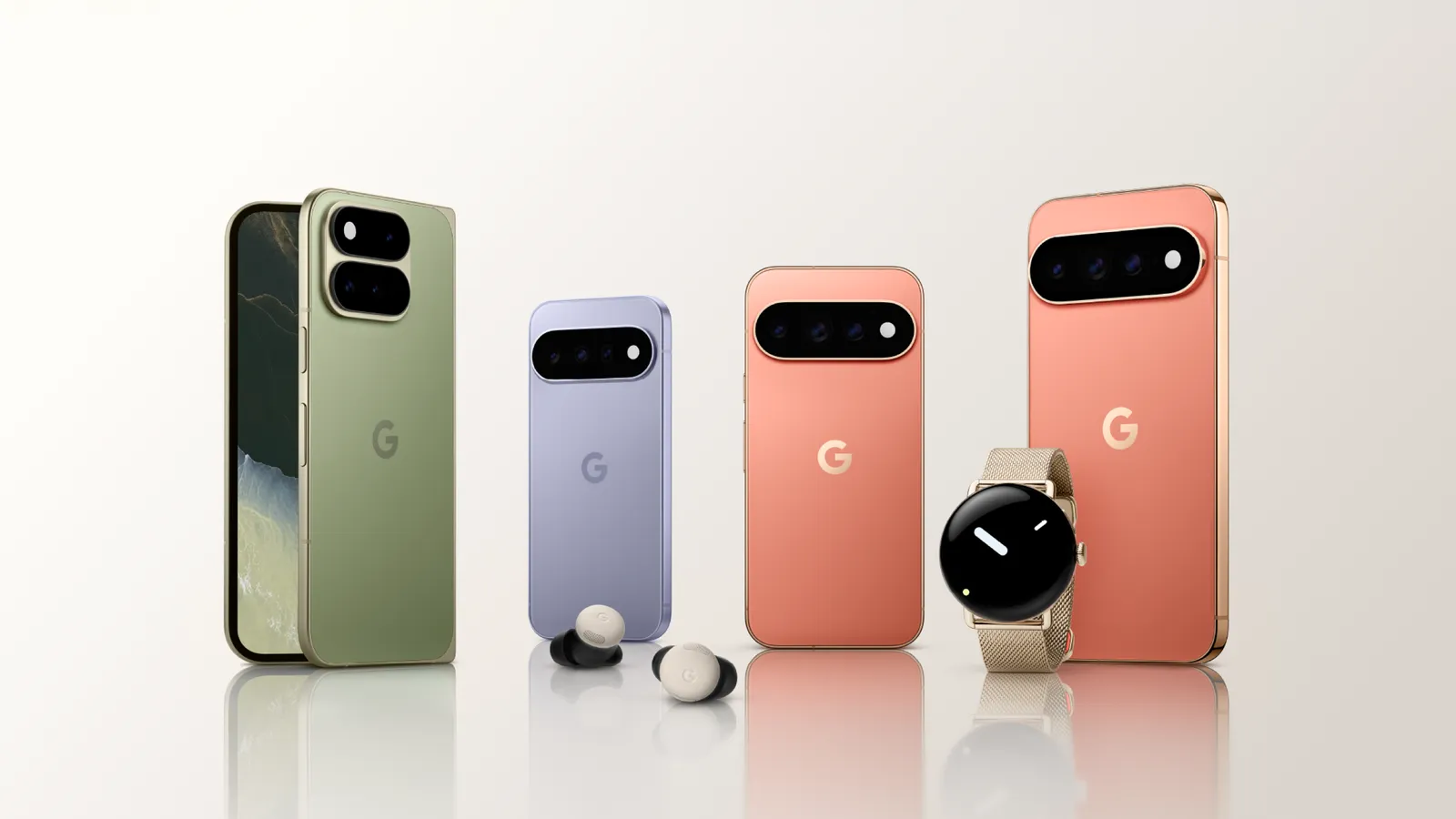
Google Pixel 11 Series Arrives with Tensor G6, HiLight, Better Cameras and Higher Starting Prices
Google's Pixel 11 family is official, bringing Tensor G6, brighter displays, new camera hardware, Proactive Assistance, Qi2.2 charging and the return of notification lights through HiLight.
 MAMBO Take
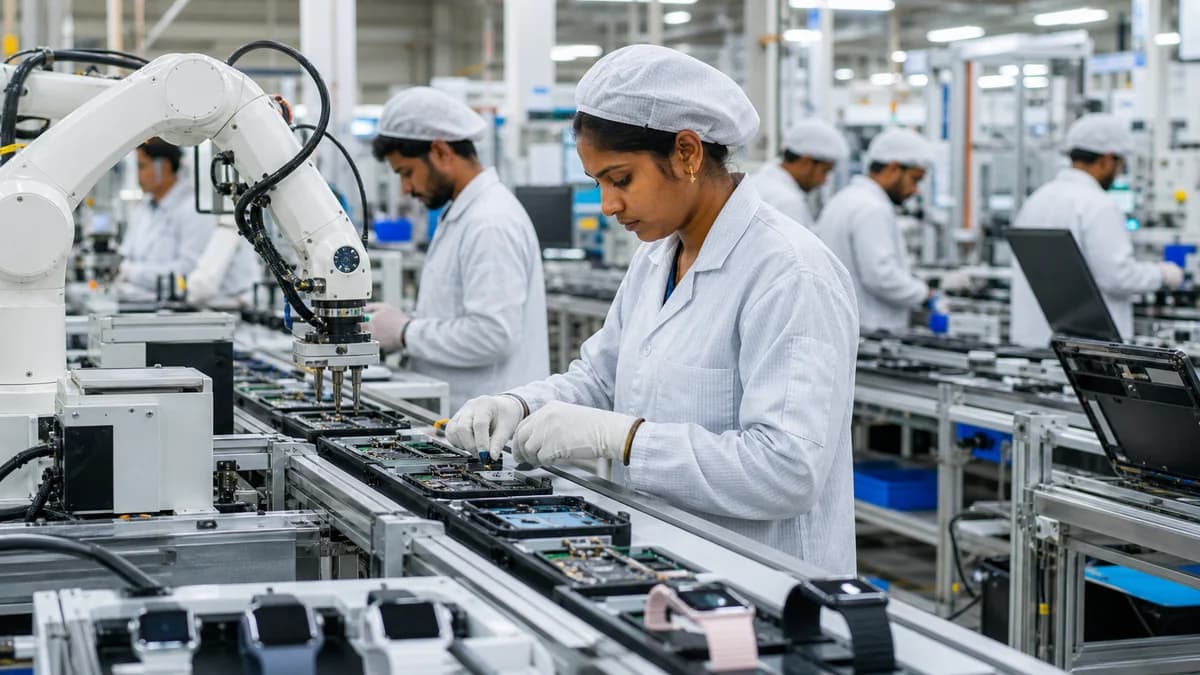
India wants to lock in electronics manufacturing until 2041, and Apple is a major reason why
India proposes extending tax exemptions for foreign electronics suppliers to 2041 as it scales smartphone, laptop, tablet and wearable manufacturing.
 Should you care?
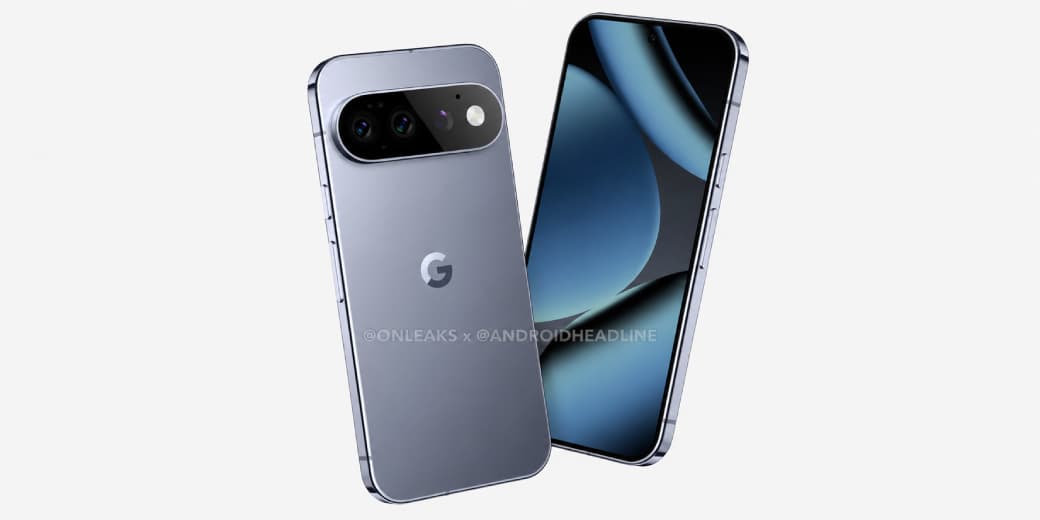
Google says Pixel 11 prices are going up. The exact damage arrives on August 12
Google says it can no longer absorb the memory crisis and is redesigning Android to use RAM more efficiently.