

KRA's blockchain clearance platform could reduce port delays, but only if every agency uses it
TLIP aims to replace duplicated cargo files with one shared record. The technology matters, but agency integration and clean data will decide whether clearance becomes faster.
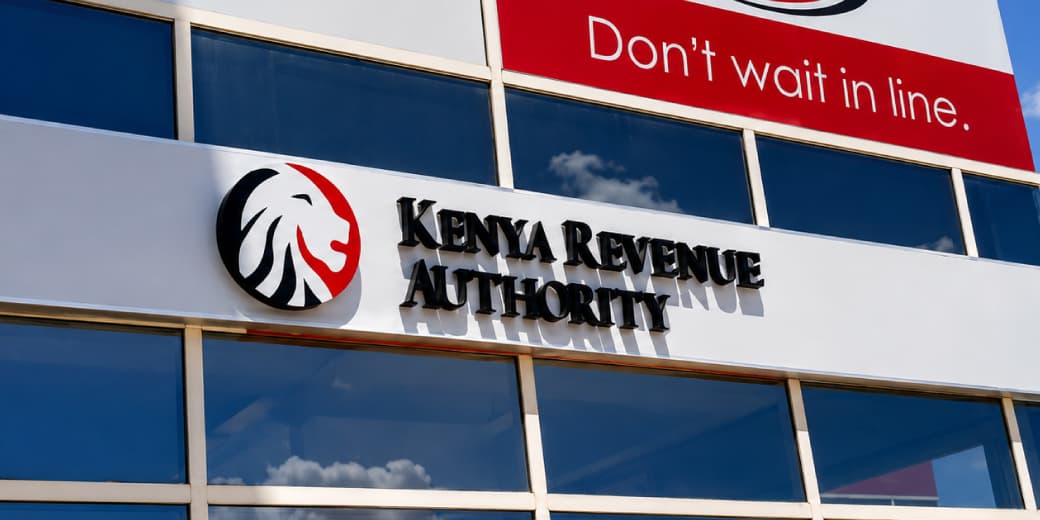
The Kenya Revenue Authority is rolling out a blockchain-based trade system called the Trade Logistics Information Pipeline.
TLIP is intended to let importers, exporters, shipping lines, clearing agents and government regulators work from a shared digital cargo record instead of maintaining separate files that must be repeatedly checked and reconciled.
That could reduce paperwork, document fraud and avoidable port delays.
The phrase "blockchain platform" will attract attention.
The harder work is less fashionable: getting every institution to trust, update and act on the same information.
What you need to know
- TLIP stands for Trade Logistics Information Pipeline.
- The platform creates a shared record for cargo and clearance data.
- It targets duplicated paperwork and slow information exchange.
- Blockchain can make record changes traceable.
- It cannot ensure that the original information is true.
- Faster customs requires integration across KRA, ports, shipping, standards and other agencies.
- Businesses need clear rules on access, errors, privacy and system downtime.
Kenya's wider equipment rules show why digital trade systems still depend on clear administration. See our explanation of the KSh250,000 communications-equipment importer licence.
What problem is TLIP trying to solve?
Cargo clearance involves many organisations.
A typical container can generate documents related to shipping, customs declarations, taxes, port handling, standards inspection, health approvals, agriculture approvals, insurance, transport, warehousing and payment.
When each party keeps a separate record, the same information is entered repeatedly.
Errors spread. Staff spend time confirming documents. Fraudsters exploit gaps between systems. Importers wait while one agency requests information another agency already holds.
TLIP attempts to create one shared information pipeline.
The goal is not merely digitising paper.
It is reducing the number of conflicting versions of the same cargo story.
Why use blockchain?
A blockchain stores records across a controlled network and makes changes traceable.
For trade logistics, it can provide shared visibility, time-stamped actions, tamper evidence, permission controls, document history, reduced reconciliation and automated workflow triggers.
KRA and authorised partners can see when a record was created, changed or approved.
That can make it harder to replace a document quietly after the fact.
The term does not mean every participant sees every detail. Enterprise blockchain systems can limit access according to role.
The technology is valuable when several institutions need a common record but do not want one participant to alter history without detection.
What blockchain does not solve
It does not verify reality by itself.
A false invoice placed on a blockchain remains a false invoice with excellent record keeping.
A corrupt official can approve bad information. A broken scanner can upload the wrong document. An importer can make an incorrect declaration.
The platform still needs identity verification, data standards, audits, physical inspection, risk analysis, appeals, penalties and human accountability.
Blockchain protects record integrity after entry.
It does not create honesty at the keyboard.
Why agency integration matters
Kenya's border process includes multiple authorities.
If TLIP connects only part of the chain, users may still print documents or visit offices for the remaining approvals.
A complete system needs integration with customs, port operations, standards, health, agriculture, shipping and transport.
The practical test is simple.
Can an importer submit information once and watch every required authority act on it?
If the answer is no, the blockchain becomes another portal added to an already crowded collection.
Digitisation fails when it preserves every old process and gives each one a password.
Could TLIP reduce corruption?
It can reduce some opportunities.
A visible audit trail makes it harder to hide unexplained changes or approvals. Shared data can expose conflicting declarations. Automated risk rules can reduce discretionary decisions.
Corruption can also move.
Officials may manipulate the original input, demand payment before entering an approval or exploit exceptions outside the platform.
Anti-corruption design needs public service standards, clear fees, case tracking, reason codes, random audits, protected reporting and consequences.
Technology can narrow the dark corners.
Institutions decide whether anyone turns on the light.
What happens when the system is down?
Trade systems are critical infrastructure.
An outage can stop cargo, create demurrage costs and disrupt supply chains.
KRA needs redundant hosting, disaster recovery, offline procedures, clear status communication, cyberattack response, data backups and tested failover.
Businesses should know what happens when a deadline arrives during an outage.
A paper process may be slow, but people understand how it fails.
A national digital system can fail faster and more widely.
Who controls the data?
TLIP will contain commercially sensitive information, including suppliers, prices, routes, customers, cargo, declarations and business volumes.
The governance questions include:
- Which agencies can see which fields?
- How long is data retained?
- Can private logistics firms access competitors' information?
- How are errors corrected?
- Can data be used for unrelated enforcement?
- Where is it hosted?
- Who audits access?
Shared visibility should not become unlimited visibility.
What importers and agents should prepare for
Businesses may need to clean master data, standardise product descriptions, update internal systems, train staff, use digital signatures and improve cybersecurity.
Smaller clearing agents may face a learning and integration cost.
KRA should provide training, testing environments and clear technical documentation.
A platform that works only for companies with large IT departments can increase inequality inside the logistics sector.
How should errors be corrected?
An immutable record does not mean an incorrect entry can never be fixed.
A well-designed system records the original entry, the correction, who made it and why.
Importers need a clear dispute process when quantities, values, classifications or approvals are wrong.
The correction process should be fast enough to prevent costs from accumulating while agencies debate responsibility.
Blockchain can preserve the history of the dispute.
It cannot decide who is right.
That requires rules, evidence and accountable officers.
The economic upside
Port delays increase the cost of goods.
Importers pay storage, demurrage, finance and transport costs while cargo waits.
Those costs eventually reach consumers.
Faster and more predictable clearance can reduce inventory uncertainty, improve regional trade, strengthen Mombasa's competitiveness and support better tax compliance.
Predictability may matter more than raw speed.
A company can plan around a known three-day process more easily than a process that sometimes takes one day and sometimes two weeks.
How Kenya should measure success
KRA should publish operational evidence such as:
- Average clearance time before and after TLIP
- Percentage of documents submitted once
- Number of agencies integrated
- System uptime
- Disputes resolved
- Fraud cases detected
- User satisfaction
- Cost per clearance
- Small-business adoption
- Demurrage reductions
A blockchain launch is an input.
Fewer containers waiting at the port is the outcome.
The tecMAMBO take
KRA's TLIP platform addresses a real problem.
Kenya does not need more digitised forms that cannot speak to one another.
It needs a shared trade workflow where information moves once, decisions are visible and errors can be corrected without personal connections.
Blockchain can support that system.
It cannot substitute for agency cooperation, good data and accountable public service.
The most important part of TLIP is not the chain.
It is whether everyone stops pulling in different directions.
FAQ
What is KRA TLIP?
TLIP is the Trade Logistics Information Pipeline, a shared digital platform for cargo and customs information.
Does TLIP use blockchain?
Yes. KRA describes it as a blockchain-based system designed to create a traceable shared record.
Will TLIP remove all customs paperwork?
The aim is to reduce duplicated paper processes, but full removal depends on agency integration and legal acceptance of digital records.
Can blockchain stop customs fraud?
It can make record changes easier to trace, but fraud can still occur through false inputs, collusion or offline activity.
Who will use TLIP?
Expected users include importers, exporters, shipping lines, clearing agents and government regulators.
Sources
Share this story
Enjoyed this? Share it with someone who'd appreciate it.
Ask MAMBO
Have a plain-English question about this topic? Send it in and we may answer it in a future guide.
Ask a questionRelated reading

Inside Kenya's "Startup Graveyard": Twiga Joins a KES 93 Billion Wreckage, and One Number Complicates the Story
This is a labeled analysis piece, not neutral reporting.
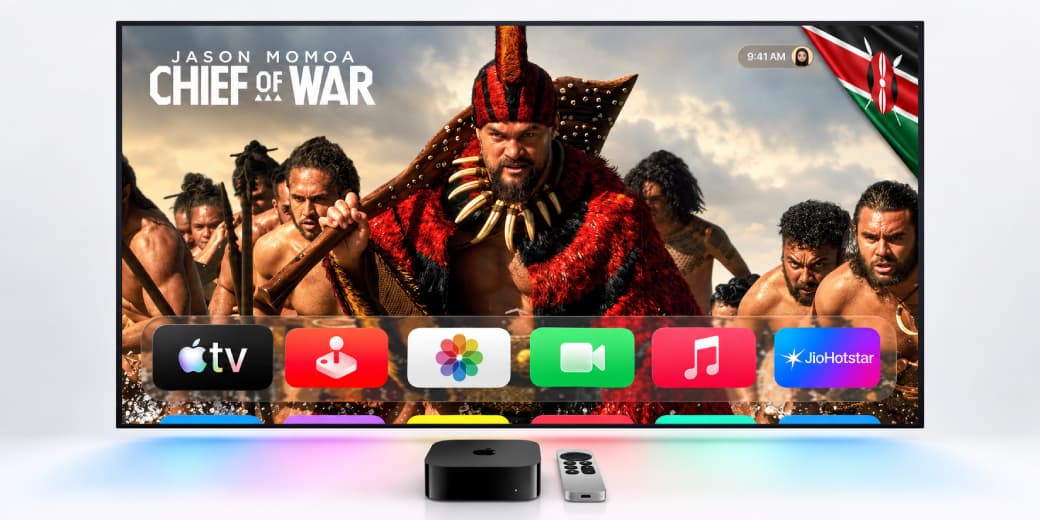
Apple TV just came to Kenya for the first time, bundled into a $0.99 cloud storage plan
Apple TV is available for the first time ever in Kenya as of this month, bundled at no extra cost into every paid iCloud+ subscription, including the entry-level 50GB plan, which stays at $0.99 a month, roughly KES 128.

Kenya's High Court just unwound a $1.58 billion Safaricom sale that closed three months ago
Kenya's High Court declared the government's sale of a 15% stake in Safaricom PLC to Vodacom Group unconstitutional, null and void, and ordered the shares restored to the state.