

Kenya's new KSh250,000 licence to import phones and routers, explained
The Communications Authority wants every phone, router, and modem importer licensed and type-approved. The aim is fewer counterfeits, but the cost falls on the trade.
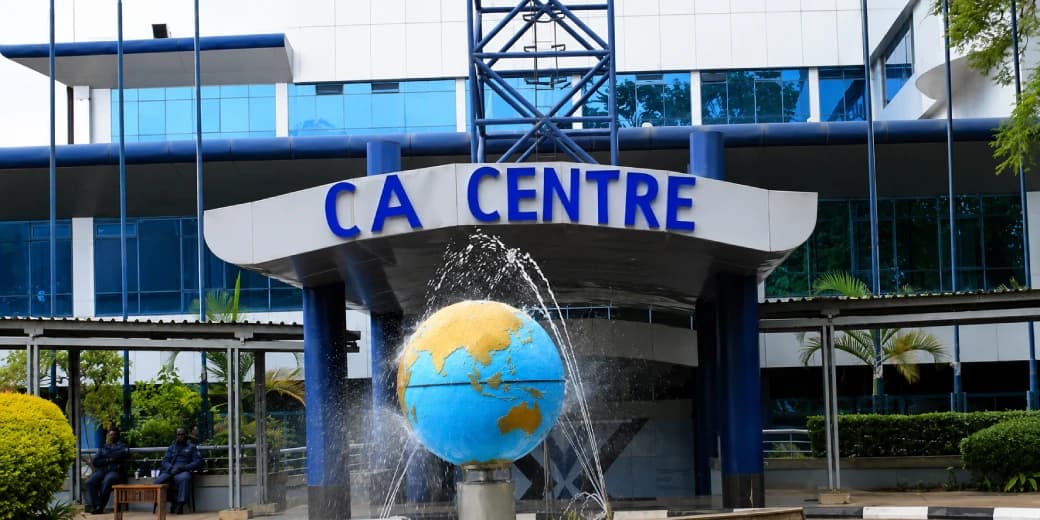
Anyone who wants to import or wholesale phones, routers, and modems into Kenya now needs a new, and not cheap, government licence. In a directive dated 21 July 2026, the Communications Authority of Kenya introduced a mandatory Communications Equipment Distributor Licence, priced at 250,000 shillings, for businesses that bring communications hardware into the country. The regulator says the goal is to curb the flood of counterfeit and substandard devices. For the trade that supplies the country's phones and home internet gear, it is a real new cost and a real new hurdle. Here is who it covers, what it costs, and what it could mean for prices on the shelf.
What the new licence covers
The Communications Equipment Distributor Licence, or CED, applies to any business that imports or wholesales communications equipment: mobile phones, routers, modems, and similar hardware. It covers both new and existing companies, so a shop that has been importing handsets for years cannot simply carry on. Existing telecommunications equipment contractor and vendor licence holders who want to keep distributing devices must also apply for the new CED licence. Alongside the licence, the regulator is tightening the chain that a device must pass through, requiring equipment to be type-approved and cleared through the government's TradeNet system before it enters the market.
The fees, in full
The headline number is the licence fee, but it is not the only one. Applying costs a non-refundable 5,000 shillings. The initial licence fee is 250,000 shillings, and the licence is valid for 15 years, which spreads that cost over a long horizon. On top of that sits an annual operating levy equal to 0.4 percent of gross annual turnover, with a minimum payment of 120,000 shillings a year. For a large distributor moving serious volume, those numbers are absorbable. For a small trader importing a few dozen handsets a month, the upfront licence plus a minimum annual levy is a meaningful barrier to entry, and that is the part of the policy worth watching.
Why the Authority is doing this
The stated purpose is to attack a genuine problem. Kenya, like much of the region, has long dealt with counterfeit and substandard phones and networking gear: devices that fail quickly, lack safety approval, dodge taxes, and can undermine network quality. By forcing importers to be licensed, type-approved, and cleared through TradeNet, the Authority wants a paper trail from the port to the shop, making it easier to keep non-compliant hardware out and to hold someone accountable when it slips through. Cleaner devices, safer chargers, and fewer fakes are a legitimate public interest, and a licensing regime is a standard tool for getting there.
The enforcement side has teeth. Operating without the licence, or importing equipment that has not received type approval, can draw fines of up to 1 million shillings, imprisonment for up to three years, or both. That is a serious deterrent, and it signals the Authority intends the rule to bite rather than sit on paper.
The catch for prices and small traders
Every added cost in an import chain has to go somewhere, and it usually ends up split between margins and shelf prices. A 250,000 shilling licence, a 0.4 percent turnover levy, and the compliance work of type approval and TradeNet clearance raise the cost of doing business, especially for the small and informal importers who supply a large share of budget devices. The optimistic reading is consolidation around compliant, reputable sellers and fewer dangerous fakes. The pessimistic reading is that some small importers exit, competition thins, and entry-level phone and router prices drift up. Both can be true at once, which is the honest tension in most consumer-protection rules. For readers already tracking how policy is nudging tech costs in Kenya, the Finance Act changes to software and cloud costs are a useful companion at Kenya's new tax rules put software payments under pressure.
What buyers and traders should do now
If you sell devices, the practical steps are clear: budget for the licence and levy, confirm your suppliers can provide type-approved stock, and get your TradeNet paperwork in order rather than risk the fines. If you are a buyer, the change is mostly invisible day to day, but it is a reason to favour sellers who can show their devices are type-approved, since those are the ones most likely to remain compliant and reachable if something goes wrong. As with any budget device, our advice on checking a phone's approvals and at purchase, as we noted reviewing affordable handsets like the Galaxy A27 at Samsung's Galaxy A27 5G is starting to show up in Kenya, applies more than ever.
FAQ
Who needs the new Kenya importer licence?
Any business that imports or wholesales communications equipment, including mobile phones, routers, and modems. It applies to both new and existing companies, and existing contractor and vendor licence holders must also apply for the new Communications Equipment Distributor Licence.
How much does the licence cost?
A non-refundable application fee of KSh5,000, an initial licence fee of KSh250,000 valid for 15 years, and an annual operating levy of 0.4 percent of gross annual turnover with a minimum of KSh120,000 a year.
Why did the Communications Authority introduce it?
To curb counterfeit and substandard telecom devices by requiring importers to be licensed, and by requiring equipment to be type-approved and cleared through the TradeNet system before reaching the market.
What happens if a business ignores it?
Operating without the licence or importing equipment that is not type-approved can attract fines of up to KSh1 million, imprisonment for up to three years, or both.
Sources
A licence like this is a bet that a cleaner, safer device market is worth a higher cost of entry. Whether it protects buyers or just prices out the small trader will show up first on the shelf, in the price of the cheapest honest phone.
Ask MAMBO
Have a plain-English question about this topic? Send it in and we may answer it in a future guide.
Ask a questionRelated reading

Kenya's emerging technology sandbox deadline is here. What happens next?
The CA sandbox gives selected innovators a supervised route to test AI, 5G, 6G, IoT, cybersecurity and digital-content products before full market deployment.

Africa's telecom ministers met in Abuja to write one digital rulebook
African ICT ministers gathered in Abuja for the ATU's 7th Conference of Plenipotentiaries, aiming for a unified continental strategy on spectrum, AI, and digital infrastructure.

Kenya hits 800 million GB of data as 2G and 3G fade
Kenya used about 800 million GB of mobile data in one quarter as smartphones crossed 50 million and 5G subscriptions kept rising.