
Googlebook Is Google's New Premium Laptop Strategy, and It Brings Android to the Desktop
Google has launched Googlebook, a premium laptop platform combining ChromeOS and Android technology with Gemini AI and deep Android phone integration.

Quick answer
Google has finally made a much bigger move in laptops.
Google has finally made a much bigger move in laptops. The company has introduced Googlebook, a new premium laptop category built around Googlebook OS, a platform combining desktop technology associated with ChromeOS with deeper Android integration.
The first Googlebooks are being produced by Acer, ASUS, Dell, HP and Lenovo. Prices start at $899, immediately placing the new platform above the traditional low-cost Chromebook market.
That price is important. Googlebook is not being presented simply as another inexpensive computer for browsing and schoolwork. Google is trying to build a premium ecosystem machine that connects an Android phone, laptop, Google services and Gemini AI into one computing experience.
Googlebook is more than a new Chromebook
It would be easy to describe Googlebook as ChromeOS with a new name. That misses the larger strategy. Google has spent years building Android into the world's most widely deployed mobile operating system, while ChromeOS established Google's presence in laptops, especially in education and affordable computing.
Googlebook brings those lessons together. The platform is designed for desktop productivity while making Android applications, Android phones and Google's AI services much more central to the laptop experience.
The strategic target is clear. Apple has built value by connecting the iPhone and Mac. Microsoft controls Windows across a huge range of PCs. Google has Android, Chrome, Gemini and a large collection of cloud services. Googlebook is an attempt to turn those assets into a coherent premium computing platform.
Your Android phone becomes part of the computer
One of the most interesting parts of Googlebook is cross-device integration. Features such as Continue On are designed to let users move tasks between Android phones and Googlebooks. Cast My Apps extends the relationship by allowing supported mobile applications to be used from the laptop environment.
This matters because modern users move between screens constantly. People answer messages on phones, edit documents on laptops, take photographs on phones and then process those photographs on larger displays. Googlebook is being designed around that behaviour.
Gemini is deeply integrated
Google is also using Googlebook to make Gemini more central to the operating system. The company has introduced AI features including Magic Pointer and Rambler, with the goal of making the computer more context-aware.
The broader shift is important. AI assistants are moving from websites into operating systems. Microsoft has Copilot, Apple is integrating Apple Intelligence into its platforms, and Google is pushing Gemini into Android and now Googlebook.
The challenge is proving that these features are useful outside demonstrations. A good should save time rather than add another collection of buttons.
Googlebook pricing changes the conversation
Googlebook machines start at $899 and can reach roughly $1,299 depending on model and configuration. That puts them directly into the premium laptop conversation.
At this price, buyers will compare Googlebook against MacBooks and premium Windows laptops. Google therefore needs more than an attractive interface. It needs strong , good keyboards, reliable performance, broad application support and long software support.
Google has positioned long-term software support as part of the proposition, with reporting indicating up to 10 years of updates.
Googlebook also targets developers
The platform includes a Linux environment. That matters for developers who need terminals, package managers, editors and local tooling.
Linux support gives Googlebook a route into a market that has historically considered Chromebooks too limited.
Why Googlebook matters to Android
The biggest story may not be the laptop itself. Googlebook represents an attempt to make Android the centre of a wider personal computing ecosystem. The company already owns the mobile operating system, Google services and Gemini. The laptop becomes another screen for that ecosystem.
This resembles Apple's ecosystem strategy, although the implementation is different. The question is whether Google can achieve similar continuity while allowing multiple hardware companies to build the computers.
The hardware partner model is both strength and challenge
Working with Acer, ASUS, Dell, HP and Lenovo gives consumers more choice. It also creates a consistency challenge. Apple controls hardware and software tightly. Googlebook has to maintain a coherent software experience across multiple manufacturers.
That requires strong certification, update policies and quality standards.
Googlebook versus Chromebook
Chromebooks are not disappearing. They remain useful for schools, affordable computing and users who want a simple web-first machine. Googlebook is aimed higher.
A professional who already uses an Android phone and wants deep integration with Google services may find the proposition more compelling than a traditional Chromebook.
The real competitor may be Apple's ecosystem
Googlebook is entering a market where Apple has already established a powerful device relationship. Google has the same raw ingredients: Android, Googlebook, Gemini and cloud services. The real test is whether those pieces feel like one product rather than several services connected by an account.
Bottom line
Googlebook is Google's most ambitious attempt yet to build a premium laptop ecosystem around Android. It combines desktop computing with Android applications, phone integration, Gemini AI and Linux development capabilities. At $899 and above, it cannot rely on the affordability story that helped Chromebooks succeed. It has to compete on experience.
Reporting note: Product details are based on September 2026 launch reporting from Google and major technology publications. Hardware configurations vary by manufacturer and market.
Sources
Share this story
Enjoyed this? Share it with someone who'd appreciate it.
Ask MAMBO
Have a plain-English question about this topic? Send it in and we may answer it in a future guide.
Ask a questionRelated reading
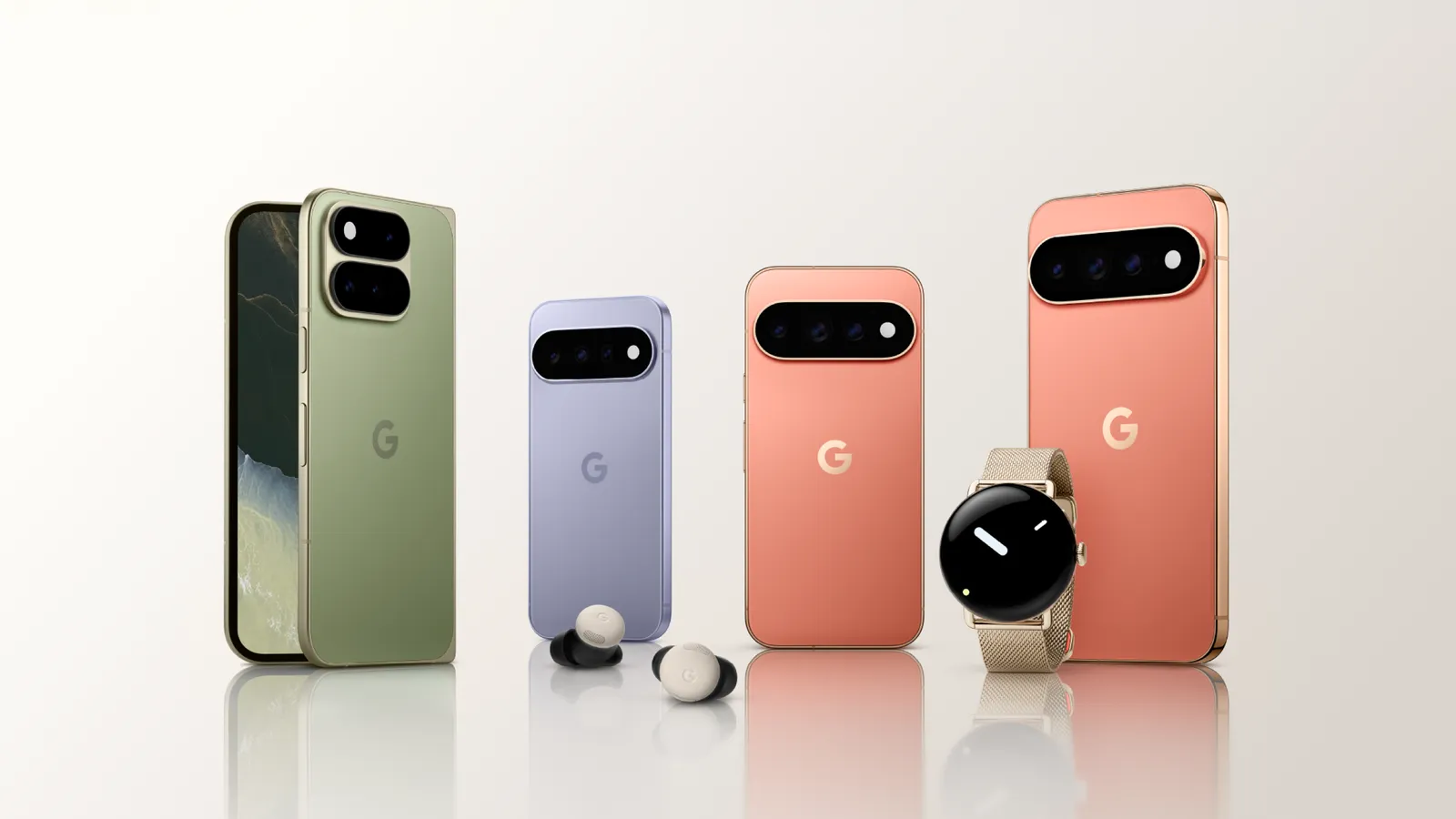
Google Pixel 11 Series Arrives with Tensor G6, HiLight, Better Cameras and Higher Starting Prices
Google's Pixel 11 family is official, bringing Tensor G6, brighter displays, new camera hardware, Proactive Assistance, Qi2.2 charging and the return of notification lights through HiLight.
Safari just opened its doors to AI coding agents
Safari Technology Preview now includes an MCP server, giving compatible AI coding agents official tools to inspect, test, and debug websites in a live browser.
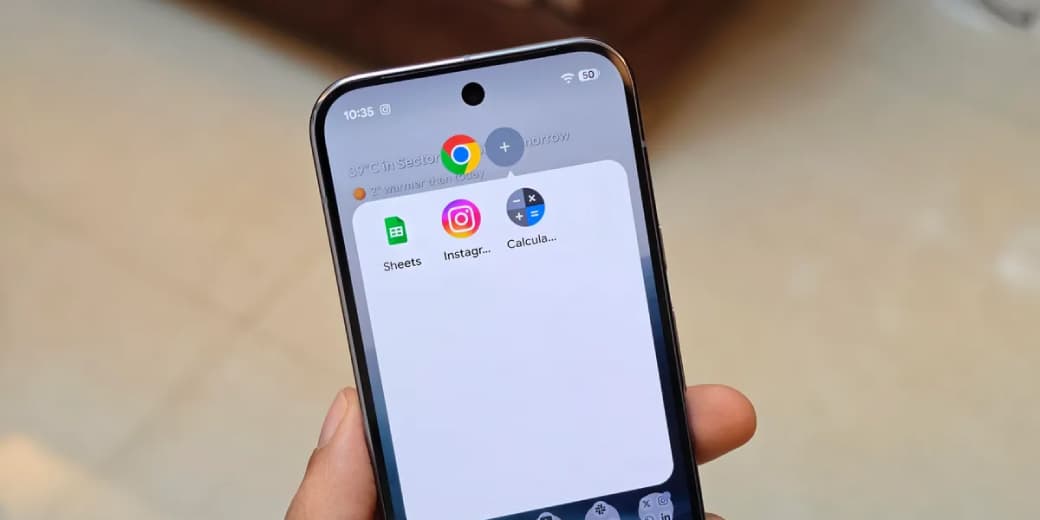
Android 17 app Bubbles show why Google still understands multitasking better than Apple
Android 17 lets Pixel users turn almost any app into a movable floating window. It is a small interface change with large implications for phones, tablets and foldables.