
Vodacom takes majority control of Safaricom
After months of court battles, South Africa's Vodacom now owns about 55% of Safaricom. The Government of Kenya keeps 20%. Here is what changed, and what has not.
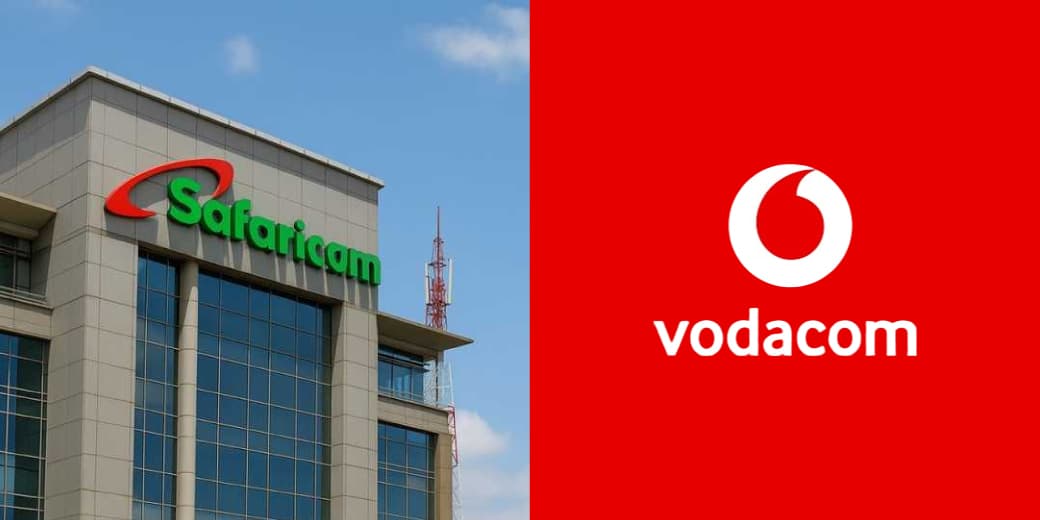
Vodacom Group has completed its acquisition of an additional effective 20% stake in Safaricom, lifting its holding to about 55% and giving the South African group majority control of Kenya's largest company.
The deal closed on June 30, 2026, after Kenya's Court of Appeal stayed a conservatory order on June 26 that had been blocking it, and once the remaining conditions were met.
The transaction is worth about 2.1 billion US dollars, or roughly 272 billion shillings. It was first announced in December 2025 and was structured in two parts: Vodacom bought a 15% stake from the Government of Kenya for 204 billion shillings, and acquired an effective further 5% from Vodafone Group for 68 billion shillings.
The Government of Kenya keeps a 20% stake, and Safaricom remains listed on the Nairobi Securities Exchange. The rest of the shares remain in public hands.
The change that matters most is quieter than the headline. Under international accounting rules, Safaricom moves from being an associate in Vodacom's books to a fully consolidated subsidiary. In plain terms, Kenya's most valuable company is now counted inside a South African group.
To see why this is a big deal, look at what Safaricom is. Its platform is the backbone of everyday money in Kenya, and fintech now drives about 44% of the company's Kenyan revenue. Vodacom says Safaricom has connected more than fifty million Kenyans and is expanding into Ethiopia, where it has about fourteen million customers.
The government's case for selling is that it is unlocking value from a long-term investment. National Treasury Cabinet Secretary John Mbadi framed the proceeds as money for roads, energy, water, and airports, and stressed that Kenya remains Safaricom's home.
Not everyone agreed the sale should go ahead. The deal was challenged in court by activists who argued that Safaricom is a strategic national asset, that the process needed more transparency, and that the shares were undervalued. The Court of Appeal lifted the blocking order, allowing completion while the wider case continues.
So what changes for you? For now, very little on the surface. M-Pesa still works the same way, and Safaricom's services carry on as before. The real questions are strategic: pricing, competition, investment, and the direction of a company that so much of Kenya runs on.
FAQ
Does the Kenyan government still own part of Safaricom?
Yes. The Government of Kenya keeps a 20% stake, and Safaricom remains listed on the Nairobi Securities Exchange.
Will M-Pesa change after Vodacom takes control?
There is no immediate change to M-Pesa or Safaricom services. The bigger question is Vodacom's longer-term strategy for pricing, investment, and products.
How much was the Safaricom deal worth?
Vodacom and Vodafone put the transaction value at about 2.1 billion US dollars, or roughly 272 billion shillings.
Sources
Vodacom says it will update the market on its medium-term targets around July 27, 2026, when it publishes first quarter results. That is when Kenyans should listen closely.
Share this story
Enjoyed this? Share it with someone who'd appreciate it.
Ask MAMBO
Have a plain-English question about this topic? Send it in and we may answer it in a future guide.
Ask a questionRelated reading
Government banks Sh244.5bn from the Safaricom sale
Kenya has received about Sh244.5 billion from the Vodacom Safaricom transaction, with the money headed into the National Infrastructure Fund.
The AGM that formalises Vodafone's grip on Safaricom
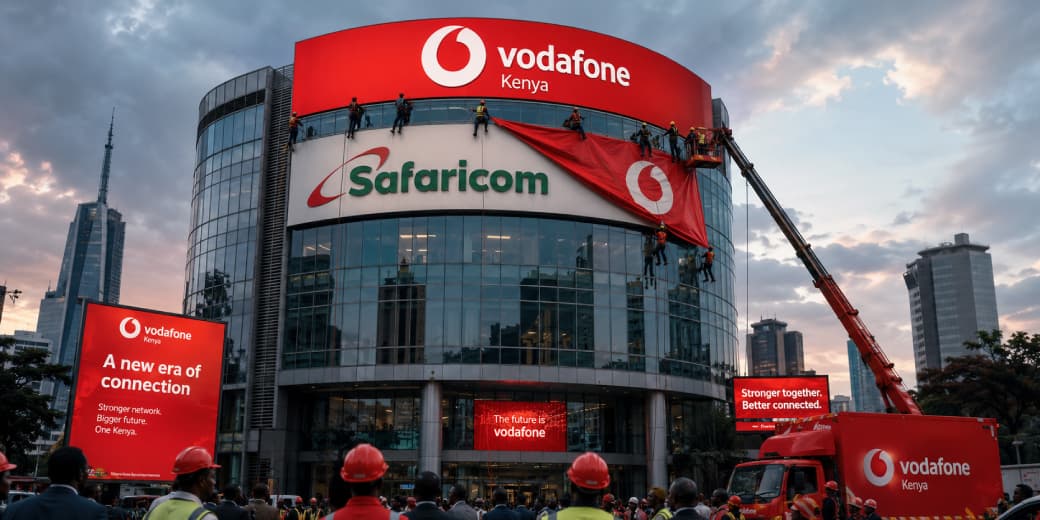
Safaricom shareholders will vote on fourteen resolutions that turn Vodafone Kenya's 55 percent stake into formal boardroom control.
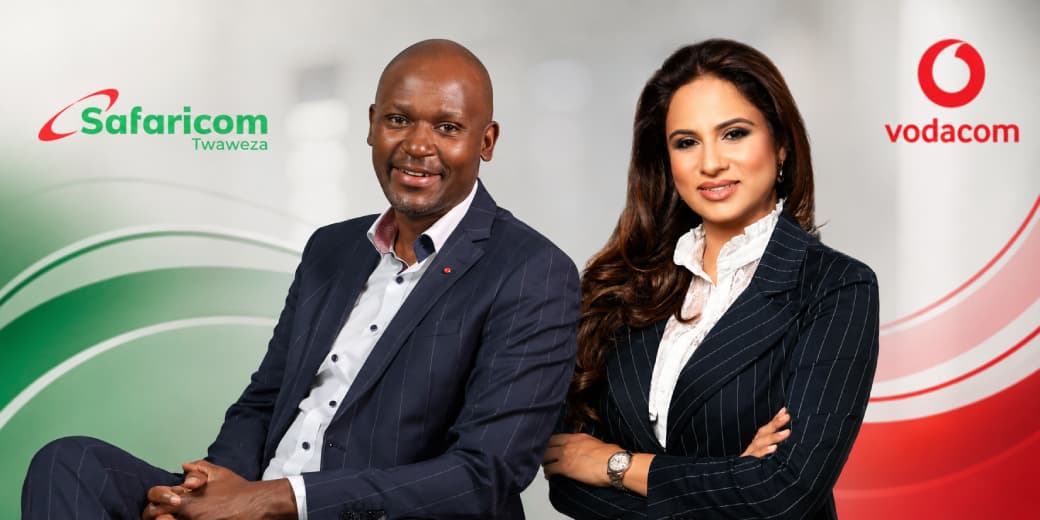
Safaricom's new board appointments show what Vodacom's 55% control looks like in practice
Safaricom's appointment of two senior Vodacom executives is more than a routine board refresh. It shows how the telco's new majority ownership is beginning to shape governance.