
Government banks Sh244.5bn from the Safaricom sale
The completed Vodacom takeover has delivered Sh244.5 billion to the Treasury, earmarked for roads, energy, water, and airports. Not everyone agrees it was a good deal.
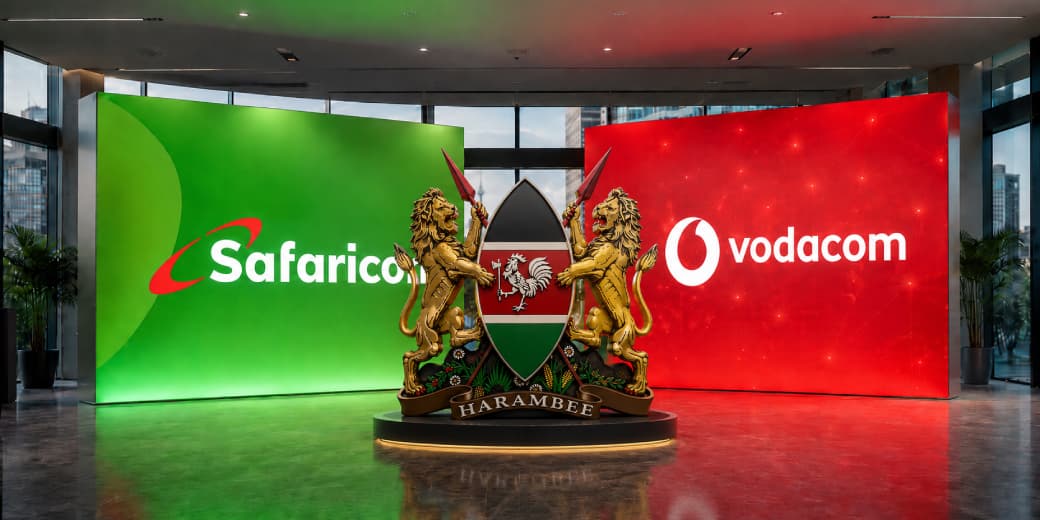
The Kenyan government has received about Sh244.5 billion from the sale of part of its Safaricom stake to South Africa's Vodacom, one of the largest single cash injections the state has ever banked.
The money is being channelled into the newly created National Infrastructure Fund, the same vehicle that received about Sh103 billion from the Kenya Pipeline Company listing.
The figure breaks down in two parts. The government sold roughly 6 billion Safaricom shares, a 15% stake, at Sh34 each, raising about Sh204.3 billion.
On top of that, Vodacom paid an advance dividend of about Sh40.2 billion, a prepayment tied to the government's remaining shares, bringing the total to Sh244.5 billion.
The share sale was executed as a block trade on the Nairobi Securities Exchange on June 30, the largest single transaction in the bourse's history, pushing that day's turnover to around Sh208 billion.
With the deal done, Vodacom's effective stake in Safaricom rises to 55%, giving it majority control, while the government keeps 20%. Safaricom remains listed on the NSE.
The Treasury says the proceeds will fund roads, energy, water, and airports, part of President William Ruto's ambition to raise money for infrastructure without piling on more debt. Cabinet Secretary John Mbadi has stressed that Kenya remains Safaricom's home.
It was not a smooth sale. The transaction was contested in court over both its price and the wisdom of handing majority control of a strategic national asset to a foreign company.
Petitioners argued the state undervalued Safaricom, and an expert affidavit filed in a constitutional petition alleged the country left a very large sum on the table. That remains an attributed court allegation, not a settled finding.
The government rejects the criticism, pointing to a share price it says carried a premium over the recent market average, and to conditions it secured, including keeping Safaricom's data in Kenya, retaining board seats, and requiring a Kenyan chief executive.
For ownership context, this follows Vodacom's completed move to majority control of Safaricom. The headline is simple, and the questions underneath it are not: the state has a rare windfall, but fair value and disciplined spending are what deserve scrutiny next.
FAQ
How much did the government get from the Safaricom sale?
About Sh244.5 billion, made up of roughly Sh204.3 billion for the 15% stake plus about Sh40.2 billion in advance dividend.
Where is the Safaricom sale money going?
Into the National Infrastructure Fund, earmarked for roads, energy, water, and airports.
Does the government still own part of Safaricom?
Yes. The Government of Kenya retains a 20% stake, and Safaricom remains listed on the Nairobi Securities Exchange.
Sources
The next test is not whether the money arrived. It is whether the infrastructure fund spends it in a way Kenyans can actually see and measure.
Ask MAMBO
Have a plain-English question about this topic? Send it in and we may answer it in a future guide.
Ask a questionRelated reading
 Business
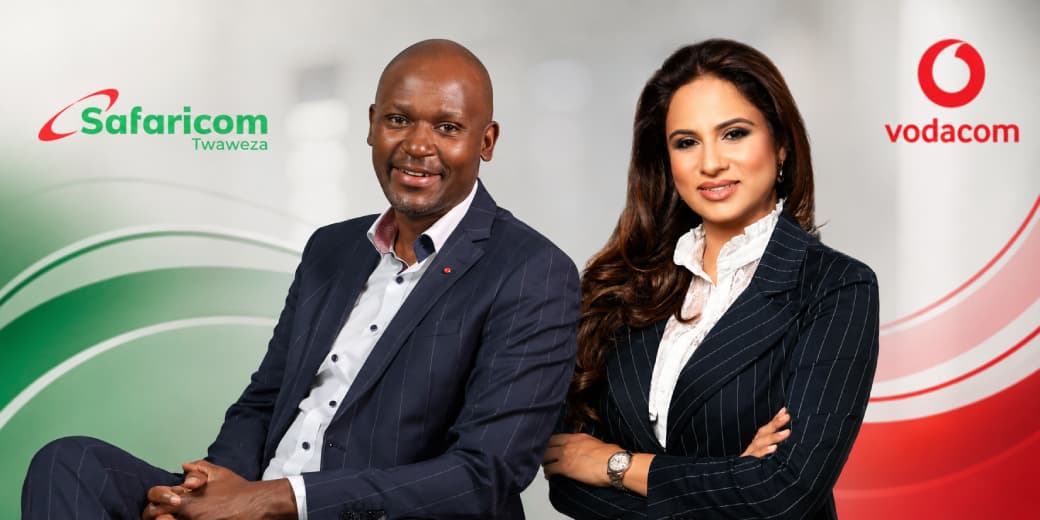
Safaricom's new board appointments show what Vodacom's 55% control looks like in practice
Safaricom's appointment of two senior Vodacom executives is more than a routine board refresh. It shows how the telco's new majority ownership is beginning to shape governance.
 Business
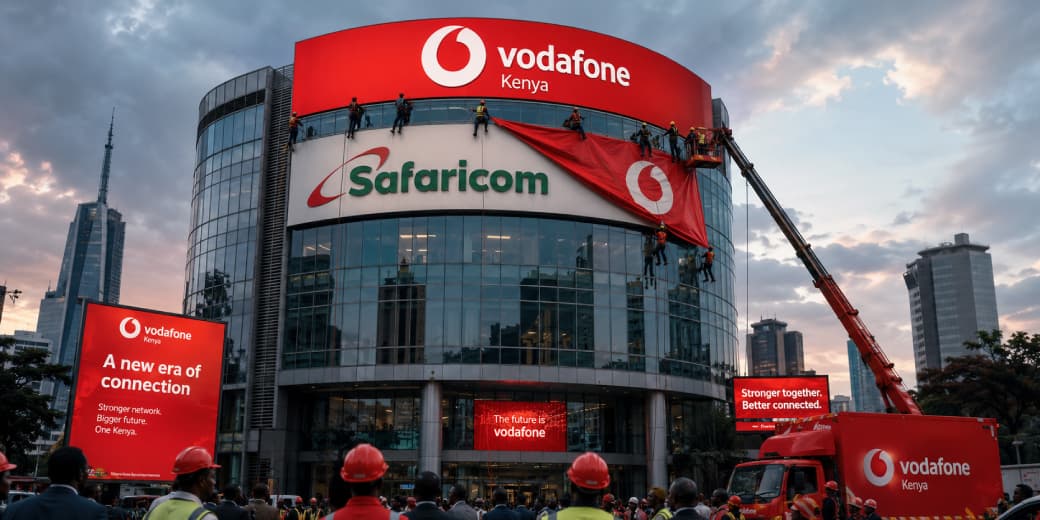
The AGM that formalises Vodafone's grip on Safaricom
Safaricom shareholders will vote on fourteen resolutions that turn Vodafone Kenya's 55 percent stake into formal boardroom control.
 Business
Vodacom takes majority control of Safaricom
Vodacom now controls about 55% of Safaricom after completing a $2.1 billion transaction, while Kenya's government keeps a 20% stake.