

Why AI hallucinates, and how to catch it
Your chatbot is not lying to you on purpose. Understanding why it invents things is the best protection against being caught out by it.
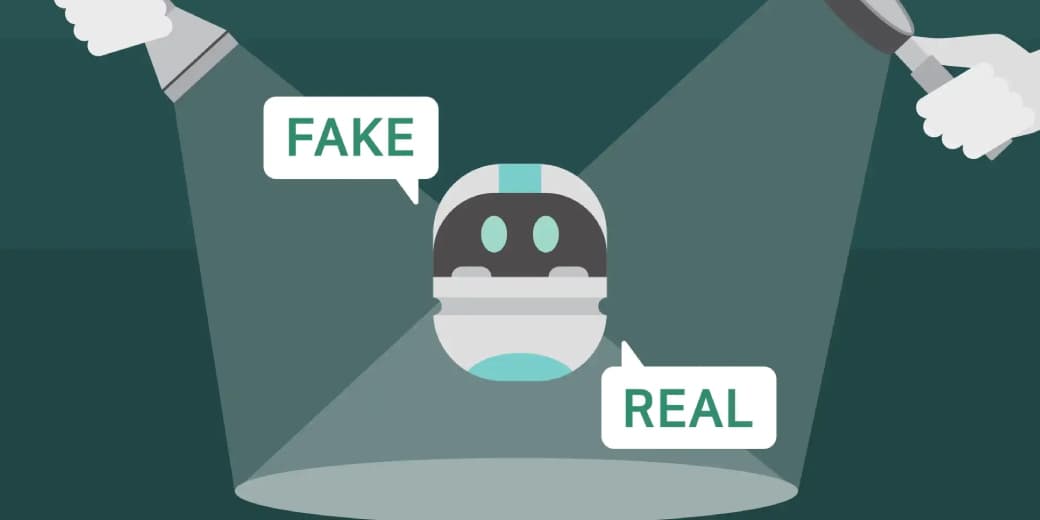
An is when a chatbot states something false as if it were true, fluently and with total confidence. The unsettling part is not that it gets things wrong. It is that it gets them wrong in the same calm, polished voice it uses when it is right.
To see why this happens, it helps to know what these tools actually do. A chatbot is not looking up answers in a database. It is predicting likely next words, one after another, based on patterns it learned from enormous amounts of text. Most of the time those patterns line up with reality, so the answer is correct. But when it hits a gap, a fact it does not have, a source that does not exist, a number it never saw, it does not stop and say so. It fills the gap with the most plausible-sounding words, because that is what it was built to do.
Where it bites hardest
A few situations produce hallucinations again and again: made-up sources, confident numbers, invented quotes, and hyper-local detail. Ask about a specific Nairobi street, a local law, or a small company, and the odds of a smooth, wrong answer go up, because the model has seen less reliable text about it.
How to catch it before it catches you
You do not need to be technical to stay safe. Ask for sources, then actually check them. Be most suspicious of exact figures, dates, names, and quotes. Cross-check anything you will rely on. Prefer tools that ground their answers in search and cite real pages. Treat AI as a fast first draft, not the final word.
This, by the way, is why tecMAMBO does not let AI invent facts in our work, and why a person checks everything we publish. The same standard serves you well: let AI speed you up, but keep the judgement human.
FAQ
Why does AI make things up?
It predicts likely text rather than looking up facts, so when it lacks information it produces plausible-sounding words instead of admitting the gap.
Can hallucinations be fixed completely?
Not yet. Grounding answers in search and good prompting reduces them, but no current chatbot is guaranteed accurate.
Which questions are riskiest?
Specific figures, sources, quotes, and hyper-local details, where a smooth wrong answer is most likely and hardest to spot.
Share this story
Enjoyed this? Share it with someone who'd appreciate it.
Ask MAMBO
Have a plain-English question about this topic? Send it in and we may answer it in a future guide.
Ask a questionRelated reading

Tokens and context windows, why AI forgets
A token is a chunk of text an AI reads and writes, and a context window is how much of that text it can hold in mind at once.

What is an AI agent, really?
An AI agent is software that does not just answer you, it takes actions to reach a goal you set.

Claude Fable 5 came back different. Government policy changed the product
The model's core was not retrained, but its access and guardrails changed. The episode shows how government policy can alter software overnight.