

A 2,000km fibre route now connects Mombasa to the DRC, and Paratus wants East Africa to notice
Paratus Group is highlighting its live 2,000km G2M fibre route linking Mombasa to Goma, DRC, alongside new satellite services, at ITW Africa 2026.

Paratus Group is putting its East African fibre network in the spotlight this week at ITW Africa 2026 in Nairobi, running through September 10.
The centerpiece is the Goma-to-Mombasa route, known as G2M, a 2,000km terrestrial fibre corridor connecting the Kenyan coast to eastern DRC. It's worth being precise about timing here: the route itself went live earlier this year. What's happening this week is Paratus showcasing it, alongside new satellite and Starlink-reseller services, to potential regional customers.
What G2M actually connects
The route runs from Mombasa through Nairobi, Kampala, and Kigali, before terminating in Goma in the eastern Democratic Republic of Congo.
That path matters as much as the endpoints. Each of those four cities gets a direct interconnection into local data centres along the way, meaning the route functions less like a single pipe and more like a backbone that multiple national networks can plug into.
Paratus is fully licensed across all four countries through subsidiary operating companies, in partnership with Roke Telkom in Uganda and MoveOn Telecoms in Kenya.
Why the DRC endpoint is the interesting part
Coastal fibre landing points in Mombasa are not new. Kenya already sits on multiple subsea cable systems.
What's harder to build, and rarer across the region, is reliable terrestrial connectivity reaching deep into landlocked, infrastructure-constrained markets like eastern DRC. That's the gap G2M is built to close: giving businesses and ISPs in Goma and along the corridor direct access to subsea cable capacity landing in Kenya, instead of relying on fragmented national networks or satellite backhaul as their primary option.
Paratus is also introducing a new Layer 2 satellite connectivity service at ITW Africa this week, aimed at organisations that need private, secure links between offices, branches, and data centres, a complement to the terrestrial fibre rather than a replacement for it.
The tecMAMBO take
Cross-border fibre routes in Africa tend to get covered once, at launch, and then disappear from the conversation. That's a mistake, because the value of a route like G2M isn't really proven at switch-on. It's proven months later, in whether wholesale customers, ISPs, and enterprises in Goma, Kampala, and Kigali actually route meaningful traffic through it instead of defaulting back to satellite or older links.
Paratus using ITW Africa to re-highlight a route that's been live for months, rather than debut something new, suggests the company is still in the phase of convincing the regional market this corridor is dependable, not just that it exists. That's a more honest signal about where cross-border African infrastructure actually stands than a launch headline usually gives you.
Sources
Ask MAMBO
Have a plain-English question about this topic? Send it in and we may answer it in a future guide.
Ask a questionRelated reading
 MAMBO Explains
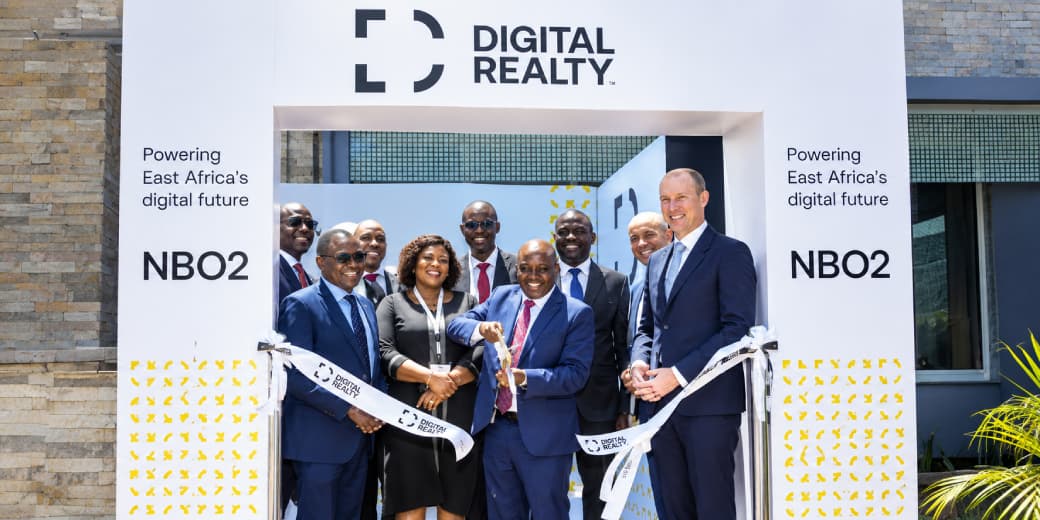
Nairobi just got 6.4 more megawatts of data centre capacity, and iColo's name is disappearing
Digital Realty opened its NBO2 facility in Nairobi and is rebranding iColo, adding 6.4MW of capacity as Kenya positions itself as an East African cloud hub.
 MAMBO Explains
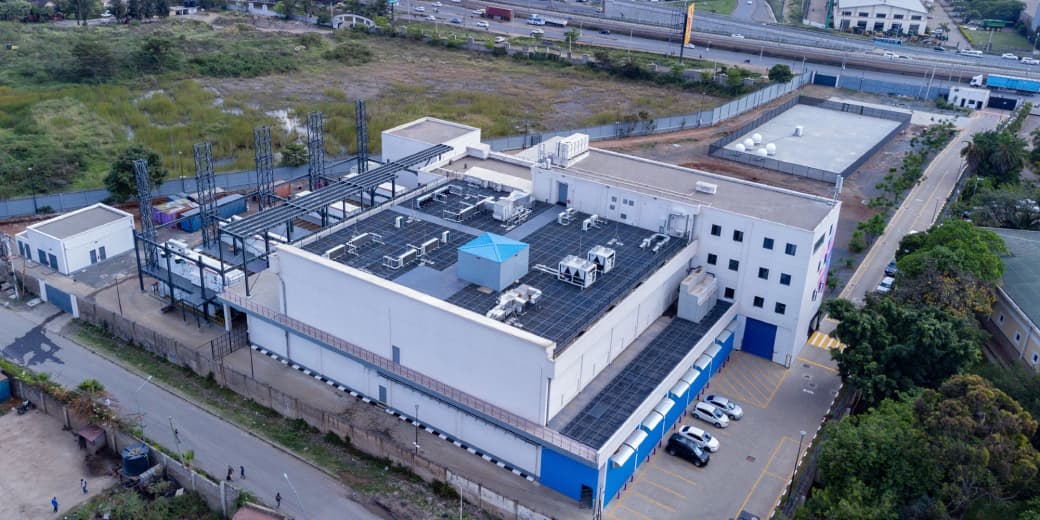
Kenya wants a licence built specifically for data centres, and operators have 30 days to weigh in
The Communications Authority of Kenya has opened a 30-day consultation on a standalone data centre licence, moving operators out of a broader telecoms category.
 MAMBO Take
Visa's new East Africa chief comes from mobile money, and that changes the strategy
Visa has appointed an executive who grew a mobile money challenger. Her task is to connect cards, wallets, banks and merchants across seven markets.