

Nairobi just got 6.4 more megawatts of data centre capacity, and iColo's name is disappearing
Digital Realty opened its NBO2 facility in Nairobi and is rebranding iColo, adding 6.4MW of capacity as Kenya positions itself as an East African cloud hub.
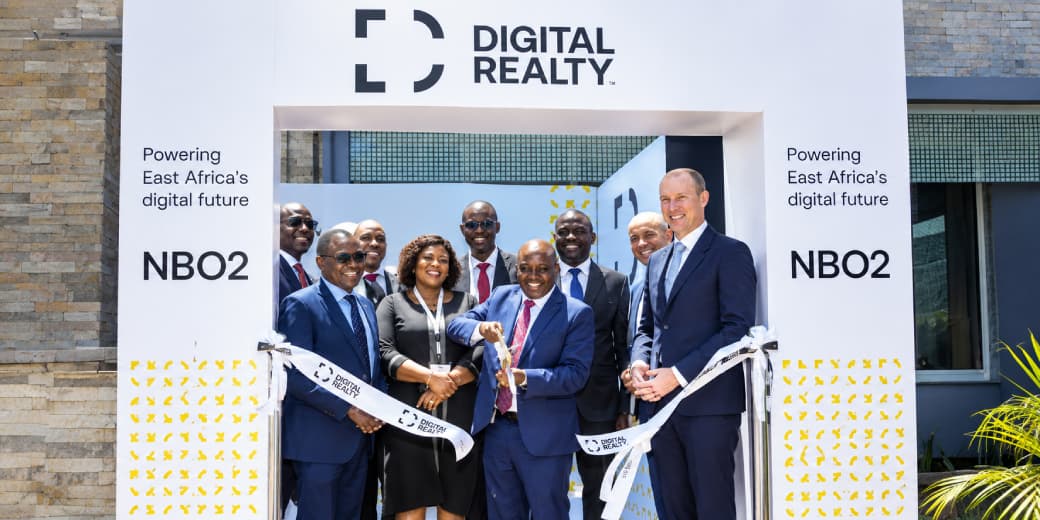
Digital Realty opened its second Nairobi facility on September 7.
NBO2 adds 6.4 megawatts of capacity to a campus that already includes NBO1, the company's original Nairobi site in Karen.
The bigger change isn't the megawatts. It's the name on the door.
iColo becomes Digital Realty
iColo has operated in Kenya as a recognisable local brand for years. That branding is going away.
The launch of NBO2 coincides with iColo's formal transition to the Digital Realty name, both in Kenya and in Mozambique. Digital Realty first took a controlling stake in iColo back in 2019, through its acquisition by Interxion. The rebrand completes a process that has been years in the making rather than announcing anything sudden.
For customers already using iColo's Nairobi facilities, the practical services shouldn't change overnight. What changes is which global platform those services now sit inside. Digital Realty describes itself as the world's largest cloud- and carrier-neutral data centre operator, and folding iColo fully into that identity gives Kenyan customers a more direct line into Digital Realty's global PlatformDIGITAL network rather than a locally branded subsidiary of it.
What NBO2 actually adds
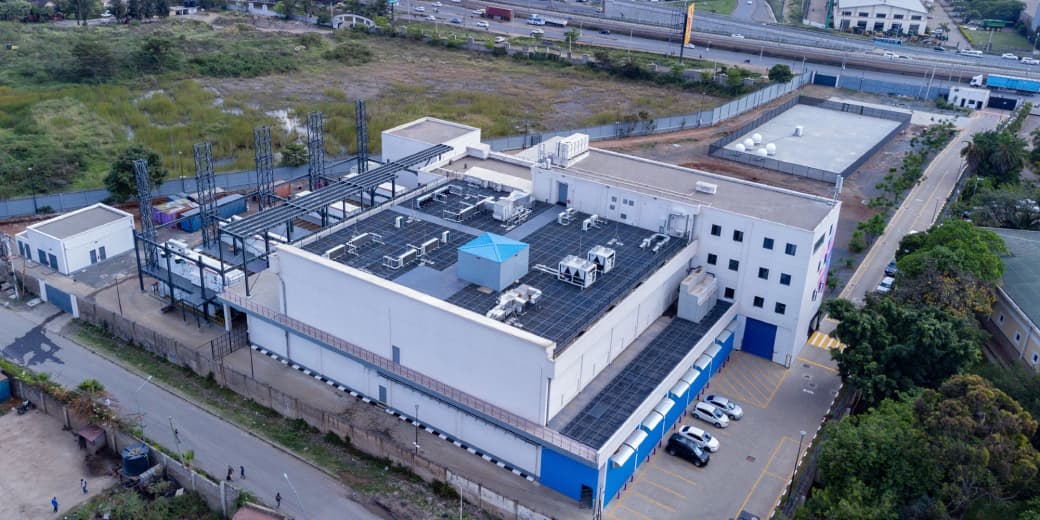
The new facility spans about 12,000 square feet and sits alongside NBO1 rather than replacing it, effectively doubling the campus's physical footprint.
Digital Realty says the combined campus now connects to more than 100 networks, two internet exchange points, and a satellite teleport, the last of which matters specifically for reaching areas where terrestrial fibre is thin or unreliable.
That combination, cloud connectivity plus a satellite fallback, is a specific bet on East Africa's uneven infrastructure reality. A bank or telco building redundancy into its systems can't assume fibre alone will hold up everywhere it needs to reach.
Why this timing matters
Kenya's government has been actively courting this kind of investment. Principal Secretary John Tanui, from the State Department for ICT and the Digital Economy, appeared at the NBO2 launch, a signal of how seriously Nairobi's positioning as a regional cloud hub is being treated at the policy level.
That framing lines up with a separate but related development this week: the Communications Authority of Kenya has opened public consultations on a proposed standalone licensing category specifically for data centre operators, a shift from the current, more generic Network Facilities Provider framework. Read together, the two stories describe the same trend from two directions. Capacity is arriving. Regulation is trying to catch up with it.
The tecMAMBO take
Data centre capacity announcements can read like corporate box-ticking. This one is worth more attention than that, for a specific reason: Nairobi is not competing with other Kenyan cities for this investment. It's competing with Lagos, Johannesburg, and Cairo for a slice of East and Central Africa's cloud and AI workloads.
6.4 megawatts won't decide that competition on its own. But a rebrand that folds a well-regarded local operator into a global platform, timed alongside regulatory groundwork from the CA, suggests Kenya is trying to remove friction on both the infrastructure side and the compliance side at once. That's the harder, less flashy version of an "AI-ready" pitch, and it's arguably the more credible one.
Sources
Ask MAMBO
Have a plain-English question about this topic? Send it in and we may answer it in a future guide.
Ask a questionRelated reading
 Should you care?
Apple's foldable finally arrives, and it's not even the biggest change at the company today
Apple's "Surprise and Shine" event brings the company's first foldable iPhone, new Pro models and a delayed budget lineup, all under new CEO John Ternus.
 MAMBO Explains
Kenya wants a licence built specifically for data centres, and operators have 30 days to weigh in
The Communications Authority of Kenya has opened a 30-day consultation on a standalone data centre licence, moving operators out of a broader telecoms category.
 MAMBO Explains
A 2,000km fibre route now connects Mombasa to the DRC, and Paratus wants East Africa to notice
Paratus Group is highlighting its live 2,000km G2M fibre route linking Mombasa to Goma, DRC, alongside new satellite services, at ITW Africa 2026.