

A KSh 150,000 flagship is harder to justify when midrange phones are this good
Most people no longer need a flagship phone to get a bright OLED screen, reliable cameras, water resistance, fast charging, a premium build and years of software support.
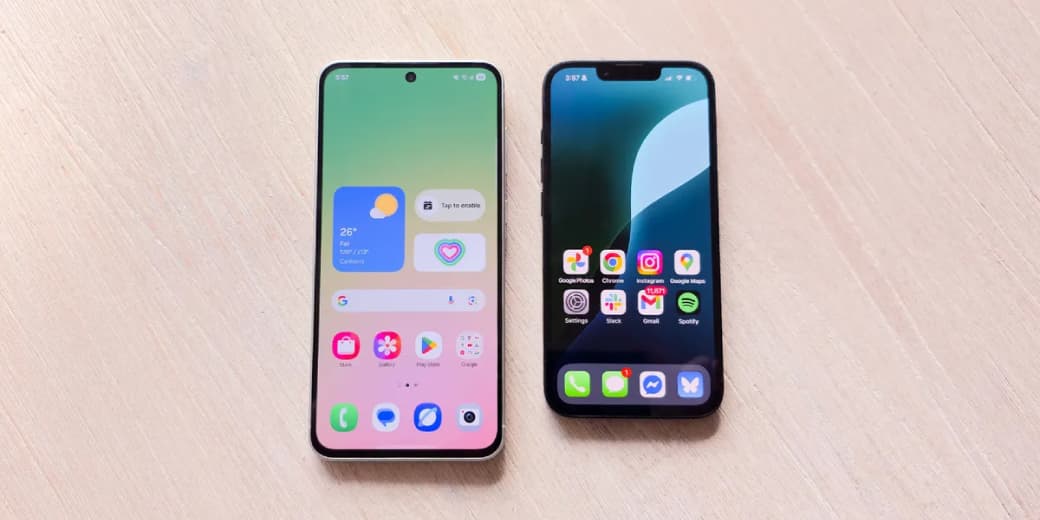
Most people no longer need a flagship phone to get a bright OLED screen, reliable cameras, water resistance, , a premium build and years of software support.
Devices such as Samsung's Galaxy A-series and OPPO's Reno range have absorbed features that once justified the top tier. The gap remains, especially in camera consistency, processors, video, wireless extras and long-term performance. It is simply narrower where ordinary life happens.
That does not mean premium-phone sales have collapsed. In 2026, the premium segment has remained more resilient than lower-priced categories. The more honest conclusion is that flagships still sell, but their value case is weaker for buyers who do not use the expensive advantages.
What you need to know
- A strong midrange phone can deliver most daily flagship experiences for far less money.
- The biggest flagship advantages remain camera quality, sustained performance, video, zoom, , premium support and resale.
- Samsung's Galaxy A56 combines a 120Hz display, 5,000mAh battery, 45W charging and six years of software support.
- Kenyan street prices can make older premium phones and new midrange phones direct competitors.
- Rising costs are hurting low and mid-tier phones more than premium models in 2026.
- A cheap phone is not automatically good value if its software support, or repair options are weak.
What changed in the middle
The midrange category used to advertise compromise.
The screen was visibly worse. Cameras struggled at night. Plastic construction felt hollow. Software support ended quickly. Performance began well and aged badly.
That picture is outdated.
A modern midrange phone can offer:
- A 120Hz display
- Optical image stabilisation on the main camera
- 5G
- Stereo speakers
- Large batteries
- Fast wired charging
- Toughened glass
- Metal frames on selected models
- Water and dust resistance
- Several years of operating-system and security updates
- AI photo and productivity tools
The experience is not identical to a flagship. It is close enough that many people need a comparison chart to find the missing luxury.
That is a win for consumers and a problem for marketing departments.
What a flagship still does better
Cameras are more consistent
Midrange cameras can take excellent daylight photos. Flagships are better across difficult situations: moving children, indoor events, night scenes, long zoom, skin tones, video stabilisation and rapid switching between lenses.
The flagship advantage is less about one spectacular photo and more about fewer failed photos.
Performance lasts longer
Premium chips offer faster graphics, image processing, AI workloads and sustained performance. A midrange phone can feel perfectly quick in social apps and browsing, then reveal its limits during gaming, video editing or several years of heavier software.
The small luxuries add up
Flagships are more likely to include wireless charging, ultra-wideband, stronger vibration motors, better speakers, faster storage, desktop modes, premium modems and advanced display technology.
None is essential alone. Together, they create polish.
Resale and repair can be better
Premium Samsung and Apple devices often retain value and receive broader accessory and repair support. This varies by market and model.
A cheaper purchase can become expensive when the replacement screen is unavailable.
Why the Galaxy A56 is a useful example
The Galaxy A56 represents the modern midrange formula.
It offers a large 120Hz Super AMOLED display, a 50MP stabilised main camera, a 5,000mAh battery, 45W charging and a premium-feeling construction. Samsung also promises six generations of Android upgrades and six years of security updates.
Kenyan listings in July 2026 placed some variants around the KSh 43,000 to KSh 49,000 range, although warranty source, storage and retailer affect the price.
That is far below a current Ultra-class flagship.
The A56 does not match an Ultra in zoom, video, processor power or advanced extras. The practical question is whether those improvements are worth two or three additional A56-sized payments.
For many buyers, the answer is no. For a professional creator, heavy gamer or person who keeps a phone for six years, it may be yes.
What OPPO's retail push tells us
OPPO has continued expanding hands-on retail and support locations in Nairobi, including experience shops where buyers can test devices, ask about financing and access service.
That matters because midrange competition is no longer only about specifications. Buyers want the premium purchase experience too.
A phone brand earns trust through:
- Real stores
- Clear warranties
- Repair turnaround
- Spare-part availability
- Financing
- Trade-ins
- Demonstrations
- Software updates
- Honest regional specifications
An attractive handset sold through a disappearing reseller is not premium value. It is a future WhatsApp conversation with no blue ticks.
The 2026 complication: the middle is being squeezed
The global smartphone market is under pressure from a shortage of memory and storage components linked partly to massive AI infrastructure demand.
Premium brands can absorb or pass on higher costs more easily. Budget and mid-tier manufacturers operate with thinner margins.
That creates an uncomfortable possibility: the flagship-killer category may become more expensive or cut specifications just as consumers need it most.
Buyers should therefore look beyond the model name. A new generation can cost more while offering less storage, slower memory or fewer accessories.
The middle remains the value centre. It is no longer protected from the industry's larger economics.
New midrange or older flagship?
An older flagship can offer better cameras, processors and premium extras at a similar price.
The risks are:
- Less software support remaining
- A degraded battery
- Expensive repairs
- Unknown import history
- Missing regional network features
- No local
- Hidden screen burn or water damage
A new midrange phone offers a fresh battery, clearer warranty and longer remaining support. It may sacrifice camera range and top performance.
The best choice depends on the exact devices, not the labels.
"Flagship" describes where a phone began. It does not tell you how gracefully it has aged.
The tecMAMBO buying rule
Buy a flagship when you can name the premium feature that changes your work or enjoyment.
Choose it for top video, dependable zoom, demanding games, desktop workflows, a stylus, satellite features, long ownership or ecosystem integration.
Choose a midrange phone when your priorities are communication, banking, social media, streaming, everyday photography, and sensible cost.
Do not buy an expensive phone to avoid feeling like you bought a cheap phone.
That emotion has funded many beautiful quarterly reports.
FAQ
Is a midrange phone as good as a flagship?
Not in every area. A strong midrange phone can match much of the everyday experience, while flagships retain advantages in cameras, performance, video, materials, connectivity and extras.
Is the Samsung Galaxy A56 still good in 2026?
It remains a strong value option where it is priced competitively, especially because of its display, battery and six-year support promise. Compare it with newer models and confirm local warranty coverage.
Should I buy an older flagship instead?
An older flagship can offer stronger hardware, but check battery condition, support years, repair costs, network compatibility and warranty.
Why are phones getting more expensive in 2026?
Memory and storage component costs have risen sharply as AI data centres compete for supply. Currency, taxes, logistics and local distribution also affect Kenyan prices.
How much should I spend on a phone?
Spend enough to secure reliable performance, adequate storage, useful cameras, local support and several years of security updates. Beyond that point, extra cost should map to a feature you genuinely use.
Sources
Ask MAMBO
Have a plain-English question about this topic? Send it in and we may answer it in a future guide.
Ask a questionRelated reading
 Should you care?
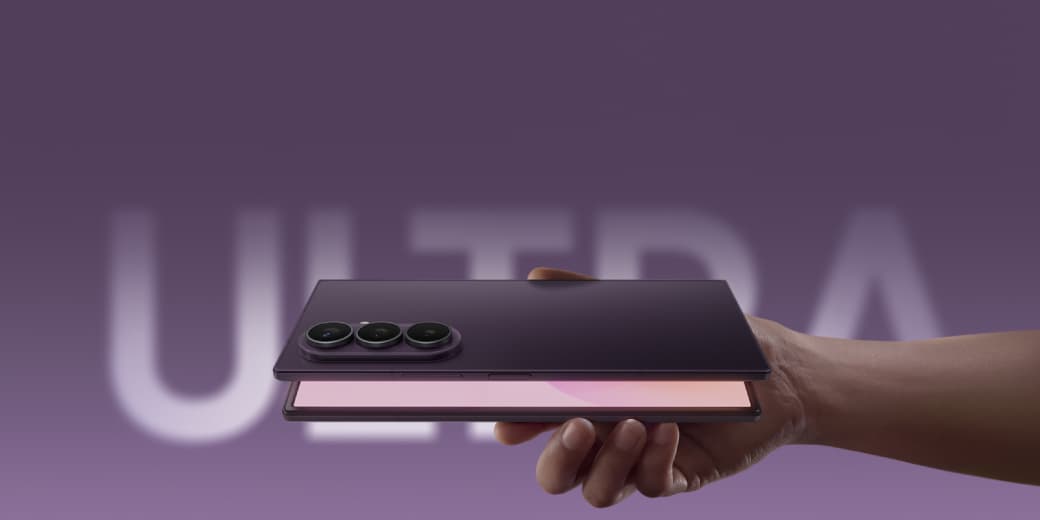
Samsung goes Ultra: everything announced at the London Unpacked, from a 4.1mm Fold to Gemini glasses
Samsung's London Unpacked delivered the first Ultra foldable at 4.1mm, a wider Fold8, the Flip8, two new watches, and Gemini-powered smart glasses. Every announcement, explained.
 MAMBO Explains
These phones are losing software support. Here is what to do next
A phone does not become useless when updates stop, but its risk grows over time. Here is how to check support, protect your data, and plan an upgrade without panic.
 Should you care?
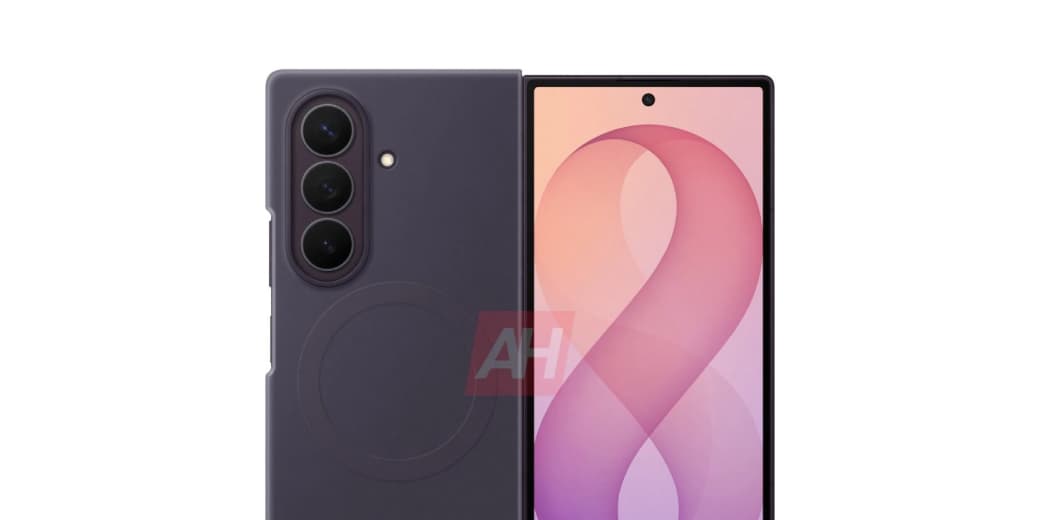
Samsung Unpacked lands July 22: Z Fold 8 leaks explained
Samsung's next Galaxy Unpacked is widely expected on July 22, with Z Fold 8 leaks pointing to thinner hardware, camera upgrades, and a possible wider model.