

The iPhone Ultra shortage is also a marketing plan
Kuo says manufacturing limits will make the foldable iPhone scarce at launch, echoing the iPhone X. Whether the scarcity is forced or chosen, it will function as marketing. Here is how to read it.
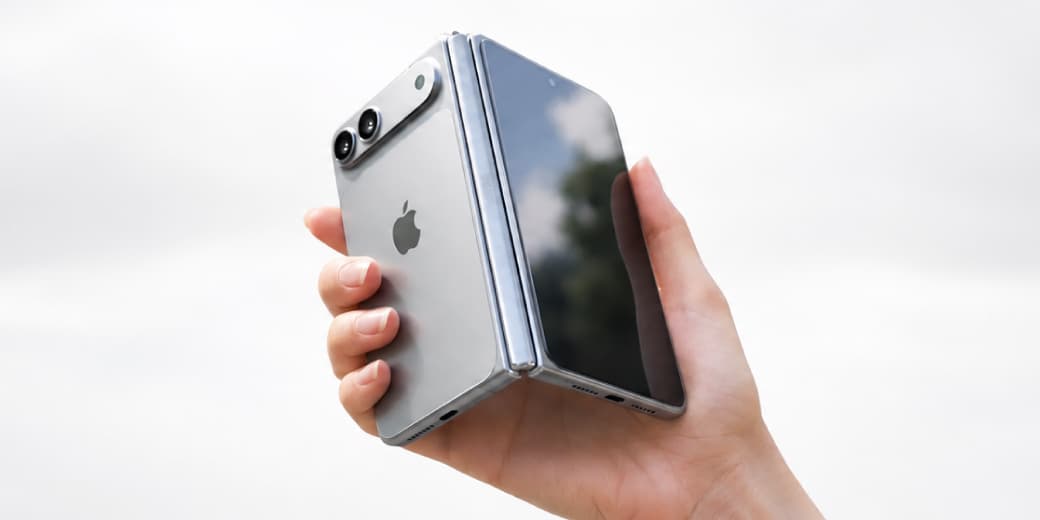
The most desirable phone of the year may become desirable partly because you cannot easily get one.
Supply-chain analyst Ming-Chi Kuo has reportedly pointed to a limited launch window for Apple's foldable iPhone, with third-quarter production estimated around 500,000 to 1 million units. Wider second-half estimates sit much higher, while iPhone 18 Pro production is expected to be far larger. The practical outcome, if the estimates hold, is familiar: instant sell-outs, stretched delivery windows, and resale prices above retail.
Kuo's comparison point is the iPhone X in 2017, announced with the September lineup, sold later, and scarce for months. That comparison matters because it reminds us that scarcity does not need to be fake to work as marketing.
Here is the honest distinction. I do not think Apple needs to pretend foldable iPhones are hard to make. Folding displays and hinges at Apple's quality bar are genuinely difficult to manufacture at volume. Kuo's own framing is manufacturing constraint, not theatre.
But scarcity in consumer tech does not need to be intended to function as marketing. A product that instantly sells out generates headlines no ad budget can buy. A six-week waiting list converts a purchase into an achievement. A resale price above retail becomes public proof that the market values the device more than the maker charged.
Companies understand this. Launch quantities are chosen. A company that wanted to avoid sell-out theatre entirely could a launch until stock was deep. Almost nobody does, because in stock everywhere has never been the phrase that moves culture.
So the useful skill is reading the signals like an adult. Sold out tells you about the size of the first production run, not the size of the product's merit. A waiting list measures manufacturing yield, not your need. A resale premium is a tax on impatience, paid by people who confused urgency with importance.
The phone will probably exist in healthier supply by the second quarter after launch, at retail price, with early bugs patched. Quietly, that is the best time to buy almost any first-generation device.
For the wider luxury-pricing context, see The $2,500 iPhone Ultra: Apple's luxury tech gamble. The same story can be read two ways: Apple is building a very expensive foldable, and Apple is building desire around a very expensive foldable.
The bottom line, from someone who loves new hardware: let the scarcity be Apple's problem. If the foldable is genuinely great, it will still be great in February, cheaper, fixed, and in stock. If it is only great because you could not have it, the waiting list did its real job.
Sources
Do not let a delivery estimate make the buying decision for you. Scarcity is information, not instruction.
Ask MAMBO
Have a plain-English question about this topic? Send it in and we may answer it in a future guide.
Ask a questionRelated reading
 Business
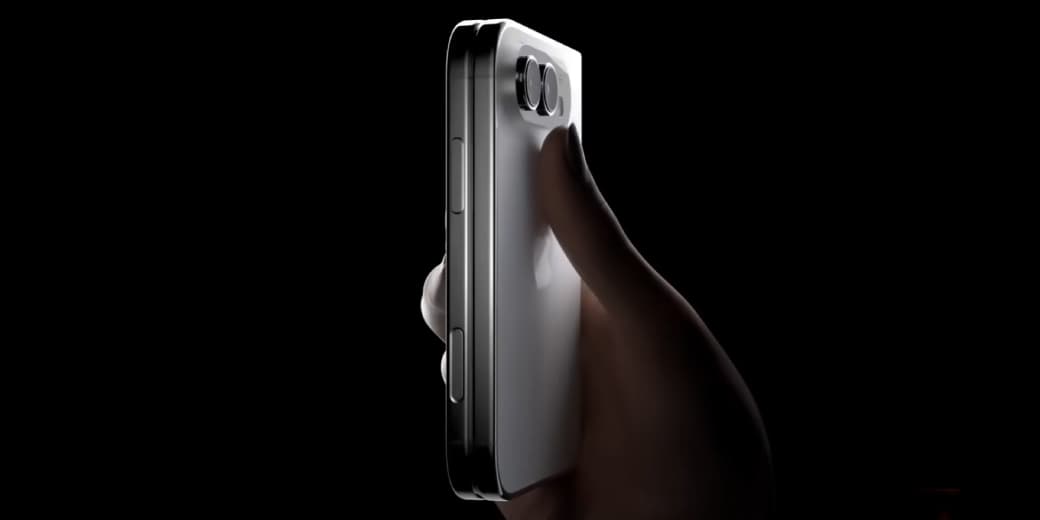
The $2,500 iPhone Ultra: Apple's luxury tech gamble
Apple's rumored iPhone Ultra foldable is being framed by analysts as a premium device near $2,500, with shipment expectations that would test how high flagship phone prices can climb.
 MAMBO Take
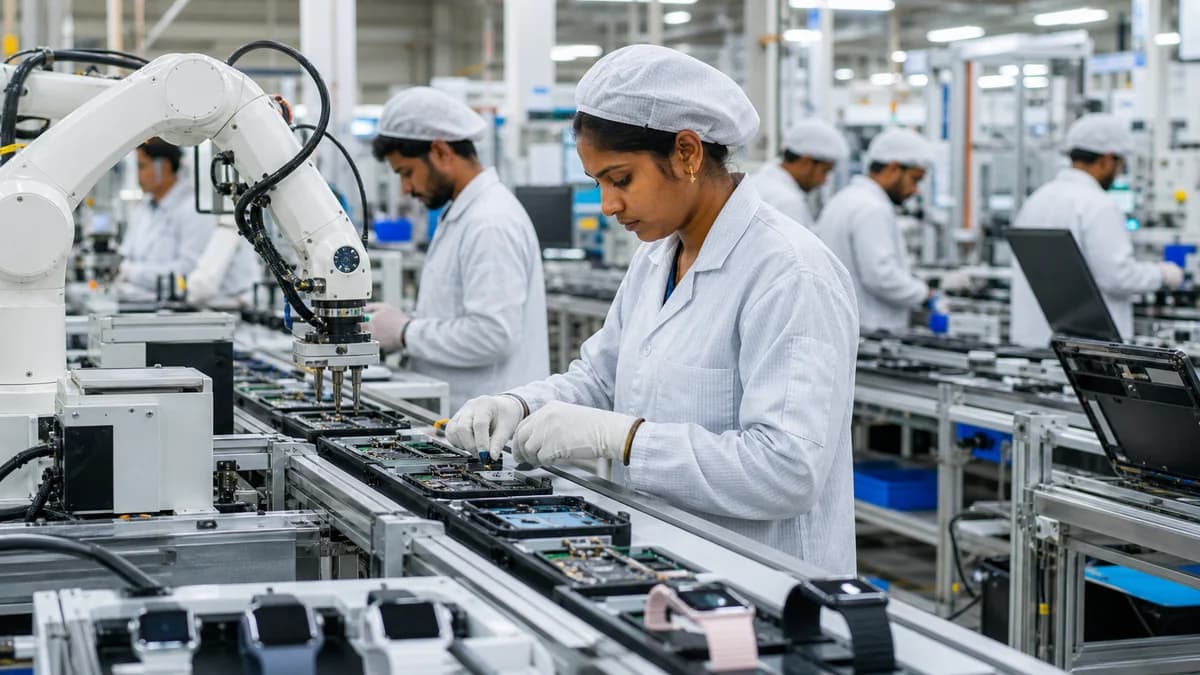
India wants to lock in electronics manufacturing until 2041, and Apple is a major reason why
India proposes extending tax exemptions for foreign electronics suppliers to 2041 as it scales smartphone, laptop, tablet and wearable manufacturing.
 MAMBO Explains
Apple's PlasmaSolve acquisition is about the invisible engineering that makes hardware last
The deal strengthens Apple's ability to simulate coatings and manufacturing processes before committing to expensive production runs.