
Six Nigerian fintechs crack the world's top 500, and it is not luck
Moniepoint, PalmPay, PiggyVest, Redtech, LemFi, and Zone landed on CNBC and Statista's global ranking, more than half of Africa's entire showing.
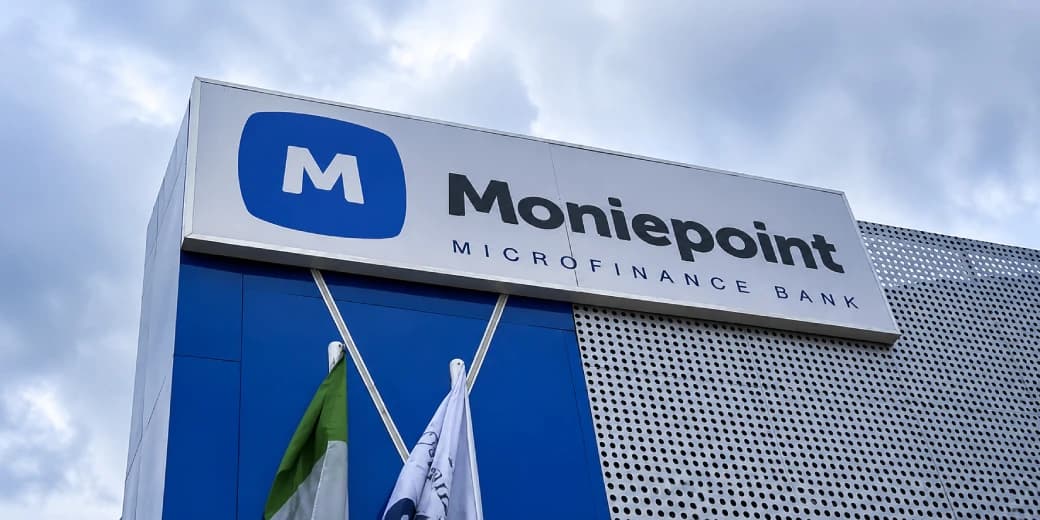
Nigeria has once again claimed the lion's share of Africa's seats at the global fintech table. Six homegrown companies, Moniepoint, PalmPay, PiggyVest, Redtech, LemFi, and Zone, were named to CNBC and Statista's 2026 World's Top Fintech Companies list. Nigeria supplied six of the 11 African companies on the ranking, more than half of the continent's entire representation. For a sector that has weathered funding winters, tighter regulation, and public scepticism, it is a loud reminder that Lagos remains the beating heart of African financial technology. Here is who made the list, why it matters, and what the mix says about where the industry is heading.
Who made the list
The ranking, now in its fourth edition, is compiled by CNBC with data partner Statista and recognises 500 fintech companies drawn from more than 3,500 firms evaluated worldwide. Entries are judged across categories including payments, digital lending, wealth technology, enterprise fintech, insurtech, and regtech, so a place on the list is a claim to scale and staying power, not just buzz. Nigeria's six span several of those lanes. Moniepoint and PalmPay carry the payments and banking story that has put cards, terminals, and accounts into millions of hands. PiggyVest represents the savings and investment wave. LemFi speaks to cross-border money movement for the diaspora, Zone to blockchain-based payment infrastructure, and Redtech to the fast-growing merchant and agent economy.
The standouts
Two names show why the list is more than a popularity contest. PiggyVest was recognised in the wealth technology category for the third consecutive year, a rare run of consistency in a young industry. The savings and investment platform now serves more than six million users and says it has processed over 3 trillion naira in customer payouts, numbers that describe a genuine habit, not a launch spike. Redtech, backed by Heirs Holdings, appears on the list for the first time, and the scale it brings is striking: its RedPay platform has processed roughly 33 billion dollars in transaction value since launch and operates more than 55,000 point-of-sale terminals across Nigeria. A newcomer arriving at that size tells you the merchant-payments race still has room for fresh entrants.
Why Nigeria keeps dominating
Nigeria's fintech strength is not an accident of any single year. It rests on a large, young, mobile-first population, a long-standing gap in traditional banking coverage that fintechs rushed to fill, deep pools of engineering talent, and a founder culture that has learned to build for hard conditions: patchy connectivity, cash-heavy habits, and demanding regulators. Those constraints forced Nigerian fintechs to solve real problems, agent networks, offline-tolerant payments, cheap remittances, rather than copy Silicon Valley features. The result is products that travel well across the continent, which is why so many of them now expand into Kenya, Ghana, and beyond. It is also why one of them recently planted a flag in Nairobi with a local chief executive, a move we covered at Moniepoint names Rose Muturi CEO for Kenya.
The honest caveats
A global ranking is a useful signal, but it should be read with care. Lists like this lean toward scale and visibility, so they can undercount excellent smaller players and they say little about profitability, unit economics, or how a company treats its customers when a transaction fails. Nigerian fintech has also had its harder chapters: fraud pressures, disputes over fees, and regulatory tightening around lending and crypto-adjacent products. Dominance on a list is not the same as a healthy, trusted sector for the ordinary user. The more meaningful test is whether these companies keep lowering the cost and friction of moving money for the people who use them daily.
What it signals for the rest of Africa
For the wider continent, Nigeria's showing sets both a benchmark and a competitive pressure. It tells investors and talent where the centre of gravity sits, which can pull funding toward Lagos and away from smaller ecosystems. But it also creates a template that founders in Nairobi, Accra, and Cairo are actively racing to match or localise, and it accelerates the pan-African expansion that puts Nigerian rails into other markets. The broader story of a maturing, consolidating African startup scene, where the strongest players scale across borders rather than staying home, is one we explored at Nigeria's startup scene grows up, and gets stricter. This list is another data point in that same direction of travel.
FAQ
Which Nigerian fintechs made CNBC's 2026 top fintech list?
Moniepoint, PalmPay, PiggyVest, Redtech, LemFi, and Zone. Nigeria supplied six of the 11 African companies on CNBC and Statista's 2026 World's Top Fintech Companies list, more than half of the continent's entries.
How is the CNBC and Statista fintech list compiled?
Now in its fourth edition, it recognises 500 companies drawn from more than 3,500 firms evaluated worldwide, judged across categories including payments, digital lending, wealth technology, enterprise fintech, insurtech, and regtech.
What are the standout Nigerian companies on the list?
PiggyVest was recognised in wealth technology for the third year running, serving over six million users with more than 3 trillion naira in payouts. Redtech, backed by Heirs Holdings, is a first-timer whose RedPay platform has processed about 33 billion dollars and runs over 55,000 POS terminals.
Why does Nigeria dominate African fintech?
A large, young, mobile-first population, gaps in traditional banking, deep engineering talent, and a founder culture built for hard conditions. Those constraints produced products that solve real problems and travel well across the continent.
Sources
Six seats out of Africa's eleven is a statement, not a coincidence. Nigeria built its fintech lead by solving hard problems for real users, and the ranking is simply the receipt.
Ask MAMBO
Have a plain-English question about this topic? Send it in and we may answer it in a future guide.
Ask a questionRelated reading
Africa's fintech shakeout: the M&A wave, explained
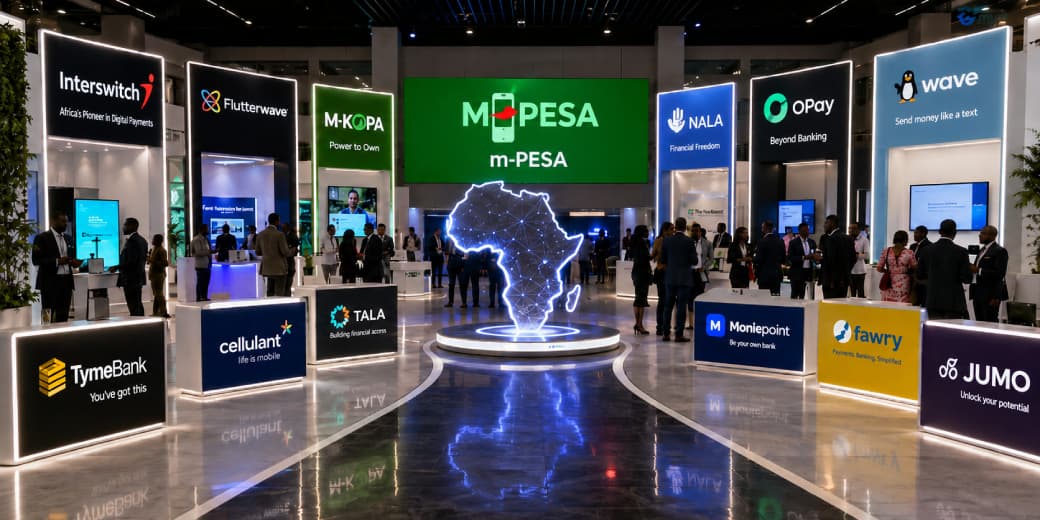
African fintech is consolidating fast as stronger companies buy data rails, licences, local footholds, and distressed rivals.
Absa Bank Kenya just made its interim CEO permanent, and the backstory explains why
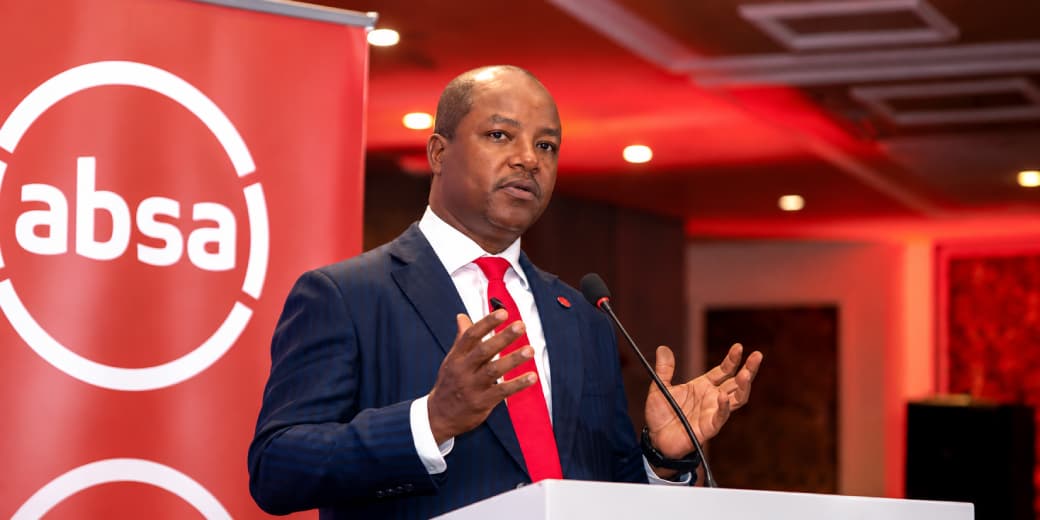
Absa Bank Kenya confirmed Yusuf Omari as Managing Director and Chief Executive Officer with immediate effect on September 10, 2026, following board approval and completion of regulatory clearances.

Lagos just became Africa's busiest tech city for a month, and the calendar isn't even done
Lagos hosts eight major tech and creative-economy events in September 2026, led by Lagos Blockchain Week and Nigeria Fintech Week.