
Tinubu signs NIMC Act 2026, reshaping digital identity
President Tinubu has signed a new identity law that turns NIMC into the trust anchor for Nigeria's digital economy, replacing a framework nearly two decades old.

Nigeria has rewritten the rules of its digital identity system with the National Identity Management Commission Act 2026.
The law replaces an older framework and expands NIMC's role in how Nigerians are identified and verified online. The most consequential change is technical but far-reaching: NIMC is positioned as the Certification Authority for Nigeria's national public-key and digital-trust infrastructure.
In plain English, NIMC becomes a central anchor for secure authentication, encryption, digital signatures, and identity verification across government and private services.
The law reinforces the National Identification Number as the foundational credential under a one-person, one-identity principle. It also points toward stronger data protection, special enrolment measures for vulnerable groups, and a multipurpose identity card.
For ordinary users and businesses, the long-term promise is easier and safer verification across banks, government services, telecoms, and online platforms. The risk is implementation. Identity systems only earn trust when enrolment works, privacy is respected, errors can be fixed, and the institutions handling the data are held accountable.
FAQ
What does the NIMC Act 2026 change?
It expands NIMC's role in digital identity and positions the commission as a trust anchor for secure authentication and digital services.
How does it affect Nigerians?
Over time, it should make identity verification easier across government, banks, telecoms, and private services, if implementation is handled well.
Sources
Ask MAMBO
Have a plain-English question about this topic? Send it in and we may answer it in a future guide.
Ask a questionRelated reading
 Business
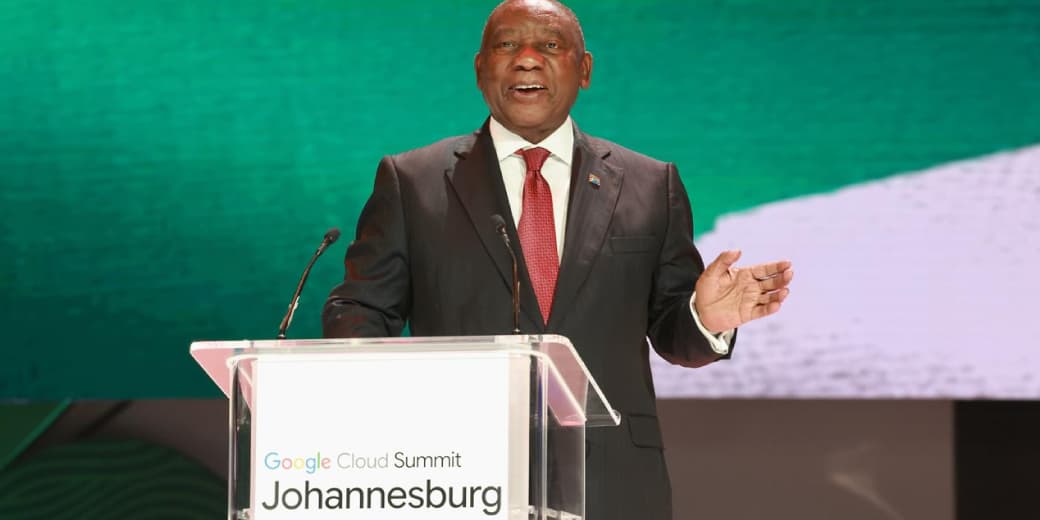
South Africa sets six pillars for its digital economy
South Africa is framing its digital-economy push around six priorities: subsea cables and telecoms, AI, data centres, cybersecurity, startups, and cross-border digital transformation.
 Business
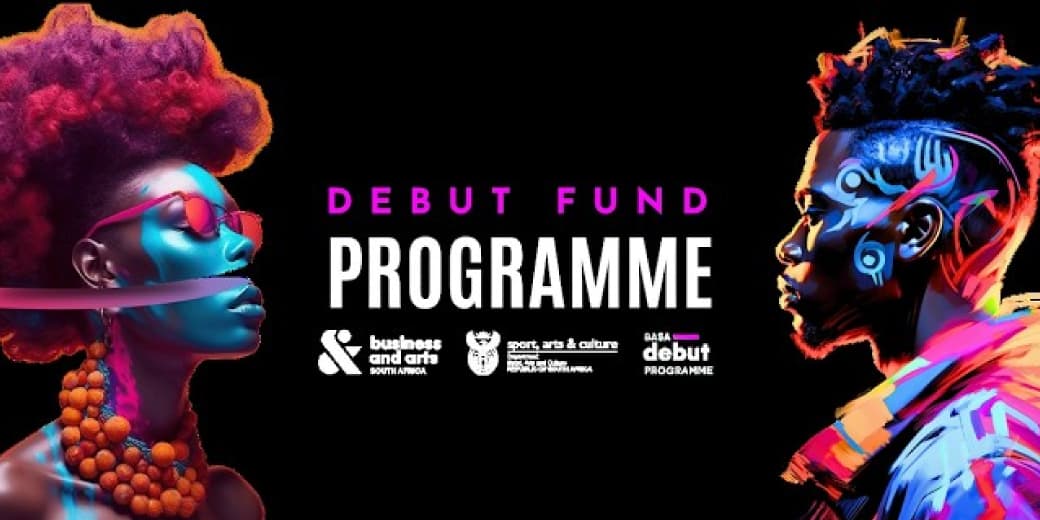
South Africa's Debut 4 fund backs AI in the creative economy
South Africa's Debut 4 programme is aimed at 50 young creative-tech entrepreneurs using AI and digital tools, with a focus on rural and peri-urban communities.
 Business
Vodacom takes majority control of Safaricom
Vodacom now controls about 55% of Safaricom after completing a $2.1 billion transaction, while Kenya's government keeps a 20% stake.