

Intel raises CPU prices, and AMD looks better for it
The increases are narrower than the headlines suggest, and that precision is the story: Intel raised prices exactly where it knew buyers would pay.
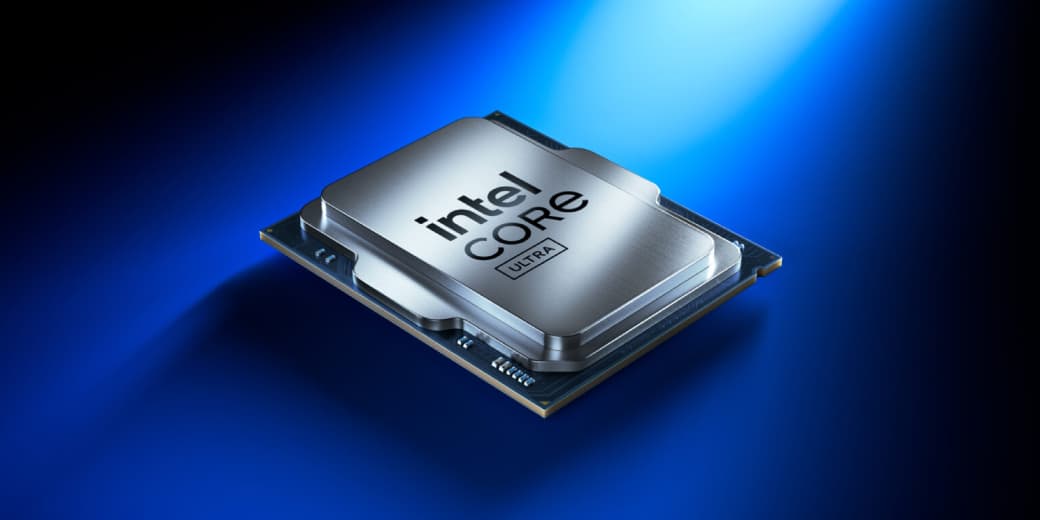
Intel has confirmed price increases on selected desktop and server processors, citing rising supply costs and demand, and the shape of those increases tells you more than the fact of them.
On the desktop side, the adjustment targets Arrow Lake-S Core Ultra 200S Plus processors introduced earlier this year, with reported increases in the region of 30 to 50 dollars per chip. The flagship Core Ultra 9 285K reportedly holds its existing price, and many entry-level parts are unchanged. The larger moves are in the data centre, where several Xeon processors have risen by well over a thousand dollars.
Read the pattern
Intel raised prices where demand is strong, street prices already exceeded official pricing, buyers are relatively insensitive to price, and inventory is tight. It left the halo flagship and budget parts alone. This is not a company passing on costs evenly. It is a company optimising margin on the segments that can absorb it.
The Xeon increases point at the same force driving the squeeze: AI. Every AI server needs host processors, and that demand has tightened supply for high-core-count chips to the point where availability itself is more valuable to buyers than discounts.
Why AMD looks better by comparison
Intel's timing is awkward. Its Core Ultra 200S Plus line already sat at a premium against AMD's competing parts, and AMD has not moved on Ryzen 9000 pricing in direct response. That leaves Intel asking more while AMD's -heavy X3D chips continue to look strong for gaming and workstation buyers who care about value.
Two caveats keep this honest. First, broader CPU price pressure is affecting both vendors, with server demand and memory costs shaping the whole market. Second, Intel is also restarting cheaper older chips for specific markets, which shows it is defending both ends of its business at once.
The Kenyan reality
For buyers here, a 30 to 50 dollar increase on a chip is never just 30 to 50 dollars. It arrives with shipping, duty, VAT, retailer margin, and exchange-rate risk. By the time a Core Ultra sits on a shelf in Nairobi, the increase has compounded.
Layer that on top of the memory price crisis squeezing the same builds, and the practical advice is simple: if you were already committed to an affected Intel platform, buying sooner may be cheaper than buying later. If you were undecided, price a full AMD X3D build and compare honestly.
The broader point is worth internalising. Consumer computing is being priced as a byproduct of an AI infrastructure boom. The chips are not more expensive only because they got better. They are more expensive because someone with a bigger budget wants the same factory.
FAQ
Which Intel CPUs went up in price?
Selected Arrow Lake-S Core Ultra 200S Plus desktop chips and several Xeon server processors rose, while some flagship and entry-level parts reportedly stayed unchanged.
Why is Intel raising prices?
Intel cites supply costs and demand, while the pattern suggests price pressure is strongest where AI and server buyers are least sensitive to increases.
Does this make AMD a better buy?
For some buyers, yes. AMD's X3D chips can look stronger on value when Intel's affected parts rise, but full platform cost still matters.
Should Kenyan PC builders wait?
Waiting may not help if memory and processor prices keep rising. Compare the full local platform price before choosing.
Sources
Intel's increases are narrow, but they show where power has moved: toward AI buyers and away from ordinary PC budgets.
Ask MAMBO
Have a plain-English question about this topic? Send it in and we may answer it in a future guide.
Ask a questionRelated reading
 Business
NVIDIA's RTX Spark wants to reinvent the Windows PC
NVIDIA's RTX Spark platform is a direct challenge to Intel and AMD in Windows PCs, built around local AI, Arm, Blackwell graphics, and huge shared memory.
 MAMBO Explains
Why old CPUs are suddenly the smart buy again
Older DDR4 platforms are back in the conversation because AI demand is squeezing memory supply and changing the real cost of a PC build.
 MAMBO Take
Kenya wants Oracle's cloud and AI expertise. It should negotiate like the data matters
Oracle and the ICT Authority are exploring deeper cooperation on government cloud, AI and certification. Kenya needs skills transfer, interoperability and enforceable data controls.