

Rwanda launches a Digital Public Infrastructure strategy
Building on its new National AI Agency, Rwanda has rolled out a Digital Public Infrastructure strategy to unify citizen services on an open, governed foundation.
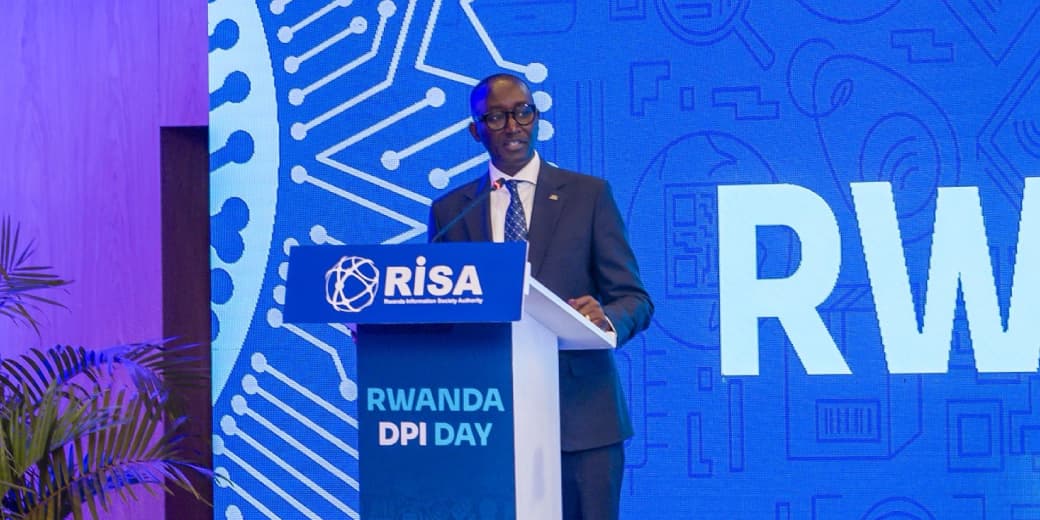
Rwanda has deployed a next-generation Digital Public Infrastructure strategy designed to unify citizen services and create a stronger data foundation for public-sector AI.
Digital Public Infrastructure sounds abstract, but it is practical. It is the shared digital plumbing of a modern state: identity, data exchange, service delivery, and trust rails that let public systems work together securely.
The strategy builds on Rwanda's wider AI governance push, including its National AI Agency work, by focusing on the foundations needed before public services can sensibly use AI at national scale.
That sequencing matters. Plenty of governments announce flashy AI projects before sorting identity, data governance, interoperability, and privacy. Rwanda's approach is more sober: build the pipes first, then put smarter services on top.
The challenge is capacity. Strategies and agencies coordinate the work, but they do not automatically produce the engineers, auditors, product teams, and civil servants needed to make the systems run well. Still, laying the foundation before chasing the demo is the right order.
FAQ
What is Digital Public Infrastructure?
It is the shared digital foundation of a state, including identity, data exchange, and service rails that let public services work together securely.
Why is Rwanda doing this now?
Rwanda needs governed data and identity systems before it can safely scale AI-powered public services across government.
Sources
Ask MAMBO
Have a plain-English question about this topic? Send it in and we may answer it in a future guide.
Ask a questionRelated reading
 Business
South Africa sets six pillars for its digital economy
South Africa is framing its digital-economy push around six priorities: subsea cables and telecoms, AI, data centres, cybersecurity, startups, and cross-border digital transformation.
 Business
South Africa's Debut 4 fund backs AI in the creative economy
South Africa's Debut 4 programme is aimed at 50 young creative-tech entrepreneurs using AI and digital tools, with a focus on rural and peri-urban communities.
 Should you care?
Claude's most powerful model is back, and the saga says a lot about who controls AI
Anthropic says Claude Fable 5 returns worldwide on July 1 after the United States lifted export controls that had forced the company to suspend its top models.